Pain tolerance in women is a topic that continues to interest both researchers and people experiencing pain in their daily lives. I have seen how pain can be influenced not only by physical causes but also by factors connected to the mind and emotions. Emotional health, stress levels, social support, past experiences, and even beliefs about pain all connect in ways that shape my own pain tolerance as a woman. In this article, I check out the psychological factors that influence pain tolerance in women and share what I’ve learned from research and personal experience.
Understanding Pain Tolerance in Women
My pain tolerance is the maximum level of pain I can handle before it becomes too much. Women often describe pain differently and may react uniquely due to both biological and psychological reasons. While hormones and nervous system function play a role, the way I think, feel, and interact with my surroundings can change how I perceive pain. These factors don’t always work separately. Instead, they often blend, making each person’s experience of pain unique.
Studies show that women typically report higher pain sensitivity than men in lab tests, but many women also handle chronic pain conditions every day. This difference is not purely biological; it’s influenced by my mind, previous experiences, cultural expectations, and support networks. For example, a study published in the Journal of Pain explains that psychological and social factors often explain much of this variation.
Major Psychological Influences on Women’s Pain Tolerance
Certain psychological influencing factors stand out when I think about how pain feels. These influences don’t act in isolation. Instead, they build on each other and interact in complicated ways.
- Emotional State: My mood at the time pain occurs really matters. Anxiety, depression, or being in a negative frame of mind can make even minor aches feel worse.
- Stress and Coping Skills: When I’m stressed or overwhelmed, my brain is more alert to pain. The ways I cope, like taking deep breaths or using mindfulness, can either lower or raise my tolerance.
- Expectations and Beliefs about Pain: If I expect something to hurt, it probably will feel more intense. When I believe pain is manageable or temporary, it seems less overwhelming.
- Past Experiences: Memories of pain shape how I respond to future pain. If previous experiences were traumatic, I might become more sensitive.
- Social Support: Being surrounded by understanding friends, family, or a support group helps lower my perception of pain. Feeling isolated tends to do the opposite.
What makes these psychological influences particularly interesting is how each factor can either add stress or act as a buffer, depending on the situation. For instance, a stressful event could make pain worse, but a supportive friend might turn things around by helping me feel more relaxed and less focused on discomfort.
How Emotions Shape the Experience of Pain
The link between emotion and pain is strong. If I am experiencing sadness, frustration, or fear, my pain threshold often drops. It’s not just a feeling; it’s a change in how my nervous system interprets pain signals. Research has found that depression and anxiety can both make pain harder to deal with and last longer (source).
I’ve noticed that after a stressful day, my tolerance for pain is noticeably lower. Techniques that improve my mood, like talking with friends, going for walks, or practicing gratitude, actually help raise my pain threshold. Focusing on emotional wellness is a practical part of managing pain. Simple acts like journaling or deep breathing can give a boost to emotional health, which in turn, affects my physical response to pain.
Stress, Coping Strategies, and Their Impact on Pain
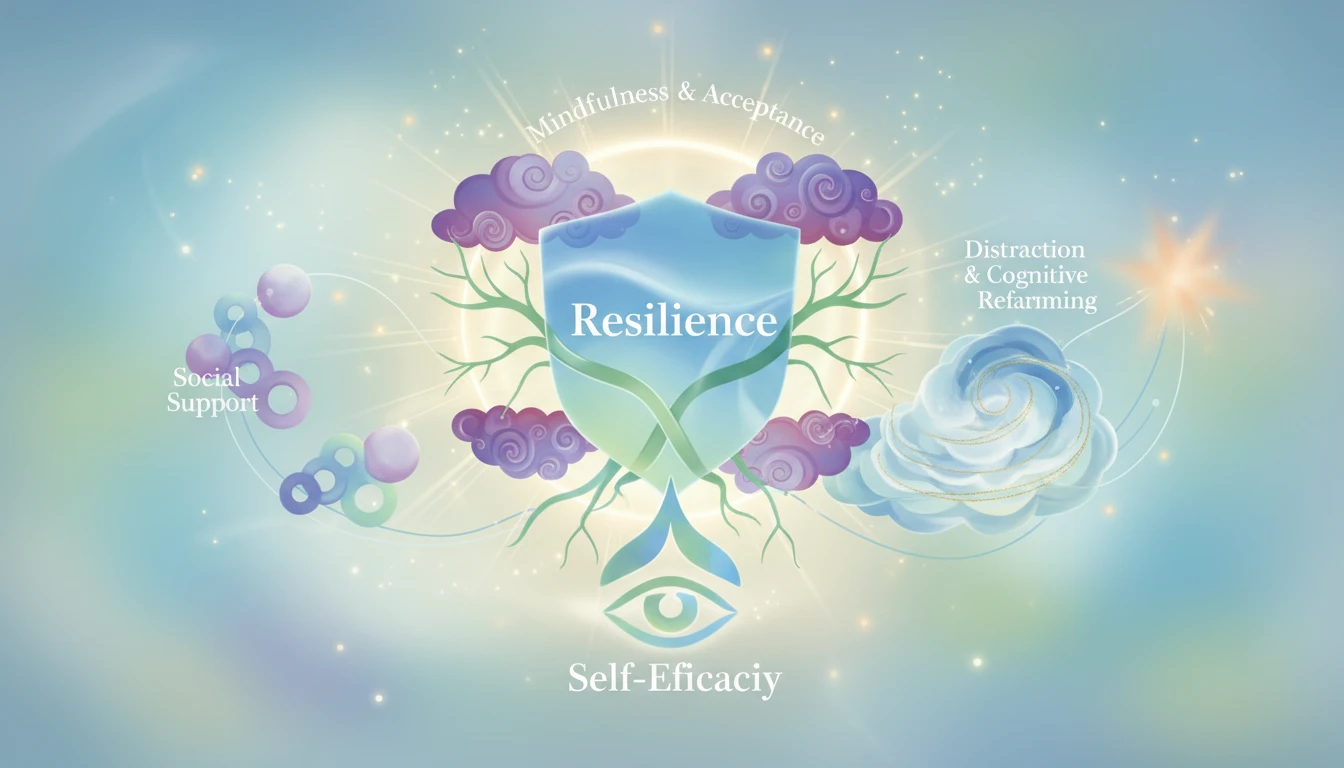
Stress acts like a volume knob, turning up the intensity of pain in my body. When my mind feels bombarded by worries, I feel aches and pains more intensely. Research shows that women who use coping strategies, like distraction techniques or guided relaxation, are better able to manage pain. Cognitive-behavioral therapy (CBT) and mindfulness meditation have been shown to help women reduce pain perception in conditions ranging from headaches to chronic pelvic pain.
From my own life, building routines that include simple coping skills, like breathing exercises or listening to calming music, makes a difference. Taking a little time each day for self-care can prevent stress from lowering my pain threshold. Sometimes, even short periods of stretching, reading, or spending time with a pet can help redirect my focus away from pain and lower my stress level.
Role of Expectations, Beliefs, and Attitudes
My expectations change how I experience pain. If I anticipate a shot at the doctor’s office will be very painful, I tend to feel it more. Changing my mindset or using positive self-talk helps lower the intensity. For example, reminding myself that pain will pass or focusing on the reason for the pain (like a vaccination) increases my ability to manage discomfort. This approach is supported by studies in psychological science (source).
Doctors and therapists sometimes use this knowledge to help women change how they experience pain by reframing beliefs. Approaching pain as a challenge instead of a punishment helps me become more resilient. Developing a positive inner dialogue and practicing acceptance can let me move forward, even when pain cannot be avoided completely.
Impact of Past Experiences with Pain
Painful memories are stored in the brain and can make me more or less sensitive in the future. If I had a painful recovery from surgery or a tough labor, I might react more intensely to new pain. Past trauma or chronic pain conditions create “pain pathways” in the brain, making it easier for pain to return or seem worse. On the other hand, when I have overcome difficult pain in the past, I sometimes feel more confident and capable of handling new challenges.
Therapies that help process past trauma, such as counseling or guided journaling, can break these cycles and help women like me build a healthier pain response. Support from professionals and loved ones can be key in breaking out of negative feedback loops created by old pain memories.
Social Factors That Influence Pain Tolerance
Support and communication change how pain feels. Being able to talk about my pain with someone I trust, or even with a healthcare provider who listens, makes it easier to cope. Social isolation, embarrassment, or fear of being judged can work in the other direction, increasing pain sensitivity.
Women often experience more empathy in medical interactions when their pain is acknowledged. In my experience, when my concerns are taken seriously, I feel less helpless and my pain feels more manageable. Open communication and feeling understood form a foundation for better health outcomes.
Gender Stereotypes and Cultural Expectations
Cultural beliefs about women and pain can shape my experience. There can be an assumption that women should be able to “tough it out,” especially around childbirth or menstrual pain. These expectations sometimes make me reluctant to speak up about pain, which affects how I process it. Conversations that break down these stereotypes make it easier for me and others to seek the care we need. Challenging old myths surrounding women’s pain can help reduce the stigma and create safer environments for open discussion.
Common Challenges for Women Managing Pain
Even with good coping skills, women encounter hurdles that affect pain tolerance. A few of the most common challenges include:
- Lack of validation: Sometimes my pain is dismissed or downplayed by others, which increases stress and makes pain feel worse.
- Unclear diagnosis: It’s really common for women to have pain that’s hard to explain or diagnose, like fibromyalgia. The uncertainty itself becomes mentally exhausting.
- Caregiver roles: Many women keep up with work, family, and social obligations even while in pain. The pressure to “do it all” leaves less time for self-care and recovery.
Managing These Barriers
Communication really matters. I learned to be honest about pain with healthcare providers, friends, and family. Keeping a pain diary also helps me notice patterns and identify triggers, which is useful for care plans. Setting boundaries, like asking for help with chores or tasks when needed, can also free up energy and help me manage pain more effectively.
Practical Ways to Increase Pain Tolerance
Building pain resilience takes time, but these steps are effective:
- Mindfulness and Meditation: Regular mindfulness practices help my brain tune out some of the “noise” that exaggerates pain.
- Building a Support System: Having people who listen and offer comfort makes a real difference in how I handle pain.
- Positive Self-Talk: Reminding myself that I can handle discomfort, even if it’s challenging, increases confidence and actual pain threshold.
- Professional Help: Cognitive therapies or support groups provide new skills and perspectives that help me manage pain better.
Regularly using these techniques brings more control to my daily routine and boosts my overall well-being. Adopting healthy sleep habits and maintaining a balanced diet can also give my body more resilience against pain. Small changes, like stretching in the morning or giving myself a break when things get intense, have concrete effects.
Real-World Examples: Pain Tolerance in Different Situations
Women handle many types of pain: acute (temporary), chronic (long lasting), physical, and emotional. For example, childbirth is often seen as a clear sign of high pain tolerance, but the way each woman manages labor depends on emotional preparation, supportive environments, and available coping tools. Other examples include painful periods, injuries from exercise, or years of dealing with migraines. Across all these cases, psychological factors play a role in helping women deal with pain successfully.
- Labor and delivery: Women often use breathing, visualization, and social support from partners or doulas to manage labor pain.
- Chronic illnesses: Support groups (online or in person) teach coping strategies for conditions like endometriosis or rheumatoid arthritis.
- Minor injuries: Expecting a pain to fade and using relaxation strategies often makes these easier to withstand.
Beyond these, there are countless stories of women drawing on self-compassion and creativity to manage pain—whether through art, writing, music, or gentle exercise tailored to their abilities. Each approach is personal, and the psychological impact of feeling in control can’t be understated.
Frequently Asked Questions
Question: Does mindset really change how pain feels in women?
Answer: Yes. My mindset and beliefs about pain make a difference in how strong the pain feels and how long it lasts. Taking active steps to improve mood and lower stress helps many women. Positive thinking and open conversation about pain can sometimes turn overwhelming discomfort into something more manageable.
Question: Can social support really help with pain tolerance?
Answer: Social support is one of the most helpful psychological tools out there. People who feel cared for and understood often report lower pain levels and better overall coping skills. Even brief check-ins with friends or family can work wonders.
Question: What should I do if pain feels overwhelming?
Answer: If pain feels too much to handle, it’s important to talk to a healthcare provider. No one should feel alone with their pain or feel embarrassed to seek help, regardless of the cause. Don’t hesitate to reach out; early support can make a big difference.
Building My Own Resilience
Pain is a tricky thing, shaped by biology, experience, and most of all, the mind. Checking out psychological factors gives me tools to handle pain with more confidence. Finding emotional support, using healthy coping skills, and challenging negative beliefs about pain raise my tolerance and improve my quality of life. While some days feel easier than others, building resilience is always possible with the right approaches and mindsets in place. The more I learn about how to manage pain, the more control I have over my well-being—and the more prepared I am for whatever comes next.