Pain is a super interesting topic, especially when you get curious about why we feel it and how our brains turn a stubbed toe or a headache into that very real feeling of “ouch.” The science behind it—neurobiology of pain perception—strikes this balance between biology, psychology, medicine, and even technology. Tracking down the right resources can really open up how you see your own experiences, and help you appreciate the complexity of what’s happening every time you feel pain. I’ve pulled together a bunch of learning tools, including books, websites, online courses, and more that I think will make your adventure into this topic both approachable and pretty enlightening.
Understanding the Basics of Pain Perception
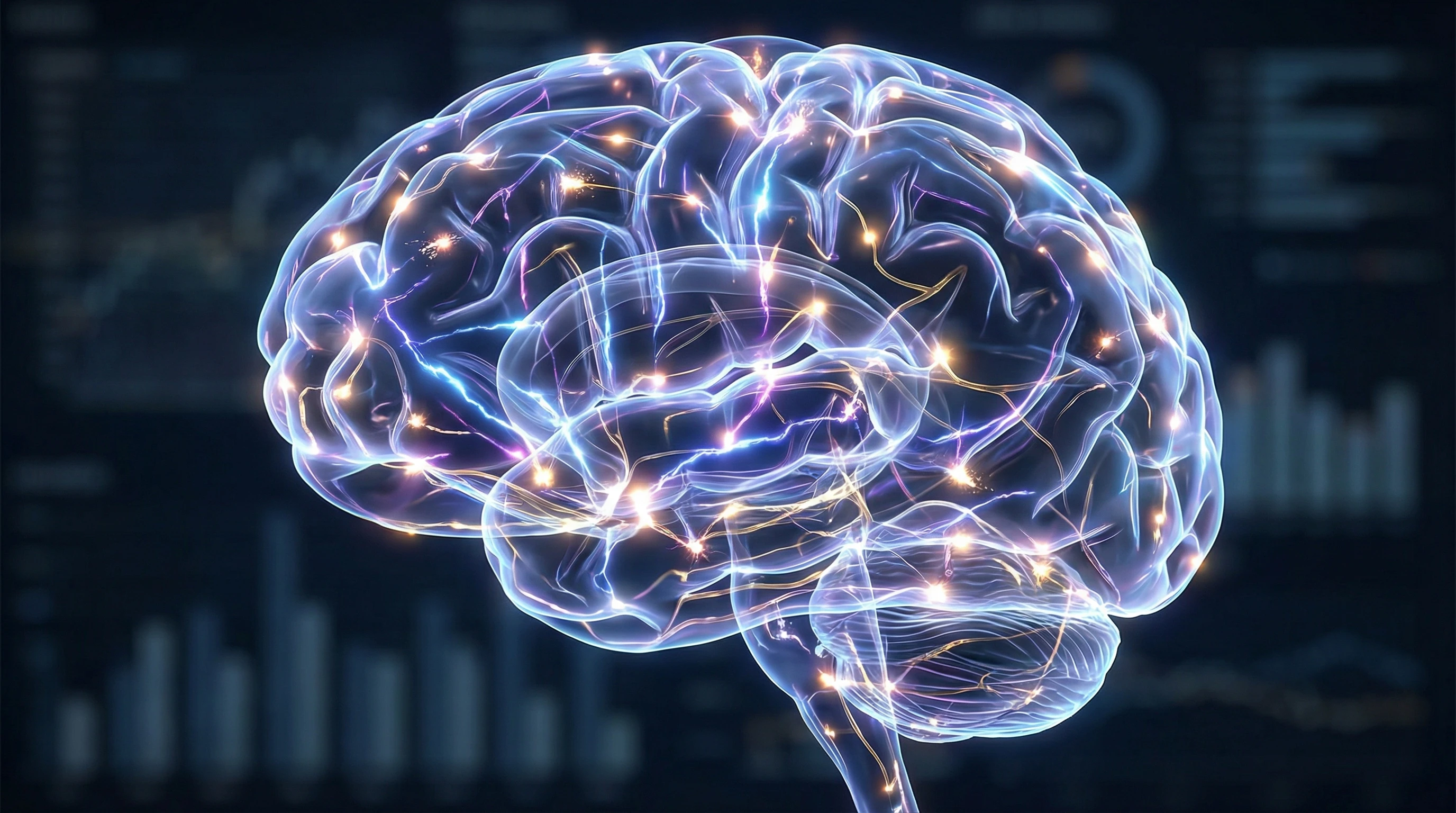
Pain isn’t just about a physical sensation; it’s a complex process that starts with nerve endings and leads all the way to the brain, where meaning and emotion get involved. Gaining even a bit of background in these fundamentals helps make all the more advanced stuff click into place.
If you’re just starting out, it’s helpful to know a few foundation terms and ideas:
- Nociceptors: These are the nerve endings in your body that notice potentially harmful stimuli like heat or sharp objects and send those signals toward your central nervous system.
- Peripheral and Central Pathways: The pain signal travels through the spinal cord and eventually to the brain, which then decides how to interpret and react to it.
- Modulators: Things like mood, attention, and past experiences can dial your pain experience up or down, so it’s never just a simple reflection of injury.
Introductory guides on the neurobiology of pain are worth checking out at ScienceDirect’s Pain Perception section and the International Association for the Study of Pain (IASP) Resources. Both are readable even if you’re new to neuroscience.
Top Books and Textbooks For Deeper Learning
There are some seriously good books if you like learning by reading and want to dig deeper, or even just want a good reference for questions down the road. Here’s my shortlist:
- “Pain: The Science of Suffering” by Patrick Wall; This one gives a broad yet understandable jump into pain biology and how it affects our lives, written by a true pioneer in pain research.
- “Textbook of Pain” (by McMahon, Koltzenburg, Tracey, and Turk); This is a bit more of a heavy textbook for those who want serious depth. It’s often recommended for medical and graduate students but is surprisingly engaging with lots of color diagrams and case examples.
- “Why We Hurt: The Natural History of Pain” by Frank T. Vertosick Jr.; For those drawn toward stories and personal narratives, this book connects the biology with real-life experiences.
I’ve often found that pairing a readable book with a more detailrich textbook is a good way to both get the big picture and have a resource for when you want to look up a tricky term or diagram. You can alternate between them for a more wellrounded approach.
For a little added depth, you might also stumble upon classics like “The Challenge of Pain” by Ronald Melzack and Patrick Wall, which has influenced many modern ideas of pain science. Biographies or memoirs from patients, such as “Brain on Fire” by Susannah Cahalan, can further give a boost to your understanding by showing pain from the inside out.
Online Courses and Lectures That Make Neurobiology Click
If you learn better by seeing things in action and following along with a guided structure, online courses are really helpful. Here are a few favorites:
- Coursera: Understanding the Brain: The Neurobiology of Everyday Life; While broader than just pain, this University of Chicago course covers the fundamentals with clear explanations and examples. Pain pathways are included as a unit. You can check it out here.
- Khan Academy: Touch and Pain – Sensory Perception Section; Short, accessible video lessons that break down pain pathways with memorable graphics. Find the section here.
- TED Talks: “The Mystery of Chronic Pain” by Elliot Krane, MD; This is a super digestible and engaging introduction to why pain sometimes lingers. Watch it on TED.
If you prefer a more openended format, YouTube channels like MIT OpenCourseWare and Neuroscientifically Challenged have helpful playlists too. These visual and audio resources provide more than just explanations; they tell stories and share research that make the science stick in your mind.
Websites, Podcasts, and Visual Resources
Sifting through technical journals or textbooks every time you have a question can be a slog. These resources make learning way more accessible and sometimes even a little fun:
- Neuroscientifically Challenged; A blog and video site with bite-sized explanations of neuroscience concepts, including pain. Find it here.
- IASP Pain Research Forum; Regularly updated with news, interviews, research summaries, and webinars covering everything pain-related. Check out the forum here.
- Podcasts: PainWeek Podcasts and This Week in Neurobiology; Good for listening on the go, and the hosts explain technical details using plain language.
Infographics and explainer animations can help you nail down concepts like the pain pathway, opioid mechanisms, or differences between acute and chronic pain. Try searching YouTube for “pain pathways animation”; you’ll find a lot of creative takes on the topic, which are great for visual learners.
It can also help to keep a visual dictionary or quick reference guide for key terms and processes—many major medical websites now provide free illustrated resources to make tough topics easier to grasp.
Key Concepts To Master For Pain Neurobiology
To make sense of all the resources out there, here are some core concepts you’ll keep running into:
- Neuropathic vs Nociceptive Pain: Knowing the difference makes it easier to understand why someone’s chronic pain doesn’t respond to painkillers aimed at injuries. Neuropathic pain comes from nerves themselves, while nociceptive pain is about tissue injury.
- Gate Control Theory: This model explains how the spinal cord and brain can “gate” pain messages, helping explain why rubbing a bumped elbow seems to reduce pain.
- Descending Modulation: The brain can send signals down the spinal cord that dampen pain, which is the science behind mindfulness, placebo effects, and some pain therapies.
- Central Sensitization: Sometimes, the pain system gets more sensitive and starts firing off even if the original injury is gone, which is really important in chronic pain and is an area where new research continues to grow fast.
Grasping these basics helps as you move from beginner resources to journal articles or case studies. Each concept will pop up in clinical and research discussions, so spending time learning what they mean is a good investment for anyone interested in pain science.
Things To Watch Out For When Stepping Through Pain Science
Pain science brings its own challenges, and it’s helpful to know about them going in:
- Scientific Jargon: Even great resources sometimes toss around tough terms like “hyperalgesia” or “nociceptive transduction.” Keeping a neuroscience glossary or using an online medical dictionary can help a lot.
- Complexity vs. Simplicity: Pain is never just physical or just mental; the two sides weave together, so easy answers are rare and sometimes misleading.
- Changing Scientific Theories: The field moves quickly; what was described one way ten years ago might be framed differently now. I try to cross-check anything that feels out of step or too simple.
Getting comfortable with a bit of uncertainty, and balancing trusted resources, keeps your learning both honest and interesting, especially as new discoveries keep coming in. Don’t hesitate to ask professionals or educators when something feels unclear—they can often fill in gaps or provide current context.
Common Problems Learners Face
Running into blocks is normal with complicated science:
- Medical journal articles can feel overwhelming at first. Try starting with their abstracts or summaries, and using study guides like NCBI Bookshelf for perspective.
- Conflicting advice or studies pop up a lot. Look for consensus in textbook overviews or meta-analyses, not one-off papers.
- Avoiding burnout is important. Switching between formats (videos, graphics, reading) helps keep things fresh and prevents learning from feeling like a chore. Take short breaks, and reward yourself for milestones—small steps lead to big understanding.
Best Uses of Pain Neurobiology Knowledge
Knowing how pain works isn’t just for scientists or doctors; it’s helpful in daily life, too. Here are some practical ways knowing the neurobiology of pain can come in handy:
- Understanding Your Own Pain: Knowing what’s happening in your body can help make treatment decisions, manage expectations, and feel more in control during tough flare-ups.
- Supporting Friends or Family: If someone you know lives with chronic pain, even a basic grasp of neurobiology can give a boost to empathy and support.
- Reading News and Research Critically: With so much hype around “pain breakthroughs,” a bit of background lets you notice when claims are too good to be true, and empowers you to ask better questions.
Beyond personal uses, pain science knowledge also applies if you work in healthcare, research, or patient advocacy. Staying sharp in these core ideas can help smooth the way for conversations with clients, teammates, or when reading up on the latest treatments.
Frequently Asked Questions
Here are a few questions that always come up as folks start learning about pain perception:
Question: Is all pain in the body the same kind of signal?
Answer: Not always. Tissue injury, nerve damage, and even some psychological factors trigger different pain pathways, which is why headaches, burns, and nerve pain can feel so different. Each has a different root and often needs a unique approach.
Question: Can pain be “all in your head”?
Answer: Every pain experience gets processed by the brain, so technically all pain lives “in your head” at some level. That doesn’t mean it isn’t real. Biological, emotional, and environmental triggers blend together to create real and unique experiences for everyone. The brain rarely acts alone; context, stress, attention, and even beliefs play a part.
Question: Are there new pain treatments on the horizon?
Answer: Absolutely. With advances in understanding how pain signals are transmitted and modulated, researchers are working on new drugs, gene therapies, and even non-drug approaches. Medical news sites like Medical News Today are a good way to track updates. Techniques like transcranial magnetic stimulation and wearable biofeedback devices show promise as well.
Final Thoughts: Exploring, Asking, and Staying Curious
Digging into the neurobiology of pain perception in humans takes some patience, a willingness to look up new words, and maybe a few cups of coffee. Using the resources I’ve shared can really give a boost to your confidence and make this complex world a bit more understandable. The more you know about your own body and mind, the easier it becomes to talk about your experiences and make well-informed choices; whether you’re working in health, taking care of yourself, or just feeding that curiosity.
Stay curious and keep exploring, because the science of pain has so much left to stumble upon!