Pain sensitivity can really ramp up after an injury. I’ve noticed this in myself and heard so many people mention it too; what was once just a bruise starts feeling like someone pressed a “pain amplifier” button. It’s not just all in your head, either. There are real changes happening in the body and in the brain that explain why things suddenly hurt a lot more than before.
Understanding Pain Sensitivity After Injury
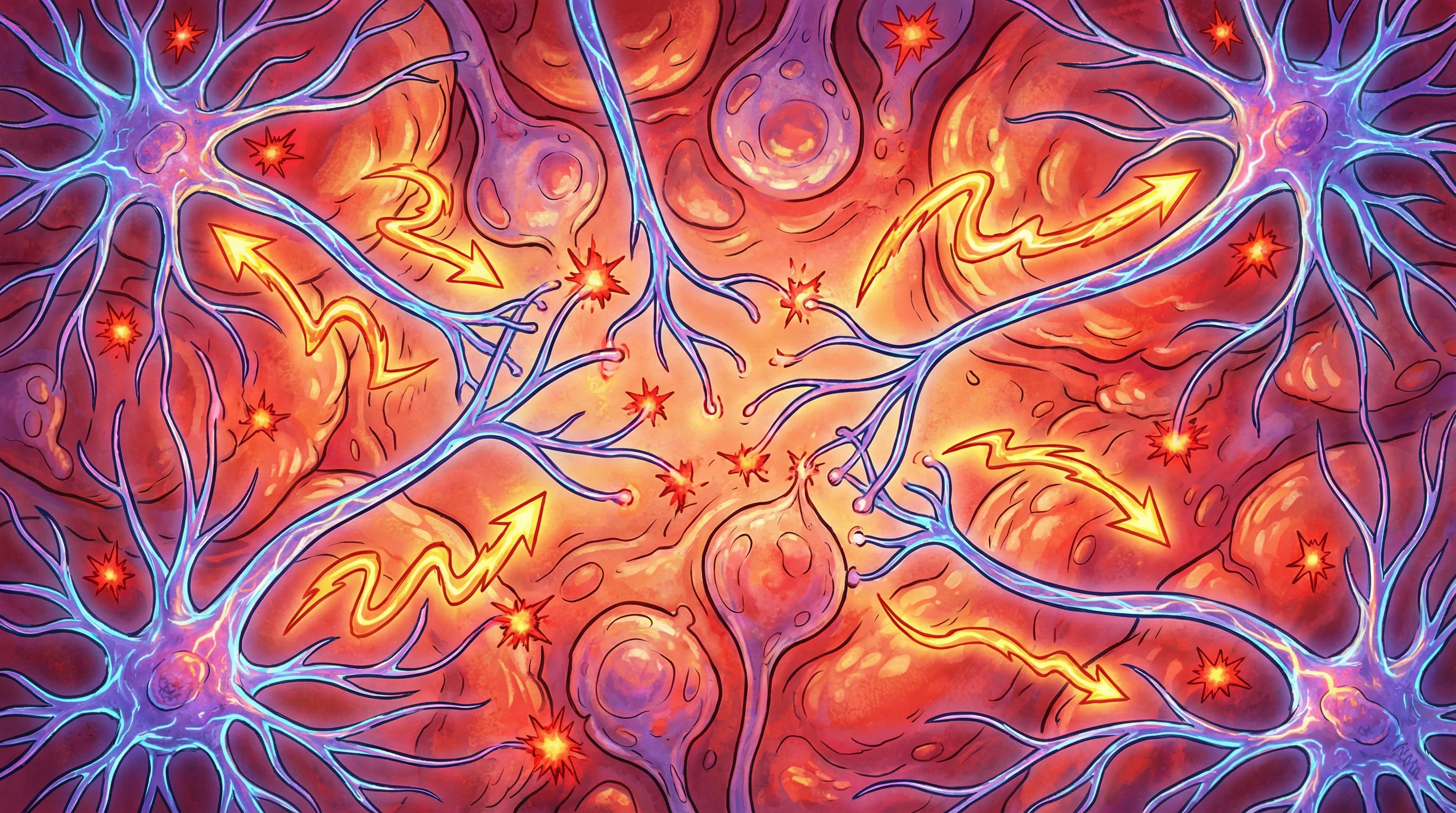
Increased pain sensitivity after injury is called hyperalgesia. This is the technical way of saying your body is feeling pain more strongly than it did before. Hyperalgesia is super common after cuts, sprains, bruises, and surgeries. It’s actually the body’s way of trying to protect you, but sometimes it ends up feeling more like a curse than a helpful warning system.
Here’s what’s going on: after an injury, your nerves and surrounding tissue react in a way that makes the whole area extra sensitive. Even a gentle touch can set off pain signals that weren’t so intense or noticeable before. This pain can be sharp, burning, or even throbbing. In some people, this sensitivity might stick around longer than expected (and feel ridiculously over the top!).
The Science Behind Increased Pain Sensitivity
When I read about why this happens, I realized pain sensitivity isn’t just about what you feel at the injury site. It has a lot to do with the brain, spinal cord, and a bunch of chemical messengers running through your body. Here’s a breakdown that makes it all a bit more understandable:
- Inflammation: After an injury, your body sends out immune cells to help with healing. These cells release substances, like prostaglandins and cytokines, that make nerve endings way more sensitive.
- Nerve Changes: The actual nerves in the injured area can change how they work. They start sending stronger signals every time they’re triggered, almost like cranking the volume way up.
- Central Sensitization: This is when the nerves in your spinal cord and brain get extra jumpy. The pain signals from the injury site keep firing; over time, even light touch or low-pressure sensations can feel unpleasant.
- Brain’s Role: Your brain processes pain differently after an injury. Some brain areas become more active, and your emotional response to pain can also affect how intensely you feel it.
This stuff all sounds pretty technical, but the main point is there are real biological switches happening; it’s not just a psychological reaction, though fear and stress can definitely make things worse.
Common Situations Where Pain Sensitivity Rises
I’ve noticed that this isn’t limited to one type of injury. It can happen to anyone, and it doesn’t matter if it’s a stubbed toe or a broken bone. Some spots where I see this crank up include:
- Sprained Ankles or Wrists: That area can feel sore and also a lot more touchy for a while; moving it or even having something brush against it might feel way more painful than you’d expect.
- Surgery Sites: After surgery, not just the incision, but the skin and tissue nearby, can get really sensitive. Even removing a bandage can sting.
- Minor Cuts and Bruises: Ever poke a bruise expecting a dull ache but instead get a strong burst of pain? That’s increased sensitivity at work.
- Chronic Injuries: Sometimes, repeated injuries (like in sports or overuse) keep the entire area extra sensitive for weeks or even months.
Why Does the Body Turn Up the Pain?
This is one of those “nature thinks it’s helping” situations. By making you more sensitive, your body is trying to get you to protect the hurt spot. You’ll avoid putting weight on a sprained ankle, for example, because it hurts. In theory, this should help you heal faster by preventing further damage.
But the body doesn’t always get it exactly right. Sometimes the increased pain sticks around after the tissue is healed, making things way more uncomfortable than they need to be. That can make everyday stuff extra annoying, like wearing shoes after a foot injury or carrying a bag on a bruised shoulder.
Things That Can Affect Pain Sensitivity After Injury
- Age: Older adults sometimes heal more slowly, which means sensitivity can last longer.
- Genes: Some people have genetic differences that make their nerves or brain more prone to feeling pain extra strongly.
- Stress and Emotions: Anxiety and stress raise pain sensitivity, so if you’re already tense after an accident, everything feels even more intense.
- Sleep: Sleep deprivation really boosts how strongly pain is felt. Good sleep helps your body and brain reset its pain sensitivity a bit.
Managing Increased Pain Sensitivity
There are a few approaches I’ve heard that can help dial down the pain after injury:
- Ice and Elevation: Reducing inflammation means less chemical irritation to the nerves, so ice packs and keeping the area raised can be helpful in the first day or two.
- Pain Relievers: Over the counter medications, like ibuprofen or acetaminophen, can reduce some of the chemical soup causing sensitivity. Always follow directions or talk with your doctor, of course.
- Gentle Movement: As things calm down, slowly moving the area can keep nerves from getting even more sensitive. Going too hard, too fast, won’t help, but gentle stretches or guided movement are useful.
- Mind Body Techniques: Relaxation techniques (like meditation or deep breathing) have shown promise in lowering pain sensitivity by helping the brain chill out a bit.
If pain sensitivity gets really out of hand or sticks around for months, it’s worth talking with a healthcare professional about next steps. Physical therapists and pain management specialists see this a lot; they’ve got some smart tools to help.
Myths About Pain Sensitivity
A couple of myths can really mess with your expectations. I’ve heard people say that all pain means “something is wrong,” but after an injury, the nerves can still fire even when healing is moving along fine. Also, there’s the myth that once you’re sensitive, you’ll always be sensitive. Most people actually see improvement; nerves usually settle down as your body heals, especially if you’re active in your recovery.
How Pain Sensitivity Shows Up in Daily Life
This is the stuff I think about when I see people limping, favoring a wrist, or even wearing loose clothing after an injury. Little things—a tap on the arm, stretching, or carrying groceries—can feel far more intense. If you’re dealing with this, you’re not imagining it, and you’re definitely not alone.
For people with physically demanding jobs or hobbies, pain sensitivity can make it hard to do even simple tasks. Typing, driving, or even grooming could become challenging until healing sets in. Some folks find themselves extra cautious in daily routines, taking steps to protect the sensitive area, or planning their day to avoid pain triggers. Understanding that this reaction is a normal part of healing makes it easier to be patient with yourself during the process.
Tips for Coping With Heightened Pain Sensitivity
- Track Your Progress: Writing down what hurts and when can help spot patterns and give you some control.
- Stay Distracted: Keeping busy with something enjoyable can actually dial down pain signals in the brain a bit. I find music, TV, or light conversation takes the edge off.
- Use Soft Materials: Comfy clothes, soft padding, or a gentle grip can all help soothe irritated skin or tissue.
- Don’t Rush Recovery: Pushing too hard out of frustration can actually set things back. I try to remind myself to make steady, small improvements.
- Connect With Others: Talking to people who’ve been through similar experiences can help ease worries and provide useful tips for handling lingering sensitivity.
Real World Example
A friend of mine sprained his ankle and was shocked at how even a bedsheet brushing his foot at night made him wince. He thought something must be seriously wrong, but his doctor explained that the nerves were simply on high alert from the injury. With some time, gentle rehab, and lots of patience, the sensitivity faded away. This is super common and a pretty standard part of the healing process.
Frequently Asked Questions
Why is my pain worse a few days after an injury?
Inflammation builds in the first couple of days and the body’s repair crew sends more help to the area, so nerves are especially touchy early on. Pain often peaks before it starts to fade.
Is it normal for light touch to hurt after an injury?
Yes, hypersensitivity to even gentle touch (allodynia) can happen. It usually gets better as healing continues.
Can I do anything to stop the hypersensitivity?
Managing inflammation, getting good sleep, and gradually restoring movement help. Working with a clinician if sensitivity lasts is a smart move.
Key Takeaways
Pain sensitivity jumps after an injury, thanks to changes in your body, nerves, and brain. The body’s just trying to protect you, even if it sometimes overdoes it. Paying attention to comfort, rest, gentle rehab, and lifestyle factors helps most people get back on track over time. If pain sensitivity sticks around or holds you back, checking in with a pro can help find better solutions.