Stress has a sneaky way of making everything feel worse, and pain is no exception. I’ve always noticed that when I’m wound up or anxious, even a small ache or twinge can turn into something that feels a whole lot bigger. This isn’t just in my head; science actually shows that stress does boost how we experience pain in the body. If you’ve ever wondered why your backache or headache ramps up in the middle of a tough week, you’re definitely not alone. Let’s dig into how and why stress can dial up pain, and what you can actually do about it.
How Stress Cranks Up Your Body’s Sensitivity to Pain
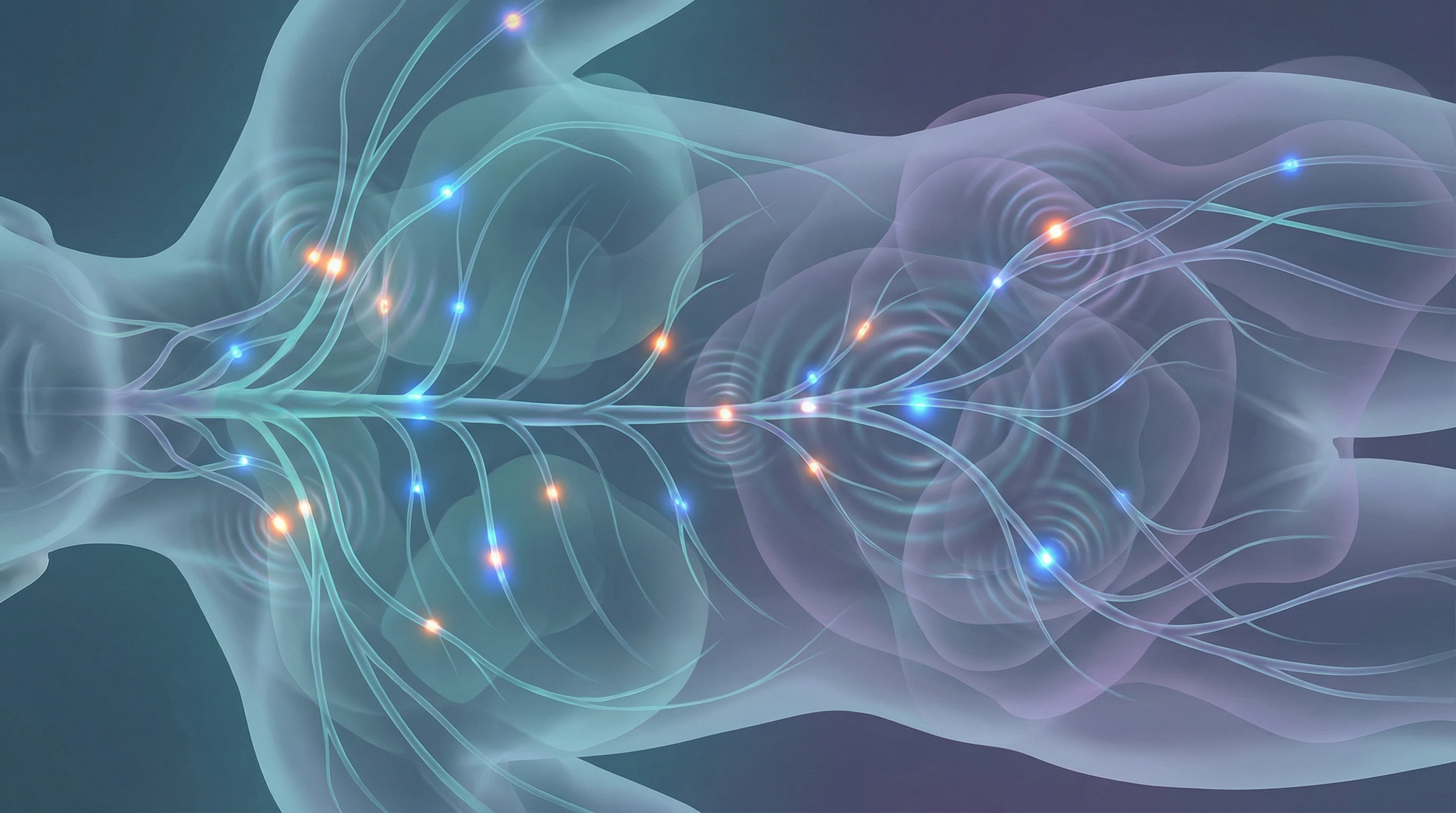
Stress is basically the body’s natural response to anything threatening, overwhelming, or even just new. When something stressful pops up, my brain and body throw on their metaphorical armor, pumping out hormones like cortisol and adrenaline. These chemicals are designed to prep us for fight or flight, but they also end up affecting how pain signals are processed.
What actually happens is that stress intensifies the way our nervous system transmits pain signals. Pain comes from nerves firing in response to tissue damage or discomfort, but the real magic (or mayhem) happens in the brain. When stress chemicals are swirling, the pain signals get amplified before they even reach my conscious awareness. That’s why, when I’m having a rough day, even a mild headache or muscle ache can suddenly feel really intense.
Researchers call this process “central sensitization.” It’s like the pain dial in your brain gets turned up, so you end up feeling more uncomfortable than you would if you were relaxed. The more stressed out I am, the easier it is for even a tiny trigger to feel like a big problem.
Breaking Down the Science: Brain Pathways and Stress Hormones
Understanding why stress makes pain worse starts with a look at how nerves work. My body has a network of tiny pain sensors, called nociceptors, spread all over. When something hurts, like when I stub my toe, these sensors send a signal up to my spine and into my brain. There, the brain decides how serious the pain is, and how much attention it deserves.
Now add stress to the mix. When stress hormones kick in, they don’t just make my heart race; they actually affect how the nerves work. High cortisol and adrenaline tell the nerves to react more quickly and more strongly to pain triggers.
This process isn’t random. In stressful situations, your body is trying to make sure you notice and respond to anything that might be dangerous. If I was running from a bear, feeling extra sensitive to injury would actually be really helpful. But in everyday life, this system kind of backfires. Instead of keeping pain at bay, stress ends up making every ache feel more intense.
A specific region in the brain, called the amygdala, goes on high alert during stress, sending danger signals everywhere. The amygdala’s job is to help me pick up on threats, but it also unwittingly boosts how I feel pain. At the same time, another part of the brain called the prefrontal cortex— which normally helps calm things down— becomes overwhelmed or less active, so it can’t do its usual job of gatekeeping those pain sensations (source).
Common Situations When Stress Makes Pain Worse
This whole body-brain connection plays out in some pretty familiar ways. Here are a few types of pain that stress seems to supercharge:
- Headaches and Migraines: I’ve learned that stress is one of the most common triggers for tension headaches and migraines. What might start as a dull ache quickly intensifies when I’m swamped at work or dealing with tough news.
- Back and Neck Pain: Stress often makes muscles tense and tight, which can turn mild soreness into nagging pain. I always notice my shoulders creeping up toward my ears when I’m anxious.
- Stomach Pain or Digestive Discomfort: There’s a reason people talk about “butterflies” or “knots” in their stomach. The gut is packed with nerves and responds fast to stress, sometimes with cramping, nausea, or worsening chronic digestive pain.
- Chronic Pain Conditions: For people living with ongoing pain problems (like fibromyalgia or arthritis), even everyday stressors can quickly make things worse.
There’s a lot of solid evidence showing that people with chronic pain conditions report their pain gets sharper and harder to handle during stressful periods. It’s not just a feeling. Pain scales and journal studies back this effect up (source).
Why Does Stress Affect Everyone Differently?
Not everyone reacts to stress exactly the same way. I’ve seen some people shrug off pressure with barely a change in how they feel, while for others, even small stressors trigger big pain flares. There are a few reasons why this happens:
- Genetics: Everyone’s body chemistry and pain sensitivity are a bit different from birth.
- Past Experiences: If you’ve had a history of trauma or chronic stress, your body might be quicker to jump to “danger mode,” heightening pain more easily.
- Supporting Strategies: Having strong coping skills, reliable relationships, or personal practices like yoga or mindfulness tends to make stress less likely to overwhelm your pain system.
Research even suggests that a strong support network or hobbies that chill you out can actually buffer you against rising pain intensity when life gets tough (source).
Things That Make Stress-Related Pain Amplification Worse
A few factors can make this “pain amplification” more noticeable or harder to manage:
- Lack of Sleep: I’ve noticed pain feels worse after a bad night’s sleep, and there’s a simple reason. Not only does fatigue ramp up stress, but it also lowers your pain threshold.
- Poor Diet: Eating junk food, too much caffeine, or skipping meals can trigger stress reactions, making your body more sensitive to discomfort.
- Not Moving Enough: Lack of movement stiffens muscles and worsens stress. Even a short walk or some gentle stretching can make a real difference.
- Chronic Worry: Overthinking or being stuck in a cycle of anxiety can feed back into the body, keeping both tension and pain levels high.
Understanding these patterns helped me figure out what to tweak in my daily routine to keep pain from stealing the show when I’m stressed out. For instance, now when I spot myself skipping meals or staying glued to my computer, I try to get up, eat a snack, or take a 10-minute stretch break. These tiny habits help smooth the way when pain tries to muscle in.
Practical Strategies to Handle Stress and Reduce Pain Intensity
Here are some things I’ve found really helpful when stress is making pain worse. They don’t require a full lifestyle overhaul, either. Just some doable tweaks.
- Breathing Exercises: Deep, slow breathing convinces your nervous system it’s time to relax and stops the stress-pain feedback loop. Even trying a few rounds of 4-7-8 breathing can take the edge off.
- Mindfulness and Meditation: Even just 5 or 10 minutes of mindfulness meditation lowers stress hormones and helps the pain signals quiet down. There are lots of apps and YouTube videos for guided meditation if you want to try it.
- Moving Your Body: Gentle stretching, walking, or yoga all help your body let go of tension and pump out endorphins, the good chemicals that help fight pain naturally.
- Healthy Sleep Habits: Keeping a steady sleep routine helps your brain process both stress and pain more calmly. I try to wind down with a book instead of scrolling my phone before bed.
- Reaching Out: Sometimes just talking through challenges with friends or a professional can dial down both stress and pain. Support really does make a difference.
A combination of these approaches tends to work better than relying on just one. Mixing in a bit of movement and calm, plus healthy food and social support, can actively dial down both stress and pain. For more ideas, the CDC offers some simple tips for handling stress that pair well with pain management. Building in these habits daily sets up a buffer for when life gets hectic and pain wants to crash the party.
Real-World Examples: How I See Stress-Pain Connections Show Up
I’ve seen plenty of everyday scenarios where stress turns up the pain dial:
- Long Workdays: After a day of sitting tense at a desk and racing to hit deadlines, I notice my lower back and shoulders ache way more than when I’m relaxed.
- Family Stress: Arguments or emotional tension often end with a headache or stomach issues, almost like my body needs an outlet for the mental load.
- Major Life Events: When big stress hits, like moving, losing a job, or dealing with loss, even old injuries can start throbbing again.
Recognizing these patterns helps me make better choices, like pausing to stretch, taking a breathing break, or making sure I eat enough during the day instead of running on caffeine. But also, by being aware, I don’t beat myself up when pain gets worse—I can just check in, do something kind for myself, and know it’ll pass.
Frequently Asked Questions
Here are some common questions about stress and pain:
Question: If my pain gets worse during stress, does it mean something is wrong?
Answer: Usually, pain that ramps up with stress doesn’t signal new or different physical damage. It’s the nervous system reacting strongly. If pain changes a lot, lasts longer than usual, or worries you, getting it checked out by a doctor is always a safe bet.
Question: Are there medications that help with stress-related pain?
Answer: Some people try medications that target anxiety or chronic pain, but lifestyle adjustments, like more movement and less caffeine, work really well for many folks. Chatting with a healthcare provider can help find the right combo for your needs.
Question: Can stress ever help reduce pain?
Answer: In very rare cases, a major crisis releases hormones that temporarily block pain, like when an athlete gets hurt but doesn’t feel it until after the game. But for everyday stress, pain usually gets worse, not better.
Wrapping Up: Why Paying Attention to Stress Matters for Pain
Understanding how stress and pain team up is pretty handy for managing your health. By taking steps to chill out those stress signals, you can often turn down the pain, too. It’s worth checking out a few strategies and figuring out what mix works best for your body and your life. Since there’s no single fix for everyone, a little experimenting and self-kindness can go a long way toward making tough days feel a lot more doable. If you keep checking in with yourself and use what you learn, you might just find that those aches and pains give you less trouble, no matter how wild life gets.