Tracking chronic pain over time has always been tricky because pain can change so much throughout the day. I used to rely on paper pain diaries and clinic appointments, but those methods often missed important moments when my pain levels would go up or down. Now, real-time monitoring with wearable sensors offers a better way to understand how pain moves and shifts, allowing us to track those changes with more clarity.
How Wearable Sensors Are Changing Chronic Pain Management
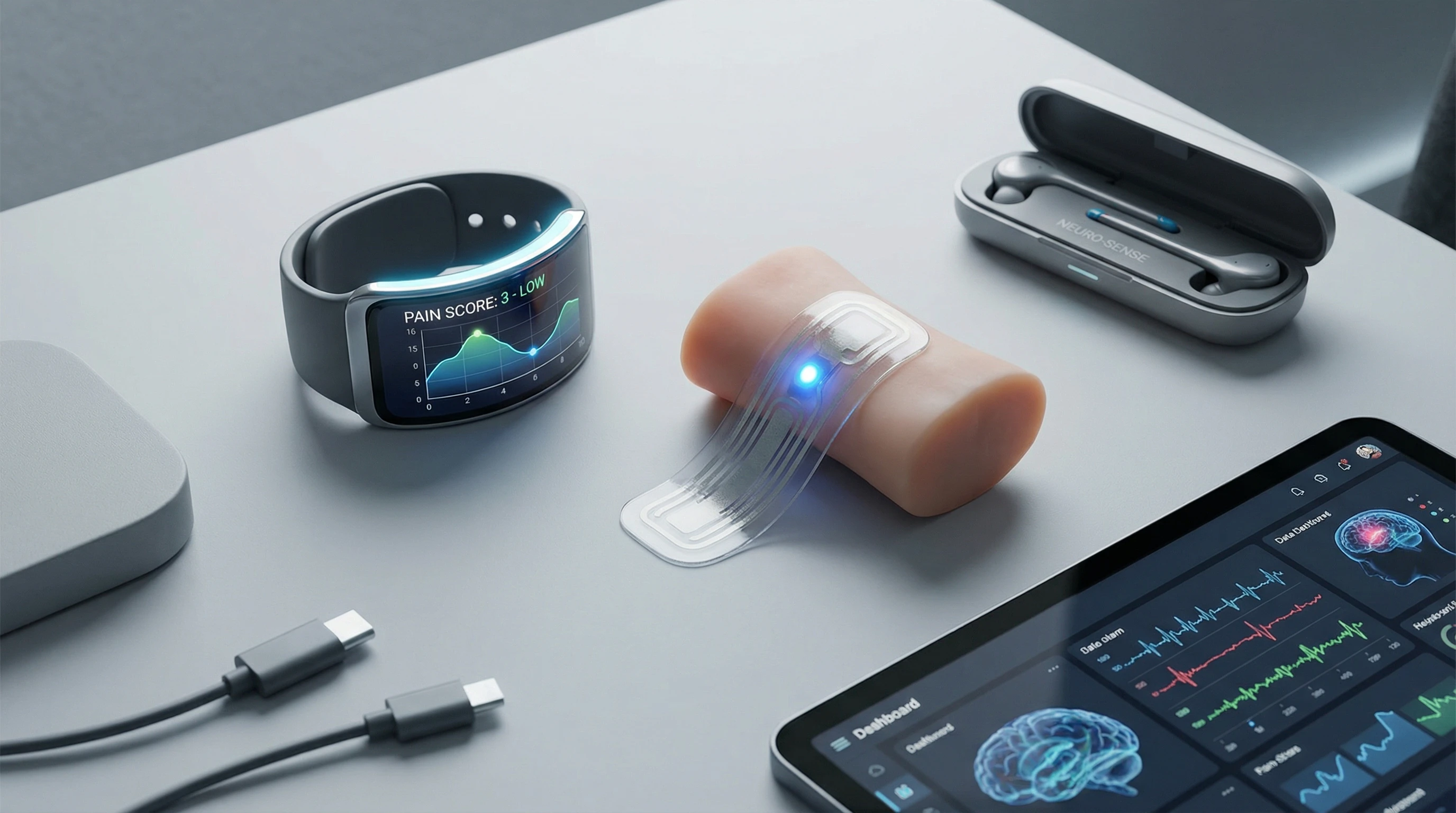
Wearable sensors have become popular for tracking body data in real time. They can monitor heart rate, skin temperature, movement, and even subtle changes in the body that often relate to pain. I find that wearable sensors are easy to use and don’t get in the way of daily activities. Some of the most common types include wristbands, patches, and smart textiles.
Chronic pain affects about 20% of people worldwide, according to the World Health Organization. Many of us find that pain doesn’t stay the same all day. It can come and go, spike at certain times, or change based on movement, stress, or sleep. Traditional clinic visits or self-reported diaries never captured my pain bands as accurately as I wanted. Wearable technology has begun to fill in those gaps, providing detailed data throughout the entire day and night.
Researchers and doctors are using data from wearables to spot patterns and develop more personal treatments for people struggling with persistent pain. Integrating these sensors into pain care is mixing up the approach that clinicians and patients use for long-term pain management.

What Real-Time Pain Monitoring Involves
Real-time monitoring with wearables means collecting and analyzing data about your body as you move through each day. Here’s what you need to know if you’re new to this technology:
- Continuous Data Capture: Sensors constantly gather information, offering a minute-by-minute view of pain-related body changes.
- Multimodal Tracking: Devices often measure several things at once, such as movement, skin conductivity, and heart rate, so you can see which changes go with pain.
- Alerts and Summaries: Some devices can alert you or your care team if something unusual is picked up. Most wearables provide easy-to-understand summaries of your pain patterns over time—which is helpful for both self-care and medical visits.
Both patients and doctors gain value from having a more complete view of what pain actually looks like in daily life. I’ve noticed that being able to show my doctor this data has helped us adjust my treatment faster and more accurately.
Getting Started with Wearable Pain Sensors
I remember feeling a bit overwhelmed when I first checked out wearable pain sensors. There are a lot of choices, and picking the right one depends on your goals. Entry level devices usually focus on basic data like movement or heart rate, while some advanced options offer extra details like skin temperature, sweat changes, or body posture.
- Wearable Patches: These are small, adhesive pieces that stick to your skin and track things like temperature, stress levels (through sweat), and physical activity. They’re light and easy to forget about once you have them on.
- Wristband Trackers: These look and feel a lot like sports or fitness bands. They track motion, heart rate, and sometimes even sleep patterns, all of which can relate to how pain shifts from day to day.
- Smart Clothing: Advanced wearable clothing, like shirts or socks, have special fibers woven in to track muscle tension and movement. This is handy for people whose pain ties in with posture or the way they move.
I started out with a wristband because it’s comfortable and fits into my daily routine. The device syncs up with an app, so I can quickly check in and log how I’m feeling with just a few taps. That immediate feedback helps me notice patterns that I might otherwise miss.
Step by Step: How to Use Wearables for Pain Tracking
Using wearable sensors for pain is pretty straightforward, but making the most of your data takes a bit of planning. Here’s how I approach it:
- Pick a Comfortable Device: Make sure it fits well and doesn’t bother you during long periods.
- Set a Baseline: Wear it for a few days to get an idea of your regular patterns before changing anything else. That way, you and your doctor start with solid info.
- Log Context: Jot down when you take meds, rest, or do things that can affect pain. Many apps let you enter this info directly, making it easy to keep track.
- Check the Data Regularly: Set aside time to review your daily and weekly summaries. These help you spot trends—like which times your pain gets worse or what triggers flare-ups.
- Share with Your Doctor: Most wearables let you share data through reports or during appointments. This helps your care team give advice that matches your real-life pain story.
By using these simple steps, I’ve figured out what makes my pain better or worse, which makes it easier to talk over options with my doctor.
Things to Think About When Using Pain Wearables
Not all wearable sensors operate the same way, and some people run into challenges. Here are a few things I wish I’d known before getting started:
- Battery Life: Some sensors last days per charge, others need frequent charging. Planning ahead keeps you from missing out on important data.
- Body Placement: Where you put the sensor matters. I found wrist devices monitored my movement well but didn’t do much for muscle tension, while a patch on my back did a better job capturing that data.
- Cost: There’s a big price range. Entry level trackers are usually more affordable, but feature-rich models with clinic support can add up fast.
- Data Privacy: Your health data should always be protected. Most reputable brands follow strict privacy policies, but I recommend reading them over before sharing any sensitive info.
Battery Life
Recharging is part of daily life if you use wearables. My first pain sensor needed charging every other day. After I got used to a regular routine—usually charging overnight or while taking a break—I stopped missing out on any measurements that were important.
Body Placement
The spot you pick for your sensor impacts results. For instance, my wristband sometimes missed tension I carried in my shoulders. When I switched to a patch on my upper back, the data matched my pain experiences much better. Finding what works best for your needs can take a little trial and error.
Cost
Advanced features make the price go up quickly. Some insurance or pain clinics may help cover costs, especially if your doctor recommends wearables as part of your care plan. Testing a basic model first let me see if they really helped before I upgraded to something pricier.
Data Privacy
Data sharing feels personal. Trusted companies encrypt my info and give me control over who sees it. I always make sure a product clearly explains its privacy settings, especially if my data might get shared with a healthcare provider or research study.
Learning about these hurdles made my path to all-day pain monitoring smoother. Most issues can be handled with a bit of planning and by troubleshooting as you go.
Advanced Tips for Getting More Out of Wearable Pain Sensors
Once I had used my device for a while, I began to dig into more ways to gather useful insights. Here are a few tricks that made a real difference for me:
Get Detailed with Logs: I started noting down mood, stress, and sleep in my app. This helped me notice links between rough patches at work or poor sleep and pain spikes that followed.
Sync with Other Health Apps: Many wearables allow you to combine data from other trackers, sleep monitors, or activity apps. This builds a fuller picture of how your health is doing overall.
Work Closely with Your Doctor: With real-time data in hand, my doctor and I could make medication or therapy changes on the fly. We could test new strategies and monitor results right away, making sure care was tailored to what I actually needed.
Adjust Sensitivity and Thresholds: Some devices let you control when you get alerts about pain spikes or odd readings. I set my notifications for higher pain levels so I didn’t get overwhelmed by constant pings. This took the stress down a notch and helped me focus on the most important alerts.
Practical Uses for Wearable Pain Sensors
Wearable sensors have shown real promise in certain situations:
- Post-Surgery Recovery: People healing after surgeries can track pain and movement, helping to alert doctors if things start going the wrong way or if progress is faster than expected.
- Managing Arthritis: Sensors capture flare-ups and help spot links between activity, weather changes, and pain increases.
- Tracking Migraines: Since some track skin temperature and heart rate, people who deal with migraines can look for body changes that signal a headache may be starting.
I know someone who uses a smart shirt to keep tabs on muscle activity and relax the right muscle groups as soon as tension starts building. This kind of data-driven approach let her get ahead of the pain instead of just reacting to it.

Common Questions About Wearable Pain Sensors
Question: Will wearing sensors all day feel uncomfortable?
Answer: Most are made for daily use and feel a lot like sports watches, fitness bands, or patches. Picking a comfortable model really helps with long-term wear.
Question: Is my private health data actually safe?
Answer: Trusted brands protect your data following privacy rules such as HIPAA (in the US) and use tough encryption. Still, it makes sense to read the policy yourself or ask any questions you may have.
Question: How can I tell if a wearable will track my specific pain issue?
Answer: Certain sensors work best for movement-related pain, while others pick up on temperature or physical stress. Matching your device to your pain type is key if you want helpful feedback.
Where Wearables for Pain Tracking Are Heading
Using sensors to monitor chronic pain in real time has helped me better manage and understand my pain than ever before. I have a clearer sense of my daily ups and downs, plus new ways to communicate my pain story to my doctor. For many people living with chronic pain, wearable sensors open the door to more personal care, fewer bad flare-ups, and better day-to-day quality of life. As these technologies grow and improve, I expect pain tracking and management will only get better and easier for everyone.