Chronic lower back pain is more complicated than it may appear at first. For many people, it’s not just about an injury, aging, or a structural problem. There’s something happening in the nervous system called central sensitization, and it makes pain feel worse, last longer, or even show up without a clear physical cause. In this article, I’m going to break down how central sensitization works and why it matters for anyone dealing with persistent lower back pain.
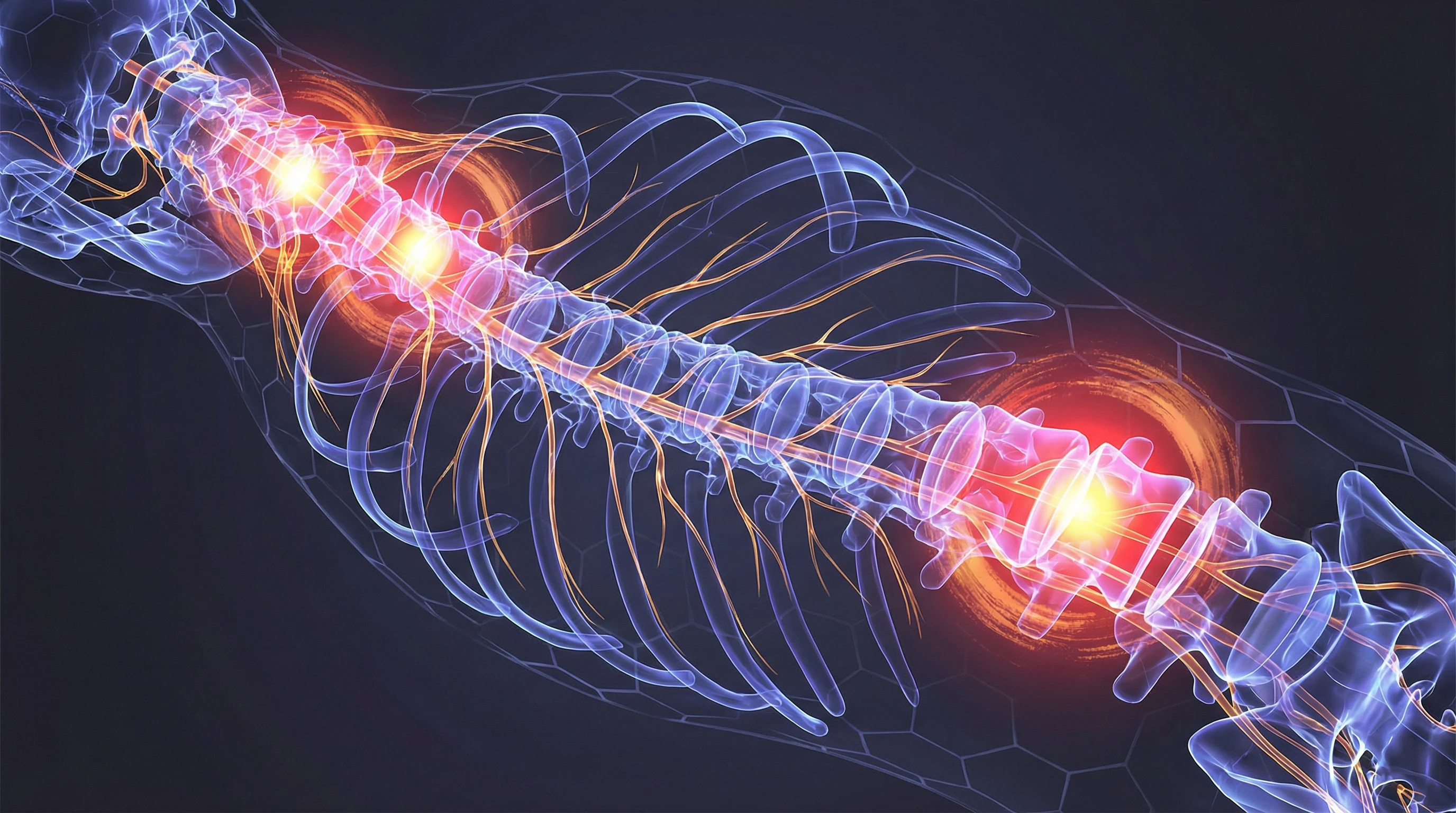
Understanding Central Sensitization
Central sensitization isn’t a term you hear every day, but it’s a pretty big deal in pain science. It refers to a change in the way the nervous system handles pain signals. Normally, pain works as a kind of alarm system. The signal goes off, you feel pain, and you react. With central sensitization, the alarm system becomes ultra sensitive and starts sending out pain messages more often and more intensely, even if there isn’t much happening in the back.
This shift mostly happens in the spinal cord and the brain. Nerve cells in these areas become “excitable,” so even gentle touch or small movements can trigger a pain response. Basically, the nervous system gets stuck on high alert, and regular inputs get amplified, making normal life feel uncomfortable or painful. Everyday actions like putting on socks, rolling over in bed, or even light exercise can suddenly feel overwhelming or sharp. This extra reactiveness makes it a whole-body experience, not just a local back issue.
Central sensitization can also mix with other chronic pain conditions, such as fibromyalgia or migraine, but it is especially influential in the world of lower back pain. Researchers have found that when nerves are trained over time to react strongly, shutting off that response is tough and requires more than just fixing a single muscle or joint.
How Central Sensitization Shapes Chronic Lower Back Pain
When I talk to people dealing with chronic lower back pain, I often hear that their pain just isn’t going away. Sometimes, it even spreads or seems to get triggered by everyday things like bending down or sitting for too long. These are classic hints that central sensitization might be playing a part in the problem.
Here’s what you might spot:
- Extra Pain from Mild Pressure: Something that would barely register as soreness in most people feels really sharp or aching.
- Pain in New Spots: Sometimes pain spreads beyond the lower back, maybe into the hips or legs, even when imaging scans look normal.
- Sensitivity to Temperature or Touch: Regular sensations like warmth, cold, or light touch might feel irritating or painful.
- Mood and Sleep Impact: The ongoing pain and nerve sensitivity often go hand-in-hand with sleep problems, anxiety, or feeling low.
Central sensitization is especially common in long-term pain problems where the pain outlasts any obvious injury. According to recent studies, it shows up in a good chunk of people with chronic lower back pain and can make it harder for treatments focused only on the muscles or bones to actually help (see research).
These changes in pain processing become part of a feedback loop. The more the nervous system is exposed to ongoing pain input, the more likely it is to stay sensitized. That means even after a tissue has healed, pain may persist, keeping people stuck in a frustrating cycle. This cycle affects motivation, relationships, and even confidence, since the lack of a clear physical cause may lead some people to doubt or minimize their own pain. Understanding this can be the first real step to getting help that works.
What Causes Central Sensitization?
This ramped-up pain sensitivity isn’t just random. It develops over time, usually as part of a cycle for several reasons:
- Unresolved Injury: An old injury or strain can get the process started, especially if the initial pain is ignored or treated poorly.
- Repeated Pain Signals: The more pain signals travel along the nerves, the more “used to” firing they get, almost like a bad habit for your nervous system.
- Inflammation: Swelling from injuries or illness can boost nerve sensitivities.
- Stress and Emotional Factors: Anxiety, depression, or feeling hopeless about pain can train the brain to pay extra attention to discomfort. Daily stress, lack of support, or unhappy experiences can all play a role in this process.
I’ve noticed that the longer pain sticks around, the greater the chance that central sensitization will join in. Breaking the cycle is a little more complex than just finding a physical fix for the back; it means looking at the whole picture, from mental health to movement patterns. Lifestyle habits—such as lack of movement, poor sleep, and unhealthy eating—can also poke at the nervous system, keeping sensitivity high. That’s why effective treatment often means broadening the approach beyond physical fixes.
Common Signs That Central Sensitization Is Involved
Some signs really point toward central sensitization playing a big role in chronic lower back pain. Watch for these patterns:
- Pain that doesn’t match up with X-rays, MRIs, or physical exam findings
- Sensitivity to nonpainful touches like clothing or a hand resting on the lower back
- Pain that spreads away from the original injury site
- Pain that lingers for months or years, changing in intensity but never going away completely
- Fatigue, poor sleep, and feeling easily overwhelmed by everyday activities
No single test gives a clear answer that “yes, you have central sensitization,” but lots of practitioners use questionnaires and in-depth discussions to spot the clues (like the Central Sensitization Inventory).
On top of these symptoms, people often say their pain has “a life of its own.” That is, it doesn’t follow logical patterns, and may be unpredictable or flare up out of nowhere. They might notice emotional stress making pain spike, or that rest and gentle movement can actually be soothing.
Roadblocks to Treatment
Treating lower back pain gets trickier when central sensitization is in the picture. I’ve seen people get frustrated after trying medication, injections, or physical therapy without much improvement. Here’s why progress can stall:
- Pain Medications: Standard painkillers often don’t fully address the ramped-up nerve responses. Medications like opioids may even backfire, as they can sometimes make nerves more sensitive with long-term use.
- Muscle-Only Treatments: Focusing solely on stretching or strengthening won’t reset the nervous system’s volume knob. Treatments that ignore the mind-body connection may leave most of the work unfinished.
- Lack of Education: If people aren’t told about central sensitization, they can start to feel it’s “all in their head,” which definitely isn’t true, but this misunderstanding can bring on anxiety and discourage seeking help.
A better approach involves the whole person—blending physical activity with ways to retrain the nervous system and manage stress or anxious thoughts around pain. Feeling heard and supported is a big part of recovery, as it restores confidence and puts people back in control of their healing process.
Best Practices for Managing Central Sensitization in Lower Back Pain
I’ve seen some smart strategies bring real relief by targeting both the body and the nervous system. Here’s what you might find helpful:
- Education: Learning about central sensitization, either through trusted websites or your healthcare provider, can really drop a lot of fear and confusion, offering hope and understanding where there was once frustration.
- Gentle Exercise: Activities like walking, yoga, swimming, and taichi can keep the body mobile and help “retrain” the nerves, especially if done at a level that avoids flareups. Gentle stretching, light strengthening, or even water-based movement may be more comfortable than intense gym sessions.
- Cognitive Behavioral Therapy (CBT): This type of counseling is well supported by evidence and helps you change how you interpret and respond to pain. It can help identify and challenge unhelpful thoughts, while also building resilience and emotional tools for managing daily struggles.
- Pacing and Graded Activity: Trying to push through pain can actually crank up sensitization. Building up activity slowly (a little more each week) usually works best, making progress smooth instead of overwhelming.
- Mind-Body Techniques: Things like mindfulness, gentle breathing, progressive relaxation, and other calming exercises help soothe the nervous system and cut down signals that could turn up pain.
- Working with Pain Specialists: Physical therapists and pain doctors familiar with central sensitization can shape a plan that fits your specific needs and challenges. Don’t hesitate to ask about their experience with nerve-based pain—finding the right fit matters a lot.
There’s no single formula for everyone, but combining these approaches builds confidence, restores sleep, improves energy, and lets you gradually turn the pain “volume” down. Many who struggled for years with failed treatments find more lasting relief with this allinone plan.
Real-World Examples and Applications
I’ve heard from people who were told there was “nothing wrong” on their scans but still couldn’t function because of back pain. Once they started looking at central sensitization as the driver behind their pain, the new goal became calming the nervous system, not just fixing the spine. For example, someone who swapped highintensity exercise with walking and added meditation often noticed less pain and more energy after a couple of months.
Stories like these are easy to track down in pain management forums and even research papers. They make it clear that, while tricky, recovery is possible with the right understanding and toolkit. The biggest step is shifting from trying to “fix” pain instantly to building gradual, sustainable habits for reducing sensitivity over time. For many people, a mix of curiosity, patience, and support can turn what feels like an endless struggle into a manageable challenge.
Frequently Asked Questions
What’s the difference between regular pain and central sensitization pain?
Regular pain usually takes its cue from an injury or clear physical cause and eases as things heal. Central sensitization pain is amplified by the nervous system and can hang around (or move around) even after injuries have healed. The body’s pain “volume” stays stuck on loud, even when the signal should be soft.
If nothing shows up on my MRI, could I still have real pain from central sensitization?
Absolutely. Central sensitization is about how your nerves and brain process pain signals, so traditional images like Xrays or MRIs might look normal even if pain is very real and persistent. Your experience deserves to be recognized and addressed regardless of what scans say.
Can central sensitization actually be reversed?
It might not disappear completely, but the sensitivity can go down a lot with an approach that blends education, movement, and mindbody practices. Many people get their lives back by finding what combination works best for them. Improvement is often gradual, but it’s real and meaningful for quality of life.
Takeaway: Managing Chronic Lower Back Pain with Central Sensitization in Mind
Managing chronic lower back pain gets a lot easier when you understand how central sensitization changes the pain experience. Focusing on the nervous system as well as the muscles, rather than just searching for damage, opens up loads of practical strategies that can reduce pain and help you feel more in control. It’s worth exploring resources, talking with healthcare providers, and staying open to new ways of moving and thinking about pain. With patience and the right support, relief is possible, even after years of discomfort. Step by step, you can set a new course toward recovery and regain more of the life you want.