Pain is something every person experiences, but how people understand and talk about pain has changed a lot over time. Cultural ideas, scientific knowledge, and medical practice have all played a role in shaping how pain gets treated in society. I find it really helpful to look back at these changes to better understand why people react to pain so differently and how health professionals treat pain today. This article covers the adventure from ancient views on pain, through periods of stoicism, to today’s focus on patient-centered care.
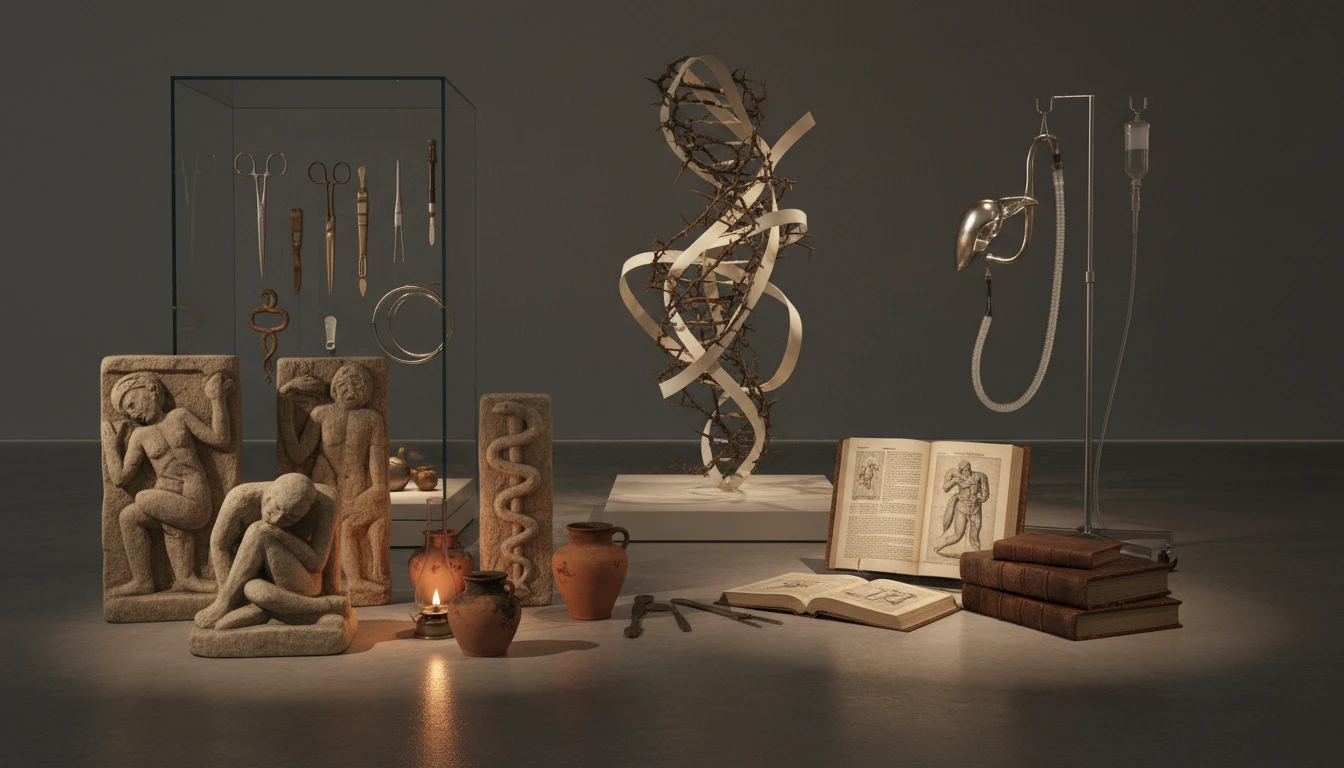
The Ancient World: Spiritual and Physical Interpretations of Pain
In ancient times, pain was often seen as a spiritual or supernatural experience. Many cultures connected pain to punishment from gods or as a form of purification. For example, ancient Egyptians believed pain could be caused by evil spirits, and priests often led healing rituals instead of doctors. In ancient Greece, pain was sometimes linked to the humors, which were fluids believed to control the body and emotions. Hippocrates, who lived around 400 BCE, was one of the first to suggest that pain could have physical causes rather than just supernatural explanations.
During these earlier eras, most treatments for pain were spiritual, magical, or religious. Herbal remedies and physical therapies existed, yet people often sought relief through offerings to higher powers. This mindset deeply influenced how pain was seen for centuries. When pain was viewed as a test or a lesson, people were sometimes expected to tolerate it with little complaint.
Stoicism and the Rise of Endurance
The philosophy of stoicism, which spread through ancient Greece and Rome, had a big impact on how pain was treated in Western society. Stoicism taught that accepting pain without showing distress proved strength of character. Many Roman leaders and citizens valued stoic attitudes, and being able to bear pain was seen as mature or noble.
Even today, I notice that people often admire those who “tough it out” through difficult experiences. While this can be useful in some situations, it sometimes means people avoid seeking help or expressing real needs. This mindset didn’t belong only to philosophers. Many militaries, religious groups, and families promoted stoic endurance well into the modern era.
At the time, people who complained of pain were sometimes accused of weakness and faced stigma. These attitudes have had long-lasting effects, sometimes making it harder for people to honestly share how they feel or to get quality care.
Pain in Religious and Cultural Traditions
Religious teachings influenced ideas about pain for many centuries. In Christianity, for example, suffering and pain took on meanings tied to morality, sacrifice, and redemption. Stories of saints and martyrs focused on their ability to withstand severe pain as proof of their faith and goodness. This approach was not limited to Christianity; similar ideas can be found in Hinduism, Buddhism, Islam, and other belief systems.
Cultural traditions sometimes shaped how much individuals were ‘allowed’ to show their pain. In some Indigenous cultures, pain was seen as an important spiritual signal or a part of growing up, with rituals to mark the experience.
Anthropologists and medical historians have found that in many societies, people’s attitudes toward pain and suffering shaped medical practice, community behavior, and personal identity. For example, in some societies, people were encouraged to express pain openly, while in others, silence was valued as a sign of strength.
In Japan, for example, the cultural concept of “gaman” encourages endurance and self-control in the face of hardship, including pain. Contrastingly, in Mediterranean cultures, open expression of pain is more accepted and sometimes expected. These variations highlight how culture molds not just individual pain experiences, but the way pain is managed and addressed by families and communities.
The Medicalization of Pain in the Modern Era
From the late 17th to the 19th centuries, growing scientific knowledge led to a mix-up in pain’s meaning. With advances in anatomy, physiology, and chemistry, doctors began to see pain as something physical and measurable rather than a purely spiritual event. René Descartes, a famous philosopher and scientist in the 1600s, proposed that pain was a message carried by nerves from the body to the brain. This idea still shapes pain science today.
The rise of anesthesia in the 19th century was a turning point. Ether and chloroform allowed for painless surgery, which changed how people thought about pain in medicine. Before this, pain during surgery was seen as an unavoidable and character-building ordeal. After these developments, doctors were expected to prevent and relieve pain whenever possible.
This period also brought new types of pain relief. Morphine, aspirin, and other medicines started to become widely available. These breakthroughs led to the idea that pain need not be endured and could be addressed with real options. I see this as a big step forward in recognizing pain as a medical issue, but it also started debates about proper pain management that continue even today.
Gender, Race, and Social Attitudes Toward Pain
Society has always influenced whose pain is taken seriously. Medical textbooks, hospital records, and personal stories all make it clear that women, people of color, and others in minority groups haven’t always received fair pain care. Historians and medical researchers have found examples of bias that shaped treatment, from ignoring or downplaying some patients’ pain to delaying proper care.
Women, for example, have sometimes been told their pain is imaginary or seen as too emotional, while men are encouraged to act stoic. Race and class also affect pain treatment. Studies show that people from racial or ethnic minorities sometimes get less effective pain management compared to white patients. These differences have roots in outdated social beliefs, and I think it’s crucial to talk openly about them when we try to fix pain care today.
Over the last few decades, more attention has been paid to these inequalities. Many hospitals and training programs now teach staff how to spot and reduce bias, ensuring that all patients receive better, more empathetic care. It’s an ongoing process, but this shift gives hope for more equal treatment in the future.
From Symptoms to Stories: The Move Toward Patient Voices
In the late 20th century, patient advocacy and new research began to draw focus from just treating symptoms to listening closely to people’s own descriptions of pain. The World Health Organization and other groups encouraged doctors to see pain itself as a problem, not just a sign of another disease. New tools were developed, such as pain scales and structured interviews, so patients could describe their experience more clearly.
This kind of change has helped people feel seen and heard when asking for pain relief. Health professionals now often ask patients to rate their pain, describe it in their own words, and talk about how it affects their day-to-day. Research backs this approach up, showing that treatment is usually more successful when people feel able to communicate their pain openly and honestly. Check out this research article on assessing pain for more details on these tools.
Patient stories also bring attention to unique pain experiences. For instance, people living with chronic pain conditions like fibromyalgia or neuropathy have often faced disbelief or skepticism. By sharing their stories publicly, they’ve helped make pain more visible and pushed for new understanding and therapies.
Patient-Centered Care and Modern Pain Management
Today, patientcentered care is the main approach in most hospitals, clinics, and pain management programs. This style means not just treating pain as a symptom, but also seeing the person behind it. Teams made up of doctors, nurses, physical therapists, psychologists, and social workers often work together to address both the physical and emotional sides of pain.
Patientcentered care encourages people to talk about all parts of their experience, including how pain affects their relationships, sleep, mood, and everyday activities. Treatments include guidance on movement, counseling, medication, physical therapy, and sometimes complementary therapies such as acupuncture or massage. Choices are usually made together, considering the patient’s values and preferences. For more info, I suggest checking out this resource from the CDC on pain management strategies.
Culture is still super important here; some people may feel uncomfortable speaking up or they may worry about stigma around pain medicines. Health professionals are trained to keep an eye out for these barriers so everyone can get the best possible care.
Technology also makes a difference in modern pain care. Electronic medical records help doctors track pain history and treatment effectiveness, while telemedicine gives more people access to specialists—especially those in remote areas or with limited mobility.
Common Questions About Cultural Perceptions of Pain
These questions come up a lot when I talk with people about the history and meaning of pain:
Question: Why do some people handle pain differently than others?
Answer: Culture, upbringing, beliefs, and individual biology all play roles in pain tolerance and expression. People from backgrounds that value endurance may be less likely to talk about pain, while others might describe it more openly.
Question: Can ignoring pain be harmful?
Answer: Yes. Ignoring or minimizing pain can lead to delayed diagnosis, untreated conditions, or lower quality of life. It’s important to listen to your body and seek help if pain doesn’t go away.
Question: What’s the best way to share my pain with my healthcare provider?
Answer: Clearly explain where it hurts, how much, what makes it better or worse, and how it affects your daily life. Doctors now expect people to be honest and detailed, so it’s okay to ask for what you need.
Question: How do language and culture affect pain communication?
Answer: The words people use for pain, comfort with expressing distress, and trust in the healthcare system can all be shaped by culture and language. Understanding these differences helps health professionals connect with patients and offer respect and support.
Modern Perspectives: Balancing Science, Empathy, and Culture
Ideas about pain keep moving forward. Advances in neuroscience, psychology, and social science all add new layers to the conversation. Today, many experts agree that pain is a personal and complex experience shaped by body, mind, and culture. There’s a strong focus on blending scientific treatment with empathy and respect for each person’s background.
Health systems work to close gaps in pain care, promote equal treatment, and teach people how to talk openly about pain. Community support, patient advocacy groups, and educational campaigns help make things better for everyone dealing with pain. As I see it, this balanced approach offers the most benefits by encouraging people to seek help early and share their stories with confidence.