When it comes to rheumatoid arthritis (RA), many people think first about swollen joints or morning stiffness. Persistent joint pain, however, is one of the most challenging aspects I’ve seen people deal with daily. Scientists have shown that pain in RA isn’t just about joint damage; there are also more complex interactions happening between the nervous system and the immune system. These are known as neuroimmune interactions. These interactions play a big part in how joint pain becomes more intense and continues over time. In this article, I’m going to unpack how these neuroimmune interactions contribute to pain sensitization in RA and why this matters for long-term management.
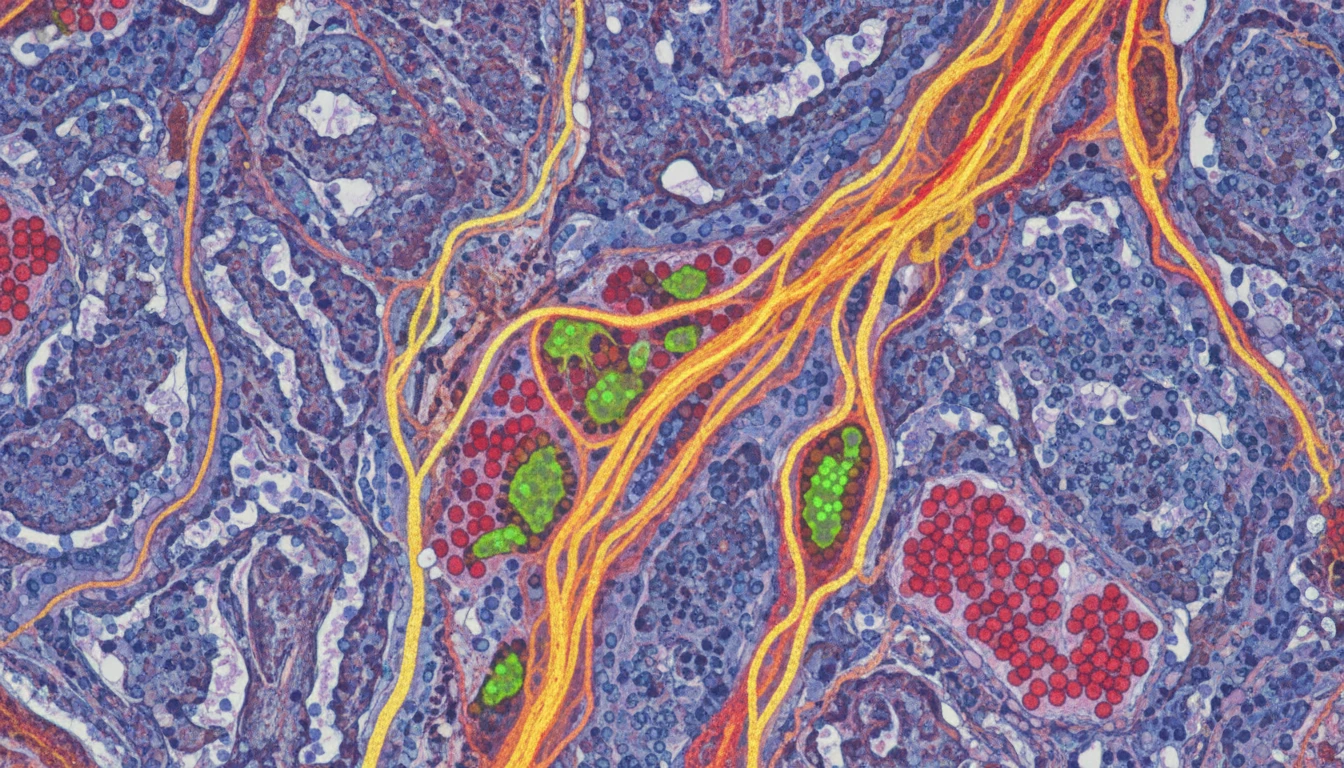
How Neuroimmune Interactions Influence Pain in Rheumatoid Arthritis
For years, doctors thought RA pain was mostly from inflammation and damage inside the joint. While those factors still matter, I’ve learned that the story isn’t so straightforward. Researchers now know that both immune cells and nerve cells talk to each other directly in the inflamed joint lining (synovium) and surrounding tissues. This ongoing communication shapes how strongly we experience pain.
Immune cells such as macrophages, T cells, and B cells quickly gather in the joint, producing small chemical messengers called cytokines. Some of the most common cytokines in RA are tumor necrosis factor alpha (TNFα), interleukins (IL1β, IL6), and chemokines. These cytokines can activate nearby nerve endings called nociceptors, making them fire off pain signals even when the damage is minor or the actual joint swelling isn’t severe.
Nerves, for their part, also release their own messengers, like substance P and calcitonin generelated peptide (CGRP). These can fire up more immune activity, creating a loop that makes pain feel worse and harder to control with basic painkillers.
The Transition from Normal Pain to Sensitized (Chronic) Pain
Normally, pain is a warning signal to protect the body from further harm. In RA, my experience is that repeated inflammation and ongoing immune activity rewire the pain system. This process, called sensitization, means the nerves become much more responsive to even mild joint irritation. Some of the biological changes behind this include:
- Peripheral sensitization: The pain nerves in the joint become extra sensitive because of long-term exposure to inflammatory chemicals.
- Central sensitization: The spinal cord and brain adapt to the chronic pain state, so pain signals are amplified, even with little or no inflammation. Patients sometimes describe feeling pain from a light touch that wouldn’t normally hurt.
Emerging research demonstrates that nerve endings can even sprout new branches inside the inflamed joint. This extra nerve growth makes the area even more sensitive, further fueling long-term pain.
Besides physical sensations, sensitization can affect emotions and mental health. People may become more anxious or worried about their pain, finding daily activities harder. This cycle of pain and worry can actually make nerves even more sensitive, reinforcing the chronic nature of RA discomfort.
Key Players in Neuroimmune Crosstalk
One of the most fascinating things I’ve learned is how specific types of cells and signaling molecules shape the pain experience in RA. Here are some central players involved in this ongoing communication:
- Macrophages: These are major sources of inflammatory cytokines in the joint. They sit close to nerves and can directly influence pain signaling.
- Mast cells: These release histamine and proteases near nerve fibers, making them more excitable and irritable.
- Neutrophils: Typically, they rush to the joint during flares and release enzymes that can break down tissue and cause pain.
- Schwann cells: These support and insulate nerve fibers. During RA, they can change their normal function and help drive inflammation.
Cytokines, chemokines, and neuropeptides help these cells communicate across the immune and nervous systems. For example, TNFα blockers can provide relief not just by reducing swelling but also by calming down nerve firing in the joint.
Newer studies are digging into how these messengers connect the dots between immune and nerve cells. Understanding this can help in designing better treatments down the line. There’s also evidence that local immune cells produce molecules altering nerve function, giving us more targets for therapies.
Why Neuroimmune Sensitization Matters for Long-Term Pain Control
The connection between the nerves and immune system explains why some people continue to feel pain even after swelling or major inflammation is brought under control. This means it isn’t always enough to just treat the inflammation. Persistent pain can mean the nervous system is stuck in “high alert.”
This is critical to understand, both for patients and doctors. Recognizing that pain may be coming from ongoing sensitization can influence decisions about medications, physical therapy, and other treatments. There’s growing evidence that tackling both the immune and nervous system sides of the problem gives the best shot at lowering pain intensity and regaining daily function.
Knowing this also highlights the importance of patience during treatment. Since the nervous system needs time to “reset,” combining medication, movement, and mental health support is key for longterm improvement. It’s a wholebody approach that recognizes pain is more than just swelling in the joints.
Challenges with Diagnosis and Treatment
One challenge I see is that pain sensitization often goes underrecognized in clinical practice. Doctors and patients sometimes expect that pain should directly match up with scans or blood tests of inflammation, but that’s not always the case. If joint damage is mild, but pain is still high, neuroimmune sensitization might be present.
Typical antiinflammatory drugs or even powerful disease modifying agents (DMARDs) don’t always erase pain once sensitization has set in. That’s why some people with RA try a mix of medications (including nervefocused drugs), exercise, and counseling to manage ongoing pain. Approaches like cognitive behavioral therapy, mindfulness, and even certain antidepressants can help “reset” the sensitivity of the nervous system.
- Example: I’ve known people who start feeling less pain not just from a new RA medication, but also after starting regular walking routines paired with painfocused therapy. They report that their pain feels less overwhelming, even on days when joints are more swollen than usual.
Clinicians and people with RA need to communicate openly about all aspects of pain. Often, combining different strategies can help retrain the nervous system and improve overall function even when inflammation is low.
Current and Future Treatments Targeting Neuroimmune Interactions
Researchers are developing and testing new drugs that target both the immune and neural pathways in RA. Some drugs developed for nerve pain (like gabapentin and pregabalin) are being used offlabel when classic treatments fail. Others, like biologics targeting specific cytokines (TNFα, IL6), have shown improvements in both joint symptoms and pain scores thanks to these neuroimmune effects.
Cutting down nerve growth in the joint is another area of interest. Studies are looking at ways to block NGF (nerve growth factor), which is involved in nerve sprouting and pain sensitivity. Early results are promising, but these drugs still have some safety questions to answer. As research continues, more precise medications may give people with RA new options for pain that stubbornly sticks around.
- Physical therapies: Physical activity and movement help “train” the brain and nerves, reducing sensitization over time. Sticking with a good exercise program, even a gentle one, can make a noticeable difference.
- Non-drug strategies: Techniques like mindfulness, biofeedback, and cognitive behavioral therapy target the nervous system’s role in pain, often improving coping skills and lowering perceived pain intensity.
Beyond medication and exercise, getting enough rest, managing stress, and staying connected with supportive communities can step up your ability to manage pain. People who focus on overall wellness typically report feeling better and more hopeful about living with RA.
Everyday Impact: Why This Knowledge Changes How I Approach RA Pain
Realizing how important neuroimmune interactions are has changed the way I talk with people about their joint pain. It’s not just about inflammation markers or xrays. Understanding that the nervous system can stay sensitive after inflammation is under control explains why pain can feel “out of proportion.”
This also means I look at pain management more broadly. Medications that target the immune response are important, but a combination of physical activity, mental health support, and sometimes nervefocused treatments works better for most people I’ve seen. If pain keeps lingering, bringing up the idea of pain sensitization with your doctor can make a big difference in tracking down new strategies.
It’s empowering to know that even if one path doesn’t erase pain, there are several ways to get some relief. Regular conversations, honest assessment of therapies, and ongoing adjustments can help people take back control over their daily lives with RA.
Frequently Asked Questions
Here are answers to some common questions I get about neuroimmune interactions in RA pain:
Question: Why do I still feel pain if my RA test results look better?
Answer: Joint pain can continue when the nervous system remains sensitized from earlier inflammation. Even with minimal swelling, the pain nerves may still be extra responsive, causing ongoing discomfort.
Question: Can medications for nerve pain help with RA pain?
Answer: Drugs like certain antidepressants or antiseizure medications are sometimes used alongside RA treatments to calm nerve pain signals. These are usually considered when pain doesn’t respond fully to standard RA medications.
Question: What can I do myself to lower pain sensitization?
Answer: Keeping physically active, using relaxation techniques, and discussing pain therapy options with your care team can help retrain your nervous system over time. Patience and consistency are really important for these strategies to help.
Key Points to Remember About Neuroimmune Pain in RA
Understanding how the nervous and immune systems interact helps explain why joint pain can be so difficult and last even after the worst swelling goes away. Old and new treatments that focus on both sides of this connection offer better options for managing RA pain in the long run. Staying curious, open with your doctor, and exploring a range of different strategies can help improve quality of life. Keeping this whole body approach in mind has helped me better support those dealing with daily pain from RA.