Chronic pain is something that millions of people deal with every day. For some folks, the pain doesn’t seem to have an obvious cause, which means no broken bone, no torn muscle, and nothing unusual shows up on a scan. So why does the pain feel so real, even when there isn’t clear tissue damage? Figuring out this kind of pain often means rethinking what pain actually is, and understanding how it’s wired in the body and mind.
Understanding Chronic Pain Beyond Tissue Damage
Chronic pain, by definition, sticks around for three months or longer. There’s a lot of confusion around why pain continues after injuries have healed or why it sometimes seems to show up for no clear reason. One key thing to know: pain isn’t always directly tied to ongoing damage in the body.
Doctors once believed that physical injuries were the main reason pain lingers. While this can be true, many people develop chronic pain without any clear evidence of damage. Research published in medical journals has shown that the nervous system itself can become overreactive, basically cranking up the volume on pain signals. Some of the best-known chronic pain conditions in this category are fibromyalgia and certain back pain syndromes.
How the Nervous System Creates Pain Without Injury
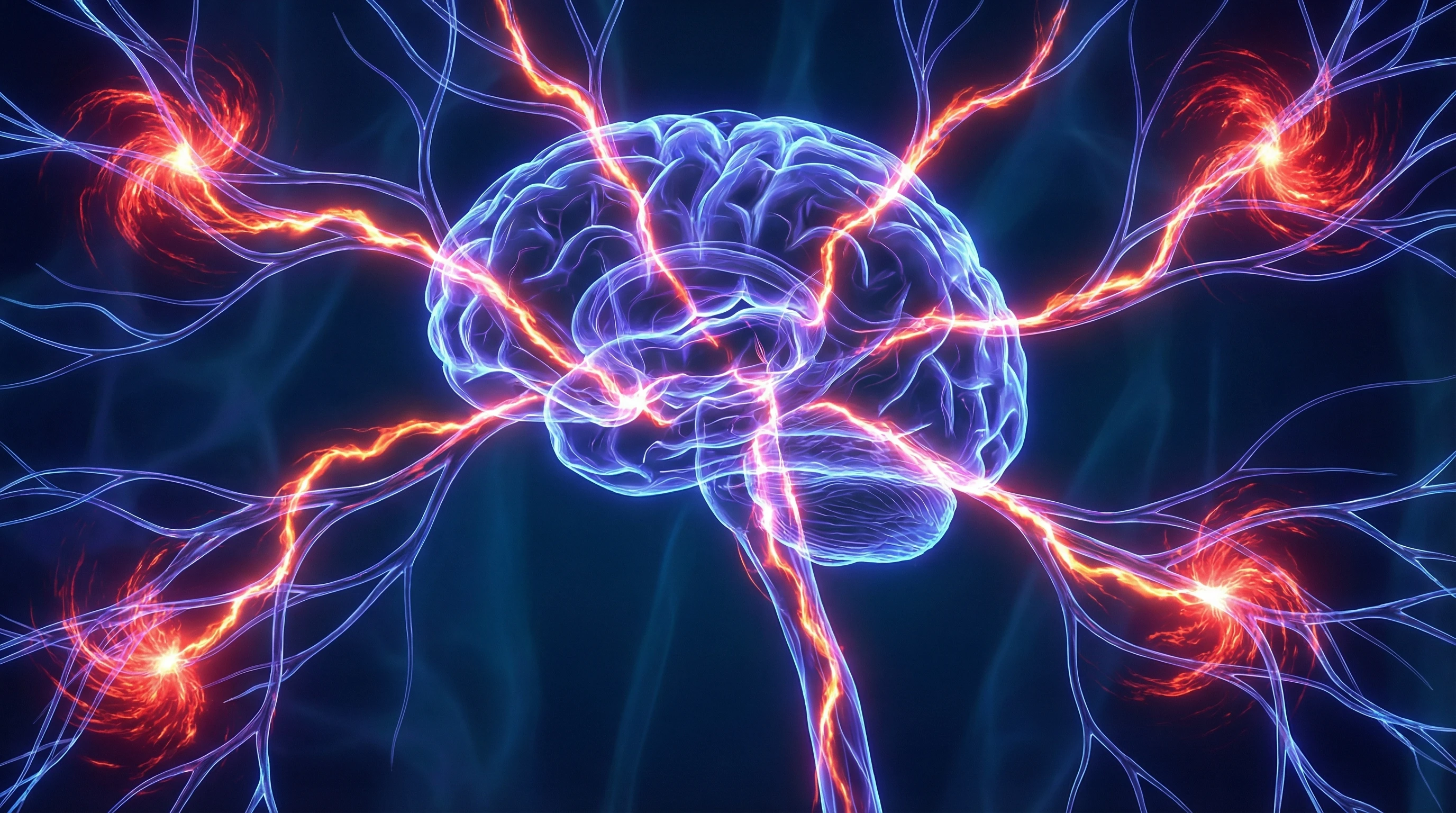
Pain isn’t just about tissue being hurt; it really depends on how the nervous system interprets danger or threat. Here’s what’s happening: Nerves in the body, called nociceptors, send warning signals up to the spinal cord and brain. The brain then decides if there’s a problem and if pain should be felt. This process is called pain processing, and it’s far more complex than just reacting to injury.
Sometimes, even after healing, the nervous system keeps reacting as if danger is still present. The nerves and brain can get stuck in a “hyper-alert” mode. This means pain signals fire off even when there’s nothing wrong physically. That’s known as central sensitization, and it’s a huge reason why chronic pain can feel like it has “no cause.” Understanding this process can be the first step in getting the right kind of treatment.
- Central Sensitization: The nerves become extra responsive, firing pain messages even from normal touch or light pressure.
- Neuroplasticity: The brain can “learn” pain over time, making those pathways easier to trigger.
- Psychosocial Factors: Stress, trauma, or mental health challenges often mix in, affecting how strongly pain is felt.
Common Chronic Pain Conditions With Minimal or No Tissue Damage
Several well-known chronic pain conditions cause real discomfort even though nothing unusual appears in scans or tests. The most common ones include:
- Fibromyalgia: This causes pain all over the body, fatigue, and poor sleep. No clear tissue change is found, but the nervous system reacts strongly to mild triggers. The Centers for Disease Control and Prevention has more info on how it’s diagnosed.
- Chronic Primary Back Pain: Many people have back pain without an obvious injury. Over time, the nerves in the back become more sensitive and send more signals.
- Tension Headaches: These headaches can crop up often and hurt quite a bit but rarely have any scan findings that explain them.
- Irritable Bowel Syndrome (IBS): People with IBS feel abdominal pain, bloating, and changes in bathroom habits. Tests don’t show visible damage in the gut.
Why the Brain Plays Such a Huge Role
The brain acts as the body’s alarm system, sorting through dozens of signals and deciding which ones get labeled as “painful.” Sometimes, thanks to stress, trauma, or earlier bad experiences, the brain gets stuck in “alarm mode,” making a person more sensitive to all kinds of body signals.
This explains why two people with similar injuries can have very different recoveries—one may bounce back quickly, while the other keeps feeling pain for months or years after healing. Things like mood, sleep, and beliefs about pain all can dial up how much it really hurts. Recent evidence shows that extra scans or surgeries do not always help unless the nervous system is being addressed, too.
What Triggers Pain When There’s No Ongoing Tissue Damage?
Several factors can make chronic pain stick around even after an injury is gone:
- Past Injuries: Learning pain from earlier injuries can lead the nervous system to expect and “play back” pain even later.
- Stress: Emotional or physical stress increases nervous system tension, making pain seem worse.
- Sleep Problems: Not sleeping well lowers your body’s pain tolerance and increases pain signals.
- Lack of Activity: Fearing more pain can mean moving less, which weakens muscles and joints and feeds the whole pain cycle.
Central Sensitization in Everyday Life
Central sensitization doesn’t just turn up the volume on pain; it can make people more sensitive to light, sounds, or even gentle touch, which makes daily life challenging. Chronic pain clinics often keep this in mind when building treatment plans, which may include education, gentle exercise, counseling, and medications aimed at calming down the nervous system.
How Medical Professionals Diagnose Chronic Pain Without Clear Damage
Figuring out pain that’s not tied to tissue damage can be complicated. Many doctors start out with blood tests or imaging to make sure nothing important is missed. But when tests don’t point to a physical problem, the pain may be labeled as “nociplastic”—meaning it’s caused by changes in nervous system processing, not inflammation or tissue damage.
Healthcare providers often use symptom checklists, questionnaires, and detailed conversation to track down what’s really happening. Ruling out other illnesses is important, but making sure patients feel heard—that the pain is real, regardless of test results—is just as crucial.
Real-Life Stories: Living With Invisible Pain
Many people live with pain that looks invisible to the outside world but is still absolutely real. Take, for example, someone with fibromyalgia who appears fine one day but the next can barely get out of bed, while their tests always read normal. These stories can lead to frustration, especially when friends or family don’t “see” anything wrong. This situation is more common than you might think, and online forums and support groups are filled with people who’ve gone through the same thing.
Helpful Tips for Managing Chronic Pain When There’s No Clear Cause
Dealing with chronic pain that doesn’t have an obvious origin can feel lonely, but there are ways to get some relief. Finding a healthcare provider who gets the current science behind pain is key, as treating the nerves and brain is just as important as treating any part of the body. Some helpful tips include:
- Pacing Yourself: Breaking up big chores or tasks into smaller chunks, and making sure to take regular breaks.
- Gentle Exercise: Light movement like walking or stretching helps train the nervous system to calm down.
- Stress Management: Relaxation, mindfulness, and therapy can help lower the brain’s “alarm level.”
- Support Groups: Sharing stories with others who live with hard-to-explain pain offers comfort and real-life advice.
Frequently Asked Questions About Chronic Pain With No Tissue Damage
Question: If there’s no tissue damage, is the pain just “in my head”?
Answer: Absolutely not. The pain is real; it’s just coming from how the nervous system reacts instead of an active injury.
Question: Will pain medications help if there isn’t a clear injury?
Answer: Some people get relief, but treatments that target the nervous system, like certain antidepressants, physical therapy, or mindbody practices, often work better for long-term improvement.
Question: Can chronic pain without tissue damage ever go away?
Answer: Yes, many people find relief through education, gentle activity, and retraining their nervous system. Progress might be slow, but improvement is possible.
What Science Says About Treating Chronic Pain Conditions
Research is clear: effective treatment for these types of pain focuses on retraining the brain and nerves. This means learning about pain, slowly building up movement or exercise, and addressing any emotional challenges that tie into pain. Treatments like cognitive behavioral therapy (CBT), meds that lower nerve sensitivity, and mindfulness approaches have shown real promise in studies.
Ignoring the pain or just “toughing it out” doesn’t work, but teaming up with a healthcare group that knows newer pain science can help people take charge, sometimes in ways they never expected. The science is moving fast, so turning to trusted sources such as the American Chronic Pain Association is always a good idea for the latest updates.