Pain is a pretty universal experience, but how each person deals with it can be very different. Over time, there’s been a lot of research on ways to help people handle pain that actually work—not just old wives’ tales or random advice. That’s where evidence-based problem-solving interventions for pain perception come into play. Today, I’ll go through some of the approaches I’ve researched, along with what makes them worth checking out, especially if you’re looking to manage pain more effectively or help someone who is.
Pain Perception: A Quick Intro
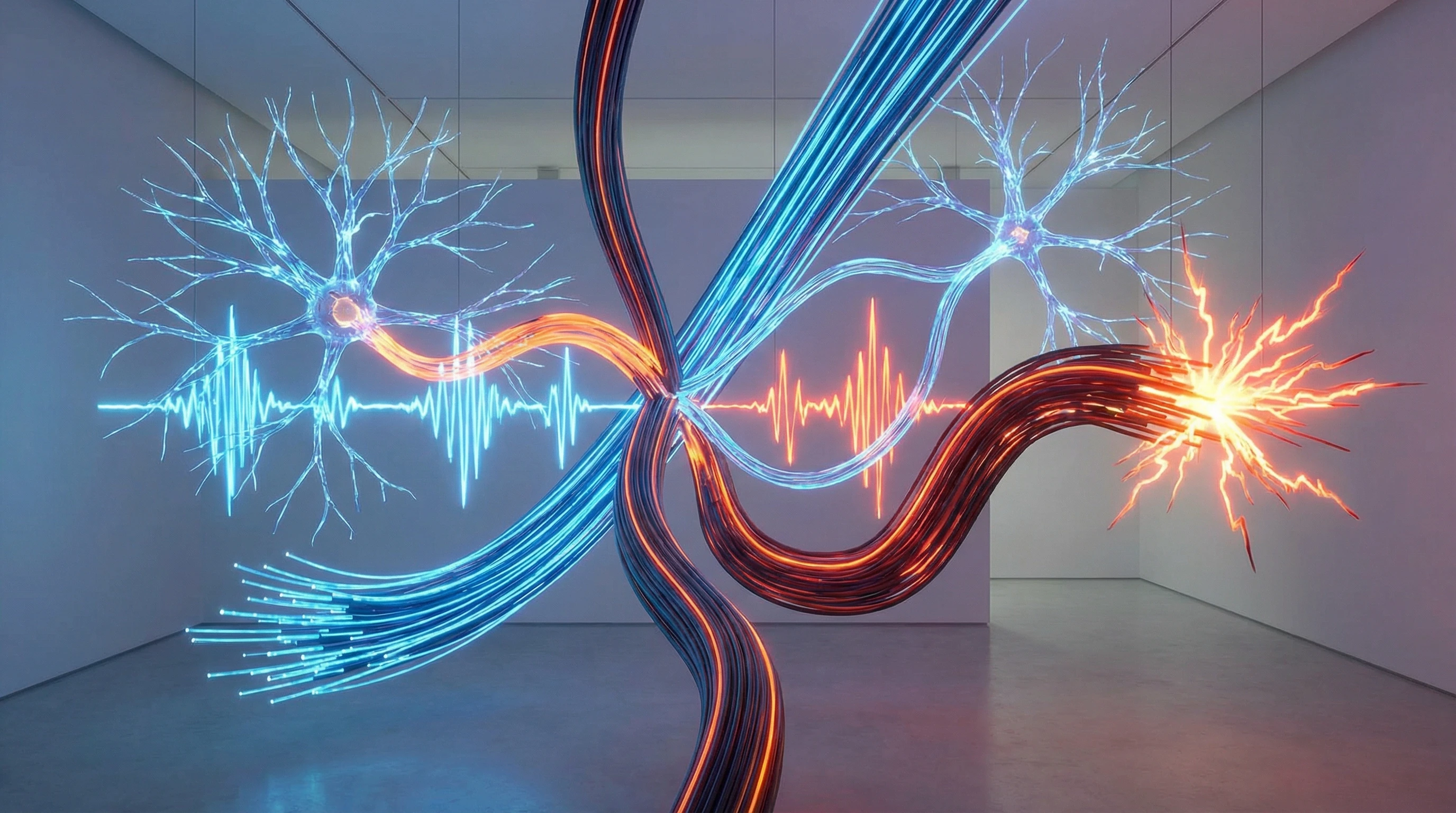
Everyone feels pain slightly differently, but there’s a lot going on behind the scenes. Pain perception is basically how your body and mind react to and interpret physical discomfort. It isn’t just a signal from your body. It’s shaped by your emotions, thoughts, and even your beliefs about pain.
Studies in neuroscience show that the brain has a big role in shaping pain, sometimes amplifying it or turning it down based on what else is going on in your life. This is why two people with the same injury might have completely different levels of pain.
For instance, someone who is under a lot of stress or doesn’t sleep well can feel pain much more intensely, while someone who feels supported and relaxed might notice their discomfort doesn’t bother them as much. Recognizing this can help people see pain as something they might have some control over, instead of just a signal they are powerless against.
Getting Started with Evidence-Based Interventions
The phrase “evidence-based” just means that a treatment or strategy is backed up by solid research, not just opinion. With so many ideas out there about pain relief, it’s important to stick with things shown in studies to actually help people feel better.
Here are three common approaches researchers talk about a lot:
- Problem-Solving Therapy (PST): A structured way to tackle challenges related to pain, helping people break apart problems and find solutions.
- Cognitive Behavioral Therapy (CBT): Teaches people how to change their thinking patterns and behaviors around pain.
- Mindfulness Based Strategies: Focuses on helping people pay attention to the present moment instead of getting stuck in negative thinking about pain.
How Problem-Solving Therapy Works for Pain
Problem Solving Therapy (PST) is a tool psychologists use to help patients who are feeling stuck. Imagine having pain that just won’t go away; PST is designed to break the cycle of feeling helpless or overwhelmed.
Here are the main steps in PST that I’ve found make the biggest difference:
- Problem Identification: Instead of saying “everything hurts,” you figure out exactly what’s getting in your way. Is it getting out of bed? Going to work? Picking up the kids?
- Generating Solutions: Brainstorm a bunch of possible ways to make that one thing easier, no matter how small.
- Evaluating Solutions: Look at the pros and cons—what’s easy, what’s hard, and what you’re willing to try.
- Taking Action: Pick something from the list and try it out, then review how it went.
This sounds kind of simple, but when pain takes up all your energy, putting things into a step-by-step plan can keep everything from feeling overwhelming. There’s research showing this method helps reduce distress, especially for people with chronic pain conditions.
More Tools for Changing How You Think About Pain
Cognitive Behavioral Therapy (CBT)
CBT pops up all over the place in research on pain. The basic idea is that your thoughts affect how you feel physically, and the other way around. When it comes to pain, CBT helps people spot “catastrophizing,” the habit of thinking the worst about every ache and twinge, and replace those thoughts with more realistic ones.
Some practical CBT techniques include:
- Keeping a pain diary to see patterns
- Learning relaxation techniques to drop muscle tension
- Trying positive self-talk to keep from spiraling into worry
What I really like about CBT is that it can be used in one-on-one sessions, in groups, or even through apps. There’s a stack of studies pointing to CBT as pretty useful for chronic pain like fibromyalgia, arthritis, or back pain.
Sometimes, CBT gets paired with physical therapy or pain education, giving people more tools for managing their symptoms, feeling more confident, and handling daily tasks.
Mindfulness Based Pain Management
Mindfulness is about noticing what’s happening right now, without trying to change or judge it. It might sound odd at first; who wants to pay close attention to pain? But by learning to notice pain without panicking or tensing up, a lot of people actually find the intensity goes down over time.
Mindfulness based approaches often include:
- Guided meditation sessions
- Breathing exercises
- Body scan practices to gently check in with physical sensations
There’s evidence from clinical trials that mindfulness can help people with long-term pain lower their emotional distress and their reliance on medication. Programs like Mindfulness Based Stress Reduction (MBSR) are pretty popular and you can find lots of free audio guides online. Practicing mindfulness with a group or with friends can also keep up motivation and make the practice feel less solitary.
First Steps for Trying Problem Solving Interventions at Home
- Keep Track of What’s Tough: Make a list during a bad day—what things are hardest to get done? Write down any thoughts or emotions that pop up, too.
- Pick Just One Thing: Don’t try to fix everything at once. Choose one daily challenge, like doing dishes or walking the dog.
- Brainstorm Solutions: For that challenge, jot down every idea, even ones that seem small or obvious. Sometimes, tiny tweaks, like setting a timer to remind yourself to move or using a stool to sit while doing chores, can lead to bigger improvements over time.
- Put It to the Test: Try your favorite idea for a few days. Keep notes about how it goes, including any pain changes.
Over time, this approach keeps things feeling manageable. It’s also pretty rewarding to see even small wins add up, which can give you a boost of motivation to keep at it.
Things Worth Thinking About When Working on Pain Perception
- Practice Makes Progress: These methods get easier with time. The first problem solving session might feel awkward, but sticking with it is really important.
- Patience with Setbacks: Not every strategy will work right away, and that’s normal. It’s about making steady changes, not looking for a miracle cure.
- Staying in Touch with Your Healthcare Team: If you’re dealing with new or worsening pain, keeping your doctor or therapist in the loop helps. They might have suggestions for extra support.
Challenges People Run Into
Pain tends to zap your energy and patience, so even basic tasks can feel tough. Some people might get frustrated if they don’t see fast results. In my experience, those who check in with a therapist or join support groups often find it easier to stay motivated and learn new tricks. Having someone to talk things through with can turn a tough day around and help you connect with others going through similar experiences.
Adapting to Different Kinds of Pain
No two pain conditions are quite alike. Problem solving skills work for both chronic pain (like ongoing back pain) and more temporary pain (like recovery from surgery), but tools might need tweaking. For chronic pain, long-term routines and self-care strategies are helpful; for short term pain, focusing on recovery milestones helps make progress more visible.
For example, chronic pain sufferers might use journaling and pacing strategies to manage flare-ups, while someone with post-surgical pain might set small goals each week to get back to their normal activities. Collaborating with a physical therapist or occupational therapist can add extra know-how and make the journey smoother.
Advanced Approaches: Blending Strategies for Best Results
Mixing problem solving with other strategies can give you a bigger toolkit. For example:
- Combining PST with Mindfulness: Tackling problems in daily routines while practicing mindfulness can help keep stress lower and make improvements feel more doable.
- Bringing in Physical Activity: Gentle exercises (like walking or stretching) have been shown in research to help reduce pain intensity for many people, especially when combined with problem solving and mental strategies.
- Using Tech for Support: There are pain management apps and online CBT programs now. Some people find it easier to stick with a plan using reminders and guided exercises from their phones or tablets.
Adding social support, like connecting with a community group or reaching out to others online, can also add encouragement. For people who might struggle with motivation, teaming up can make a big difference and open up new ideas that you might not have thought of on your own.
Everyday Life and Evidence-Based Interventions
Bringing these techniques into daily life makes pain management less about “fixing” yourself and more about getting back in control. I’ve seen people set up weekly check-ins with themselves or a friend to talk about what’s working, or use a whiteboard to track progress on pain-related goals.
Some common scenarios:
- Work and Study: Taking short, regular breaks and using ergonomic furniture often pops up as a good pain management tip in research. Adjusting schedules to mix easy and hard tasks can also make daily routines feel less overwhelming. Try rearranging your workstation or planning tasks to give your body a break before any discomfort spikes.
- Family and Social Life: Talking openly about what you need (like help around the house or quiet time) is a big part of real problem solving. Studies show that people who communicate clearly about pain-related struggles tend to feel less isolated and more supported.
- Creative Outlets: Focusing on hobbies—like art, gardening, or music—helps turn attention away from pain and toward enjoyable activities. This is backed by evidence as a way to make life feel more full, even with pain in the picture. Spending time on a favorite activity can also reduce stress and offer a sense of achievement.

Frequently Asked Questions
Here are a few of the most common questions I get about evidence-based pain interventions:
Question: Is it possible to use these techniques on your own?
Answer: Many people start on their own using books or online resources, but working with a therapist can make it easier to stay motivated and troubleshoot any bumps along the way.
Question: How long does it take to notice results?
Answer: Some people feel a shift within a few weeks, though deeper changes often take a couple of months. Consistency is really important for the best outcome. Keep a log and celebrate the little wins, as progress can be gradual but steady.
Question: Are these approaches helpful for kids or teenagers?
Answer: Yes, evidence supports adapting these interventions for young people, especially with support from parents or school counselors. Creative activities and short, playful exercises often work well with kids, making the techniques easier and more fun to use.
Making the Move to Practical, Evidence-Based Pain Solutions
Using interventions backed by science gives you a roadmap for getting more control over pain, step by step. The real power of these approaches is their flexibility. Whether you’re dealing with long-term pain or a temporary issue, these methods can fit into any lifestyle, and you can always adapt them as life changes.
Every step counts, and even small changes can make daily life a little smoother and a lot more manageable. If you’re curious to dig deeper, resources from organizations like the American Chronic Pain Association or the British Pain Society are worth a look for easy-to-follow guides and supportive communities.