Pain isn’t just about what’s happening in the body. What’s going on in the mind matters a lot, too. The way people feel pain can be shaped by things like stress, beliefs, mood, and even memories. After years of sorting through pain research, I’ve learned it’s clear that understanding the psychological side of pain makes a big difference, whether you’re dealing with day-to-day aches or chronic discomfort. Here’s an all-in-one look at the psychological factors that play into how we experience pain and why they really matter.
Why Psychological Factors Affect Pain Sensitivity
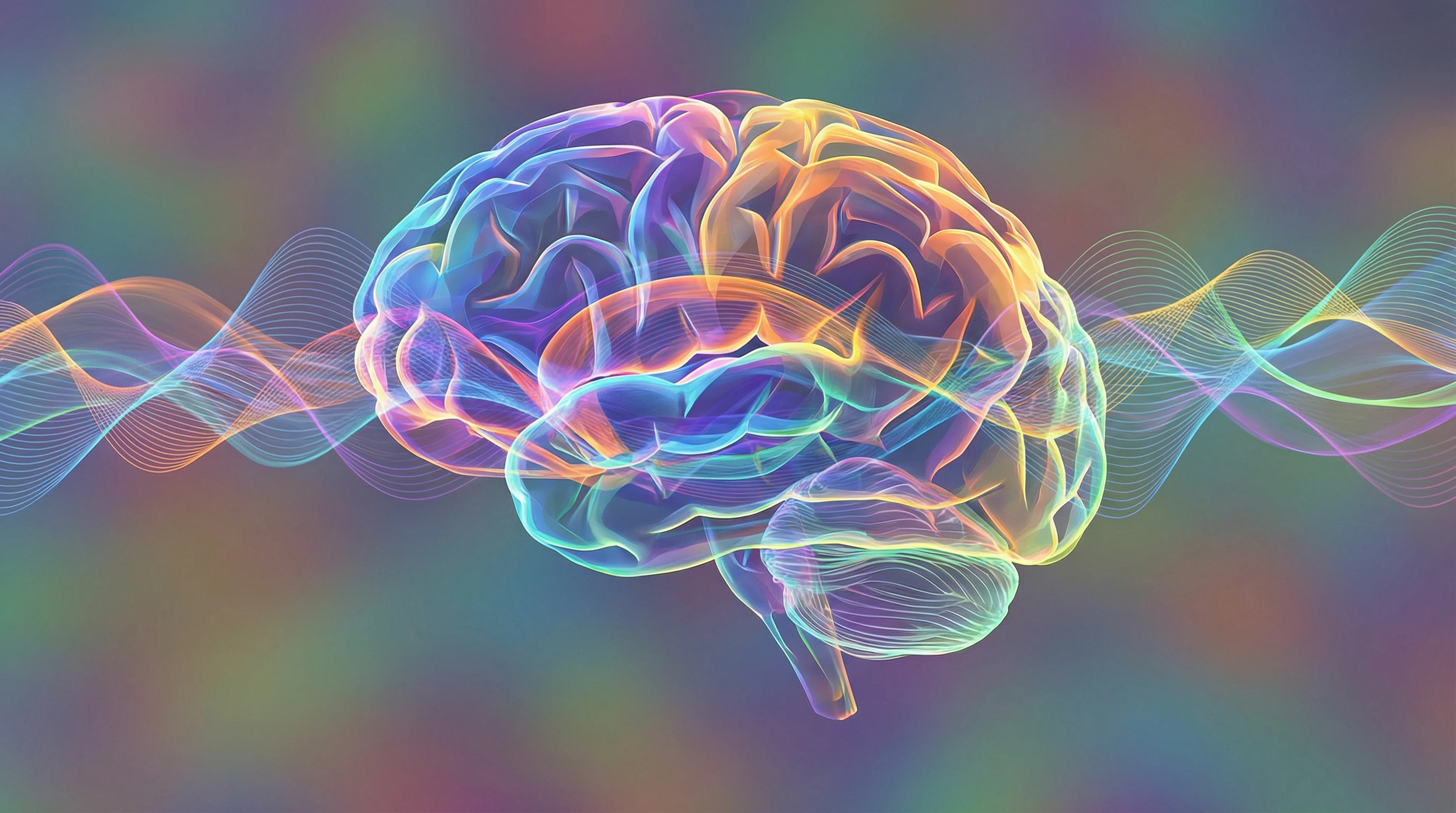
Pain is much more than just a signal sent from nerves to the brain. The brain isn’t a simple relay station. Every ache, pinch, or sting is filtered through layers of interpretation, emotion, and attention. That’s why two people with the same injury might experience pain differently based on their mental makeup and current state. Research in neuropsychology and behavioral medicine continues to show that emotions, beliefs, and coping styles have a big impact on both short-term and long-lasting pain.
The World Health Organization reports that over 30% of adults deal with chronic pain, and mental health conditions like anxiety and depression make things even tougher for many. Understanding these links can help people find better ways to manage their pain, not just with medication, but also with practical coping tools and thoughtful support. Learning the basics of how the mind shapes pain brings a lot of relief to those who might worry their pain is “all in their head.” Pain is real, and its psychological layer is just as important as the physical one.
Breaking Down the Psychology of Pain
When pain shows up, most folks focus on the spot that hurts. But the brain’s pain system is like an advanced filter, influenced by thoughts, feelings, and even past experiences. Three key psychological areas have an especially big effect on pain sensitivity:
- Attention and Focus: Zeroing in on discomfort usually makes the pain more intense, while distractions (like a good movie or a chat with a friend) can take the edge off. I’ve noticed this every time I’ve gotten a minor cut or bump. If something else grabs my attention, the pain fades to the background.
- Emotions: Anxiety, stress, and sadness can dial up pain. On the other hand, relaxation and good moods can make it seem less intense.
- Thoughts and Beliefs: People who see pain as a huge threat are more likely to feel it strongly. Worrying that pain means something terrible is going on makes it harder to handle.
The Basics: What Shapes Your Pain Experience?
I’ve found that everyone’s pain experience is personal. It depends on the mix of psychological factors at play that day. Here’s a look at some of the biggest players that shape pain sensitivity:
- Expectations: If you expect something to hurt, it probably will. Studies on “nocebo” effects show that negative expectations heighten pain, while positive expectations can trigger the opposite (the placebo effect).
- Past Experiences: People who’ve had chronic pain or traumatic injuries might feel pain more easily in the future, even from small triggers. The memory and emotion centers in the brain can make signals stronger.
- Personality and Coping Styles: Some people naturally cope with stress by distracting themselves or staying positive, while others tend to catastrophize, focusing on worst-case scenarios. Catastrophizing is linked to higher pain sensitivity.
- Social Support: Having people to lean on can make pain easier to tolerate. People without support often struggle more, both emotionally and physically.
How Emotions Play Into Pain Sensitivity
Emotional states can either ramp up or tone down how pain signals get processed. For example:
- Anxiety: Being anxious can make the nervous system more sensitive. Worries about pain or what it means can turn mild discomfort into something much more intense.
- Depression: People battling depression often rate pain as more severe and have a harder time coping with it, even when the physical cause is the same.
- Stress and Tension: Feeling tense leads to tight muscles, which can make pain sharper. Stress hormones also change the way the brain interprets pain messages.
Learning ways to handle emotions, like through relaxation training or talking with a counselor, often makes pain less overwhelming. I’ve seen a lot of folks get good results from simple breathing exercises and short daily check-ins with their mood. Journaling about feelings and tracking pain can also point out patterns and provide clues about emotional triggers.
Common Psychological Triggers and Barriers
Certain thought patterns and moods make pain harder to manage. I often spot a few common barriers that, if addressed, really help lower pain sensitivity:
- Fear of Pain: People who fear pain or avoid activity because of it may become more sensitive, miss out on life, and even make their pain worse. This is called fear avoidance.
- Catastrophizing: Expecting disaster, like thinking pain means irreversible damage, makes the brain more alert and turns up pain signals.
- Feeling Helpless: When someone believes there’s nothing they can do to change their pain, it’s easy to get stuck in a cycle of inactivity and despair, which only increases sensitivity.
Helpful Approaches for Managing Pain Sensitivity
Tackling pain isn’t about ignoring how you feel or pushing through severe pain. The trick is combining practical pain treatments with psychological tools that click for you. Here’s what I often recommend and personally put into practice:
- Mindfulness Practices: Paying attention to the present moment without judging pain can make discomfort feel less severe. Apps like Headspace or Calm are popular for newcomers.
- Cognitive Behavioral Therapy (CBT): CBT helps you spot and challenge unhelpful thoughts, and it’s got solid research behind it for chronic pain. If you catch yourself thinking, “This will ruin my day,” CBT offers ways to reframe those habits.
- Gentle Movement: Activities like yoga, tai chi, and walking come with evidence for lowering both pain and stress. Stiffness and pain feed off each other. Gentle movement can break that cycle.
- Social Connection: Spending time with people who understand your struggles, even in online groups, helps you feel less alone with your pain, making it easier to manage every day.
Extra Insights: Why the Brain’s Pain Network Matters
Getting into neuroscience, brain scans reveal that pain is processed in networks that take care of sensation, memory, and emotion all at once. The “pain matrix” covers brain spots for attention, emotion, and evaluation, not just sensation. This explains why pain can change from day to day (or hour to hour), depending on how alert, stressed, or worried you are. It also helps to explain why sometimes people report heavy pain with little tissue damage, or hardly feel pain even with an obvious injury.
Research from organizations like the American Psychological Association and the International Association for the Study of Pain continues to show that pain is a genuine, whole-person experience. Resources like the CDC Pain Resource Center and the IASP offer trustworthy info, so you don’t have to find your way through it on your own.
Frequently Asked Questions
Here are some common questions about psychological factors in pain that come up pretty often:
Question: Can you really “think” your way out of pain?
Answer: While you can’t wish pain away, changing thought patterns and using coping tools can lower pain sensitivity and make it easier to handle.
Question: Why does my pain feel worse when I’m stressed or upset?
Answer: Emotions boost the activity of pain circuits in the brain, so high stress or a down mood can make the same pain feel worse.
Question: Are there ways to make pain less overwhelming without medication?
Answer: Yes! Relaxation techniques, gentle movement, and social support all help. Plenty of people find therapy, mindfulness, and group support useful even alongside standard medical care.
Things Worth Considering if You Want to Tackle Pain Sensitivity
Addressing pain sensitivity means looking at more than just the physical symptoms. Here are a few helpful reminders to factor into your pain management plan:
- Take It Slow: You don’t need to turn your whole approach to pain upside down in a day. Trying out new coping tools bit by bit is usually more effective and less overwhelming.
- Seek Professional Help When Needed: If pain feels unmanageable, or your mood is getting worse, a psychologist with experience in pain treatment might be able to clue you into new strategies.
- Track Your Progress: Journaling pain triggers, activity levels, and moods can help spot patterns. This makes it easier to figure out what’s working and what’s not.
- Make Room for Self-Compassion: Remember, pain isn’t a sign of weakness. Giving yourself credit for each small effort helps keep you going.
Digging into the psychological side of pain gives you more tools to use, which can make all the difference when pain just won’t go away. There may not be a quick fix, but feeling some control is a really important first step.
There’s a lot going on in how people experience pain, and the mind matters as much as the body. With patience, some self-awareness, and support, folks can find ways to dial down pain sensitivity, even if it never fully disappears. If you’re dealing with pain, you’re definitely not alone, and there are practical steps that can make things more manageable day by day.