Digital therapeutics are changing how pain is managed, opening up new possibilities for folks who need more than just medication or in-person appointments. If you deal with chronic pain or are just curious about new options in tech-driven health, this space is worth watching. I’m here to give you the full scoop, from what digital therapeutics are, to what makes them work, and how you can decide if they might help you or someone you care about.
What Are Digital Therapeutics?
The term “digital therapeutics” pops up pretty often in health tech circles lately, but it’s not always clear what it really includes. Digital therapeutics, or DTx for short, are software tools or apps designed to prevent, manage, or treat health conditions. Instead of just tracking your steps or calories, digital therapeutics actually deliver treatment. Think therapy sessions, proven exercises, or medication tracking, right on your device.
In pain management, digital therapeutics bring together psychology, physical activities, personalized coaching, and smart reminders. Instead of juggling multiple appointments, people can access programs from their phones or tablets, anytime they need. According to a 2023 report from Grand View Research, the digital therapeutics market is growing fast, and pain relief is one of its most active segments (source).

How Digital Therapeutics Work For Pain
Getting pain under control isn’t always about popping a pill. Chronic pain, like lower back pain or arthritis, often benefits from a whole toolkit of solutions. Digital therapeutics usually blend a few different tools:
- Cognitive Behavioral Therapy (CBT): Guided modules help you manage stress, change your reactions to pain, and practice relaxation techniques.
- Activity Tracking: Some apps use sensors or wearables to monitor your daily movement and encourage gentle activity, which is super important for many chronic pain conditions.
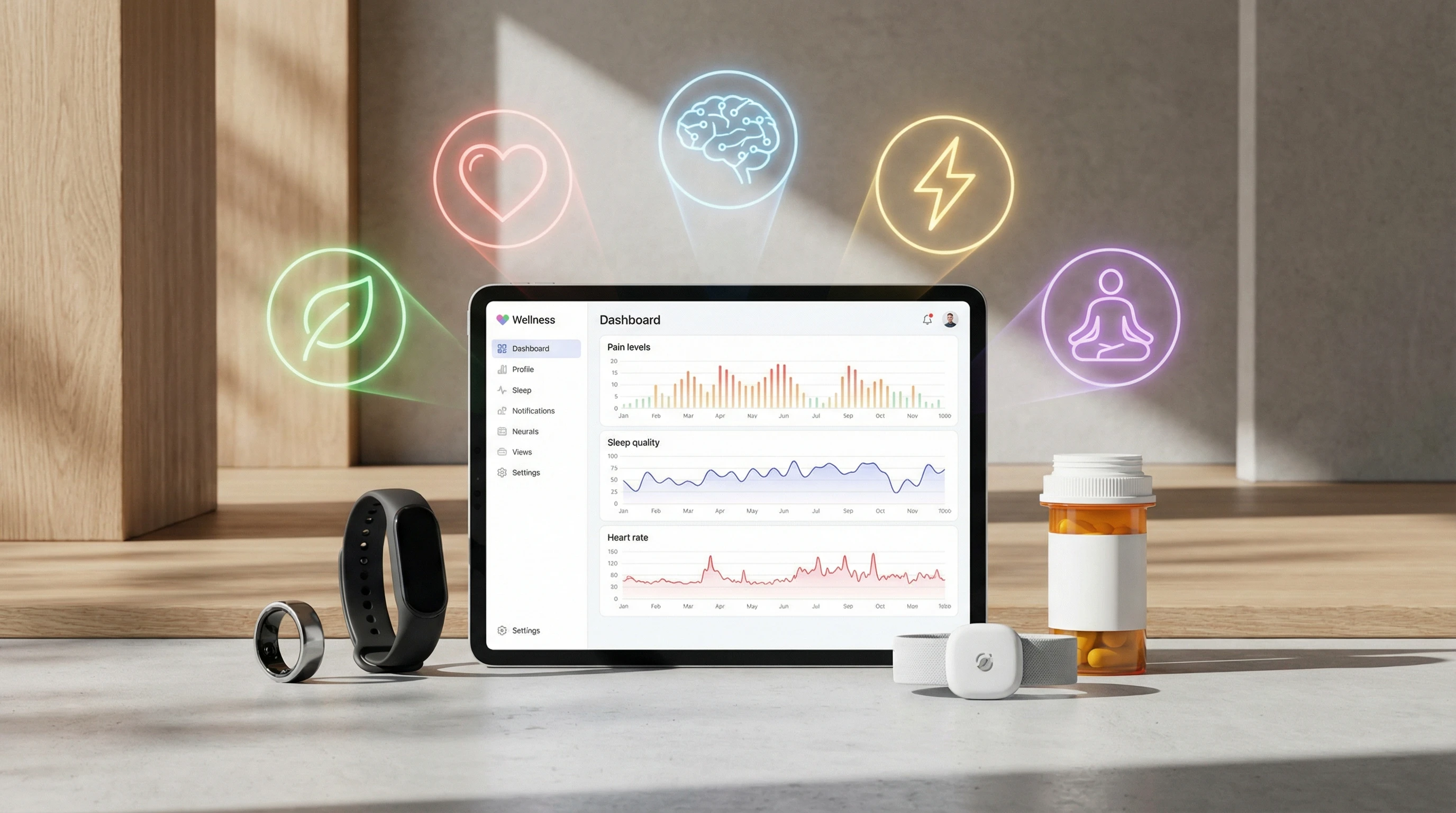
- Progress Dashboards: Users can track when they hurt most, what triggers pain flares, and what works for relief.
- Coaching and Messaging: Secure chat or reminders let users ask questions, stay motivated, and follow up between in-person health visits.
This combo gives people more control. I find it especially helpful for staying on track with therapy or exercises that are easy to skip if you’re managing pain alone.
Getting Started With Digital Pain Management Tools
If you’re thinking about using digital therapeutics, the first step is making sense of all the choices out there. Apps, programs, and devices can look pretty similar on the surface. Here’s how to cut through the noise:
- Evidence Based: Stick with platforms with research backing. The best digital therapeutics usually have clinical studies published or partnerships with hospitals and universities.
- Userfriendly Design: Look for clear instructions, easy navigation, and helpful reminders. You want a tool you’ll actually use every day, not one that adds hassle.
- Personalization: Pain is different for everyone. Good apps let you set goals and customize activities for your situation.
Some well known examples to check out include Curable for mind body chronic pain strategies, Kaia Health for musculoskeletal pain, and Branch for CBT based support. These and others are available across devices like smartphones, tablets, and sometimes even smart TVs. You can check online review sites or ask for feedback in chronic pain communities to see which apps have worked best for people with similar needs and lifestyles.
Starting Out With Digital Therapeutics: A Practical Guide
Getting started with digital pain management isn’t complicated, but having a plan helps you get the most out of it. Here’s a simple approach you can follow:
- Get a Baseline: Before starting, jot down your pain levels, any triggers, and how you cope now. Noting if certain activities, times of day, or weather changes affect you can help tailor your approach from day one.
- Pick a Trusted App: Choose a digital therapeutic with positive reviews and strong data to back up its claims. Look for companies that are transparent about their research and privacy practices.
- Follow Daily Modules: Stick with the daily or weekly lessons, exercises, or check-ins. Consistency is really important for progress, and most apps make it easy to track your activity streaks or set friendly reminders so you don’t forget.
- Track Your Progress: Use the app’s tools, or your own notes, to record good days, tough days, and new pain patterns. Watching for small signs of improvement can help you stay motivated when change feels slow.
- Connect With Your Care Team: Share insights from the app with your doctor or physical therapist, especially if you notice changes, both good and bad. They might adjust your plan or offer tips to make the tools even more effective for your needs.
Mixing digital care into your routine can be surprisingly effective, especially when you actively track what works and discuss it with your medical team. For instance, some people set a recurring calendar invite to update the app and write down notes about their pain, making it a regular part of their day.
What To Consider Before Using Digital Pain Tools
Digital therapeutics open up useful options, but they’re not a perfect fit for every situation. Here are a few things to keep in mind:
- Technology Access: You’ll need a compatible phone, tablet, or, for some, a wearable device. Not every solution works on every platform. Some tools are limited to certain operating systems or may require faster internet speeds for video instructions.
- Privacy: These apps collect health data, so choose options that offer clear privacy policies and secure data handling. Look for extra security like two factor authentication or encryption if you’re especially concerned about sensitive information.
- Level Of Support: Some folks do fine with selfguided digital programs, but others may prefer tools with more built in coaching or provider contact. Consider what style of accountability and motivation feels right for you.
- Medical Oversight: Digital therapeutics work as an add on to, rather than a replacement for, regular medical care. Always loop in your primary healthcare professional to make sure all parts of your treatment are working together safely.
Technology Access
Most digital therapeutics run best on modern smartphones or tablets and sometimes connect with wearables. Double check device compatibility before committing, especially if you’re using older tech or want access from different devices in your home. If your device is outdated, check if the developer offers a web-based version that works on your computer.
Privacy And Data Security
Not every app is clear about how your health data is stored or shared. Select platforms that are transparent about privacy and meet industry security standards, like HIPAA in the US. Reading their privacy policy before signing up is a smart move. If you’re unsure, reach out to their customer support for clarification on their data practices before you enter detailed personal information.
Blending With Medical Treatment
Digital therapeutics can help you self manage mild or moderate pain, but severe symptoms or new problems always call for direct advice from your doctor. The best digital tools even make it easier to communicate changes and progress back to your provider. Some apps offer printable summaries or instant exports that you can email to your health team.
Being realistic about what an app or digital program can offer keeps expectations on track and reduces frustration in the early days of use. Try not to expect overnight results. Instead, treat it as a gradual process, and celebrate small steps forward.

Tips For Making The Most Of Digital Pain Management
Once you’ve settled on a digital tool, a few strategies help you actually see results.
Stick With Routine: Set reminders or pair sessions with part of your daily routine, such as after breakfast or before bed, to build the habit.
Track What Matters: Pay attention to pain triggers, stress, and small wins. Even tiny improvements make a difference over time. Some apps let you mark milestones or note particular patterns you spot, which can be helpful when sharing updates with your care team.
Ask For Help: Reach out to support. Whether it’s a virtual coach in the app or your doctor, if you get stuck or discouraged, don’t hesitate to check in. Community forums for users of specific apps can also be a source of extra tips and support from people on the same adventure.
Why These Tips Matter: They help you build a foundation for progress and avoid the all-or-nothing mindset that can lead people to give up on digital health tools. Making digital self management part of your daily life works best when you give yourself permission to adjust as needed, rather than aiming for perfection right away.
Real World Uses: Where Digital Therapeutics Fit In
Digital therapeutics have a place in a bunch of real life situations:
- Chronic Back Pain: Programs with daily stretching, relaxation videos, and progress tracking make it easier to stick with long term care plans.
- Arthritis: Gentle movement modules, expert advice, and medication reminders help manage daily pain flareups. Many arthritis users appreciate having a go to exercise or pain diary they can fill out from the comfort of home and share at doctor appointments for targeted adjustments.
- Post Surgery Rehab: Guided physical therapy and postsurgery instructions can be delivered straight to your device, making at home recovery smoother. For people who struggle to make frequent trips to a clinic, this option can make a big difference in sticking to rehab goals and catching issues early.
I’ve seen people feel more motivated and less isolated when they check in each day, see improvement over weeks, and have the option to message a real person for advice. It doesn’t make pain vanish, but it definitely adds another layer of support that so many people need. As digital therapeutics options keep expanding, experts predict these solutions will continue to cover new conditions and become more personalized with advances in artificial intelligence, biometric tracking, and real time feedback that adjusts to your needs as they change.
Frequently Asked Questions
Here are a few questions I get a lot from people curious about digital therapeutics in pain management:
Q: Are digital therapeutics safe for everyone?
A: Most are designed for safety, but you should always run your plan by your doctor, especially if you have other health conditions, mobility limits, or take several medications. They can help make sure the program you pick plays well with the rest of your treatment plan.
Q: How do I know an app is legit?
A: Any tool you try should be up front about who developed it, what clinical evidence supports it, and how your data is handled. Look for programs connected to major hospitals or research centers, and check for certifications or awards for digital health that show a good track record. Reading independent user reviews and looking up the company’s background can also help you spot trustworthy options.
Q: Do digital therapeutics replace my medication?
A: These apps work alongside medication or other therapy. It’s not either/or; they give you extra resources to manage day to day pain but aren’t meant to replace prescribed treatment. Always talk with your healthcare team about any changes or improvements you notice as you add digital solutions, so they can make adjustments if necessary.
Key Takeaways For Trying Digital Pain Relief Tools
Lately, digital therapeutics are making pain management more accessible and customizable than ever. For anyone tired of waiting for appointments or needing extra support at home, these tools are worth exploring. Combining digital care with expert input can help you get a handle on pain and make living with it a little bit easier, day by day. Remember, these advances are meant to add to your medical toolkit, not replace the expertise of your health care provider. Stay curious, ask questions, and see which digital options might fit into your unique lifestyle and health goals.