Pain is a deeply personal experience. I notice that some people seem almost immune to pain, while others react strongly to even mild discomfort. This wide range comes down to more than just attitude or experience. Genetics plays a big part in shaping how sensitive each of us is to pain. Here, I’m sharing how genetics affects pain sensitivity, drawing on what I’ve come across in research and real-life situations.
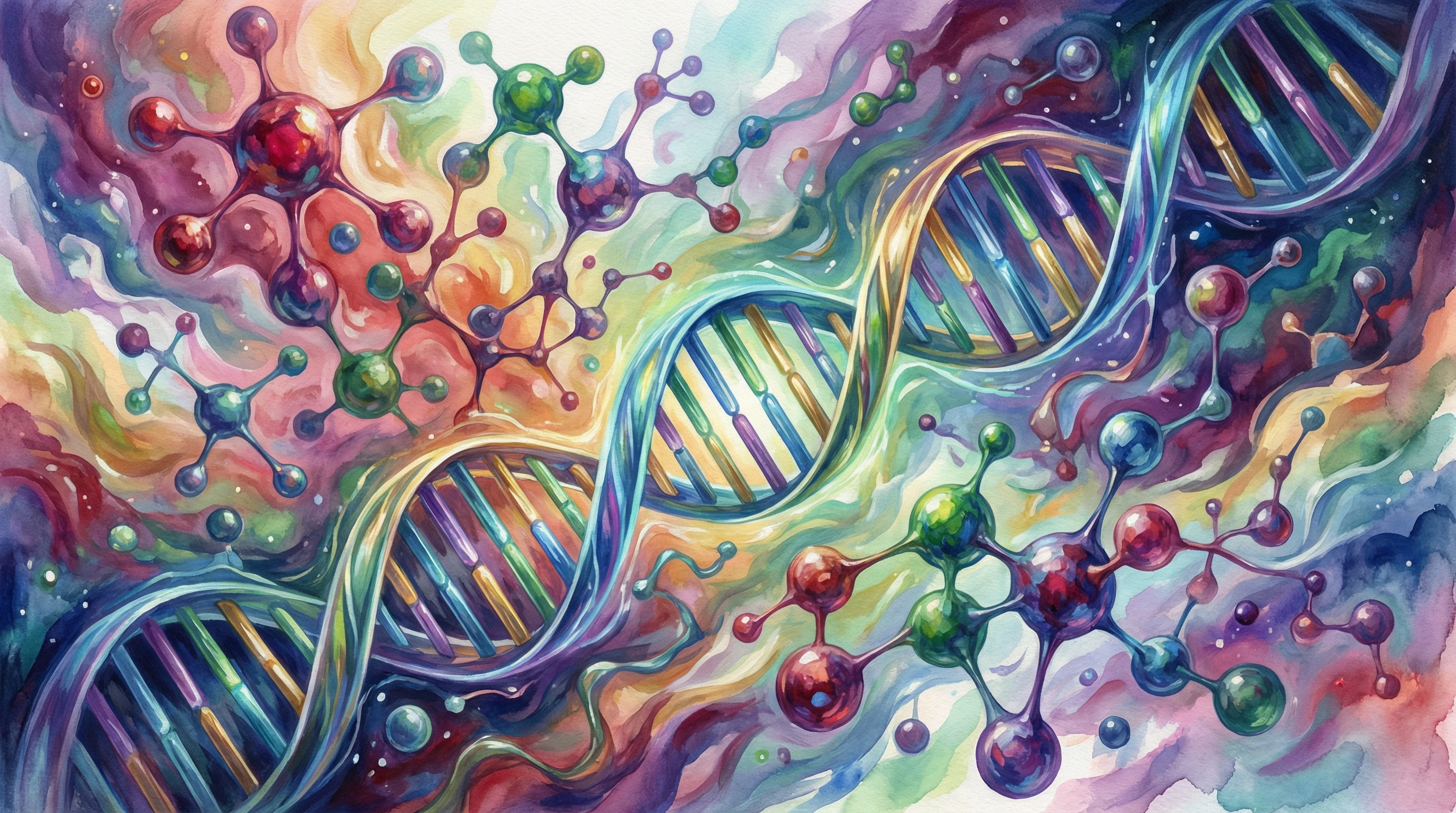
Why Genetics Matters in Pain Sensitivity
Genetics influences many aspects of my physical and mental health, pain included. When looking at why people experience pain in different ways, I keep seeing genetic variation at the center. Specific genes control how pain signals are processed, transmitted, and perceived. These genes influence everything from the structure of my nerve cells to the chemicals that carry signals between those cells.
Pain was once seen as a simple warning sign for injury or illness, but modern science shows that pain is more complex. Researchers have identified dozens of genetic variations linked to a higher or lower sensitivity to pain. For example, some people carry versions of genes that cause their nerves to send stronger or weaker pain signals. Others may have genes that change how their bodies respond to pain-relieving medications.

Understanding the Science: Key Terms and Concepts
To make sense of how my genes shape pain sensitivity, it helps to know some basic terms:
- Gene: A section of DNA that tells my body how to make a specific protein. Proteins are the building blocks and tools used by my cells.
- Polymorphism: A tiny variation in a gene from person to person. Polymorphisms often change how a gene works.
- Ion Channel: A protein in nerve cell membranes that controls the flow of charged particles. These channels affect how pain signals move through my body.
- Neurotransmitter: A chemical messenger that nerves use to talk to each other, playing a big part in how I feel pain.
- Opioid Receptor: A special protein on nerve cells that responds to natural painkillers in my body, as well as to opioid drugs like morphine.
Genetics touches every aspect of the body’s pain systems. From the very first pain signals triggered in nerve endings, to the way our brains interpret and respond, each of these steps can be shaped by the subtle quirks in our genetic blueprint. Scientists continue to check out the connections between clusters of genes and chronic pain disorders, hoping to track down patterns that could tell us why some families seem to have higher pain tolerance or unique sensitivities that others simply don’t experience.
How Genes Affect My Pain Sensitivity
The way I feel pain is shaped by several interacting genes. The most well studied ones include:
- SCN9A: This gene helps make ion channels that let sodium ions flow in and out of nerve cells. Mutations in SCN9A can lead to rare conditions like congenital insensitivity to pain, where a person cannot feel pain at all. Other changes in this gene can make me more sensitive to pain, especially chronic pain.
- COMT: This gene helps break down certain neurotransmitters involved in pain, mood, and stress. Variants in COMT are linked to differences in how people tolerate pain. Someone with a specific form of COMT might experience pain as more intense or last longer.
- OPRM1: This gene makes the muopioid receptor, which helps control pain and feelings of pleasure. Differences in OPRM1 can affect how strongly my body’s own opioids (endorphins) work and how I respond to opioid medications.
When these genes work together, or if they contain rare changes, my pain experience can shift in unique ways. Some people are born with gene combinations that make them naturally less sensitive to pain, while others are more likely to need extra help managing pain. Over time, scientists have tracked down more genes linked directly to chronic pain and even certain types of pain, such as migraine or fibromyalgia. With hundreds of genes involved, pain sensitivity is a real example of how our DNA and environment must be considered as a team.

Everyday Implications and Real World Examples
Knowing about the genetic side of pain has changed how I think about discomfort in myself and others. When a friend shrugs off a stubbed toe like it’s nothing, and someone else is laid up from a similar injury, I know that genes could explain much of the difference.
Here are a few relatable examples I want to share:
- There are rare cases where children are born with genetic changes that make them unable to feel pain at all. While this can sound appealing on the surface, it often leads to accidental injuries and serious health issues because pain is a key warning system for my body.
- Genetic information may help explain why I process painkillers differently from my neighbor. Certain genes change how fast or slow I break down medications like codeine or morphine, making drugs work better or worse for me.
- In dentistry or minor surgeries, my level of pain from the same procedure might be much higher or lower than that of someone else, even if everything else is equal. Genes are an important piece of the story.
Sometimes just knowing about these differences encourages a little more patience when friends or family react differently to pain than I do. It can also help break down the myth that those who feel more pain are weak, or those who tolerate more pain are simply “tougher.” The science still reminds me to keep an open mind when hearing others talk about their pain levels.
Simple Tips for Understanding My Own Pain Sensitivity
I can’t pick my genetic makeup, but learning about what shapes my pain response is helpful. These steps help me better understand and talk about pain with my healthcare providers:
- Notice Patterns: Keep a journal or mental notes about which pains seem worse or easier for me. These patterns often reflect genes and can be helpful to share at medical appointments. Writing down pain triggers, duration, and what helps can also give clues about whether my sensitivity is out of the ordinary compared to others.
- Ask About Family History: If several people in my family have similar pain issues, such as migraines or high pain tolerance, this might point to shared genes. Family stories and patterns are worth mentioning to my healthcare provider.
- Talk Openly: Let my doctor know if I seem unusually sensitive or resilient to pain, especially after injuries or procedures. This can guide better choices for pain relief and prevents misunderstandings about my pain experience.
- Consider Genetic Testing: While genetic testing isn’t needed for most pain issues, in some complex or rare cases, a doctor might suggest it. This usually happens if someone has extreme reactions to pain or medications that aren’t explained by other factors. If I’m interested in digging deeper, I can ask my provider how this might fit into my care.
Things to Keep in Mind When Thinking About Genetic Differences in Pain
Pain is shaped by many things. My mood, culture, upbringing, health conditions, and stress levels all influence how I feel and respond to discomfort. Even though genetics play a big role, they are just one piece of a bigger picture.
- Environment: Stress, sleep, and even weather can tweak how sensitive I am to pain day to day.
- Beliefs and Culture: The way I was taught to talk about and show pain impacts how I experience it. Expectations and beliefs can change how my brain processes pain, making it seem less or more intense.
- Previous Experiences: Someone who’s gone through a lot of painful events might react differently, no matter their genes. Past trauma or repeated exposure to pain can reshape my sensitivity long term.
I have found that knowing about both the genetic and non genetic sides makes the most sense when it comes to understanding myself or supporting someone else who deals with pain.
Opioids and Personalized Medicine
There is a growing interest among doctors in using genetic information to guide pain management. People respond very differently to opioids and other pain medications. My personal story with dental pain showed that a standard dose of pain medication didn’t do much for me, while it worked well for my sibling. After some reading, I found out that genetic variants in drugprocessing enzymes could be the reason.
This difference is why some clinics and hospitals use genetic tests to identify the best pain treatment for each person. When doctors use information about my genes, they can sometimes avoid drugs that are unlikely to work or may cause tough side effects. Personalized approaches are still emerging, but the hope is that using genetic profiles will make pain management not just more effective, but also safer.
It’s possible in the future that my genetic information will be part of my regular health records, especially when it comes to pain care. With more studies rolling in each year, there’s hope that fewer people will have to suffer through trial-and-error pain treatments that don’t help. Instead, targeted options picked using our DNA might be the new normal in many clinics before too long.
Common Questions About Genetics and Pain Sensitivity
I get a lot of questions about why my pain seems different compared to others. I’ve collected a few common ones to help you understand what variations in pain sensitivity can look like in real life.
Question: Is pain tolerance always inherited?
Answer: Genes shape a good part of my pain tolerance, but environment, attitude, and past experiences also count. Even siblings can have different pain sensitivity if they inherit different gene versions or go through different life events.
Question: Can I do anything if I have “painsensitive” genes?
Answer: While I can’t change my DNA, working with a healthcare provider helps me find pain management strategies that work. This might include medication, physical therapy, or coping techniques. Healthy habits, mindfulness, and reaching out for support also make a difference.
Question: Does everyone respond to pain drugs the same way?
Answer: Not at all. My genetic makeup affects how I process and respond to painkillers. If a medication isn’t working or causes unusual side effects, there could be a genetic reason. Sometimes trial and error is needed, but doctors are getting better at predicting these responses over time.

Genetic Insights: Shaping the Future of Pain Management
Researchers are finding more ways to use genetic information to help manage pain better. The more I learn about how genes affect my pain sensitivity, the more personalized care I can get. This could mean more effective treatments, fewer side effects, and better quality of life.
Studies now point to hundreds of gene variants that each add a small piece to the puzzle. As DNA testing gets cheaper and more available, I may soon see clinics offering more tailored pain management plans based on genetic results. Both over the counter painkillers and prescription medications may one day be prescribed based on my body’s unique blueprint, reducing wasted time on trial and error and cutting down on unwanted side effects. This gives hope for people struggling with chronic pain who haven’t found relief in the past.
Learning about the genetics of pain has helped me understand my own experiences and those of people close to me. It’s a reminder that everyone’s pain experience is unique, shaped by a mix of DNA, environment, and life history. The next time I wonder why pain feels different to different people, I’ll remember: genetics is a big part of the answer, but not the whole story. Listening, understanding, and empathy remain just as important as the science itself.