If you’re someone who lives with chronic pain, or maybe you just want a better way to track aches after exercise or an injury, wearable tech that monitors pain perception is starting to look pretty promising. These gadgets are getting smarter every year, helping people and their doctors keep a closer eye on how pain changes over time and what factors affect it. I’m going to walk through how these wearables work, the types you’ll find, simple ways to get started, plus some things worth thinking about before adding one to your routine.
Why Wearable Tech for Monitoring Pain Is Worth Checking Out
Pain is tricky. It changes from day to day, or sometimes hour to hour, and two people might have completely different experiences with the same injury or condition. Traditional ways of measuring pain, like questionnaires or pain scales, are helpful but don’t always give the full picture. That’s where wearable tech steps in.
Wearables pack in sensors that measure real time signals from the body, like changes in skin temperature, heart rate, or muscle activity. Some advanced devices use artificial intelligence (AI) to spot patterns, such as spikes in pain intensity, or track how pain lines up with your daily activities or sleep. People with chronic pain conditions, athletes, or anyone dealing with recurring discomfort are starting to find these tools pretty handy for uncovering patterns and sharing that data with their healthcare team for better treatment decisions.
Tapping into all this info isn’t just about collecting numbers, it’s about helping people explain their pain better and maybe even spotting triggers that can be avoided or managed. The point is to give users more control over their health, not just react when pain flares up.

Getting Started with Pain Tracking Wearables
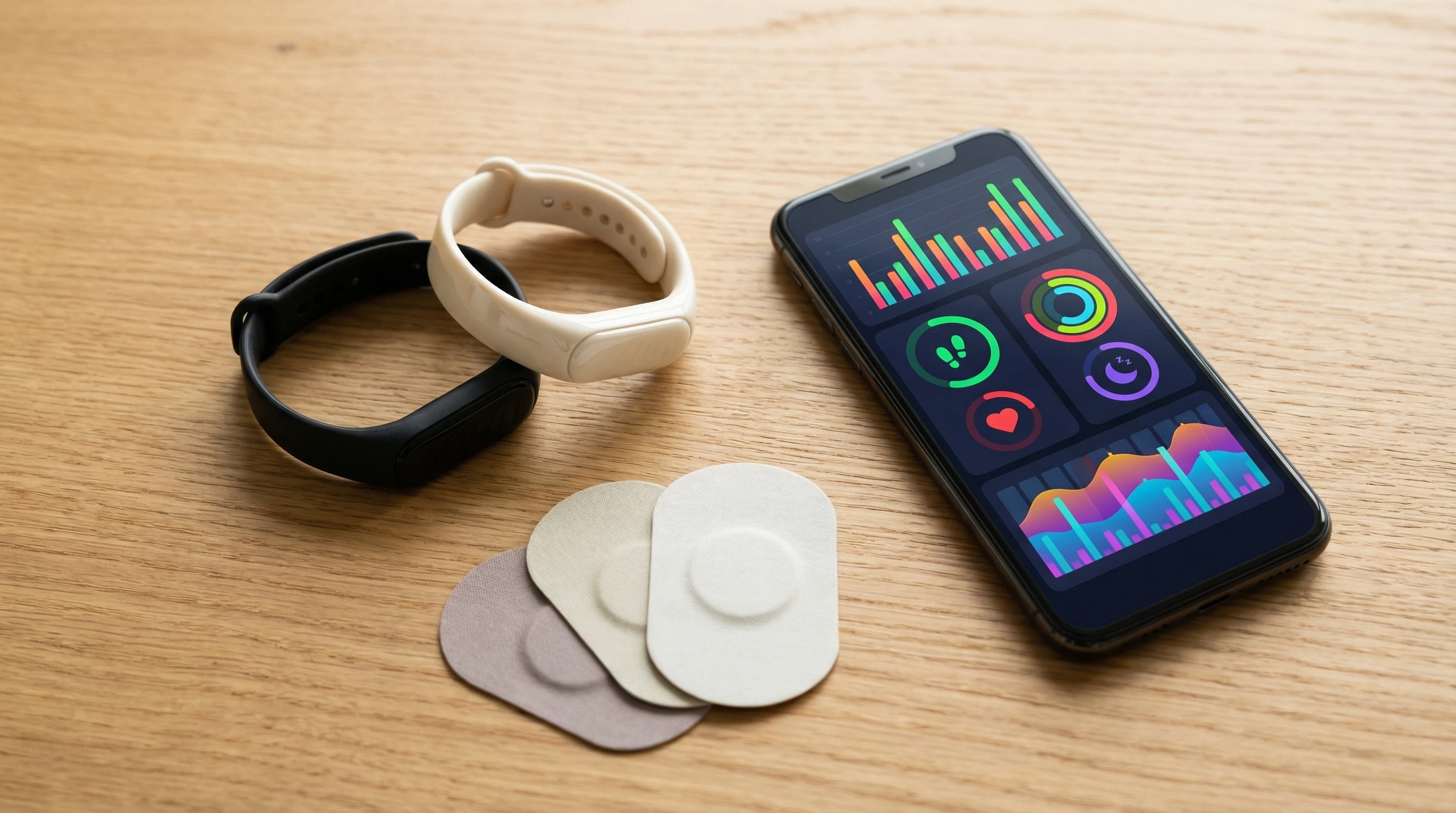
Kicking off with wearable pain trackers doesn’t have to mean investing a fortune. There’s a range of devices out there, from simple fitness bands that track basic stats to specialized gadgets focusing directly on nerve signals and pain indicators.
Here are a few terms you might see connected to wearable pain monitoring:
- Electromyography (EMG): These sensors check for muscle activity, sometimes picking up on the subtle changes that happen when pain is present.
- Galvanic Skin Response (GSR): Think of this as tracking how sweaty your skin gets, which can point to spikes in stress or discomfort.
- Heart Rate Variability (HRV): This stat is closely tied to how your body handles stress and pain, basically looking at the timing between heartbeats and how it changes under different conditions.
- Temperature Sensors: Shifts in skin temperature can sometimes point to inflammation, which is a common source of pain.
Basic fitness trackers and smartwatches now often pack some of these features, but there are also more targeted wearables showing up designed just for pain monitoring. It’s all about looking for one that fits both your needs and your budget.
Step by Step Guide: Using Wearable Tech for Pain Tracking
It’s easy to get set up with most wearable paintrackers. Here’s a quick way to get started, even if you’ve never used one before:
- Pick Your Device: Go for something that feels comfy and offers the features you’re after. Some prioritize basic tracking, while others offer detailed nerve signal analysis.
- Download the App: Most wearables sync up with a companion app on your phone, where you’ll log your pain levels and check data trends.
- Wear Regularly: Try to wear your device consistently, at least during the hours when your pain tends to spike, or overnight if that’s when issues pop up.
- Track Events: Use the app to log activities, moods, or anything else that might affect your pain. Even noting changes in weather can help spot unexpected triggers.
- Share Reports: Many apps let you export pain reports, which you can show to your healthcare provider for more informed discussions and adjustments to your treatment plan.
This easy approach helps you make sense of your pain patterns instead of just reacting to flare ups, and it gives you something concrete to talk about with your doctor.
What to Think About Before Buying a Pain Tracking Wearable
While high tech solutions are exciting, it’s smart to keep things practical. Not every wearable is right for everyone, and there are a few real world hurdles to keep in mind when picking out pain tracking gear.
- Accuracy: No gadget can tell you exactly how much something hurts. Most wearables measure things linked to pain, like stress or muscle tension, but that doesn’t always match up perfectly with how you actually feel.
- User Comfort: Some devices use sticky patches or bands that you wear all day. If you have sensitive skin or hate wearing bracelets, make sure the device fits your comfort zone.
- Battery Life: More advanced devices can need charging every day. If you know you’re not likely to keep up with this, pick one with longer battery life.
- Data Privacy: Your pain data is really personal, so look into what info the device collects and how it’s stored or shared, especially if medical records are involved.
- Price: Some high end trackers can get expensive fast, while simpler options (like standard fitness bands) are more affordable but might offer fewer features.
Accuracy and Limitations
Wearables use sensors to catch physical signs that sometimes go with pain, but pain itself is a deeply personal experience. While wearables are getting better, there could still be gaps between what the data shows and what you actually feel. That’s something you’ll want to discuss with anyone on your care team if you’re using a tracker to help manage medical conditions.
Comfort and Ease of Use
If a wearable annoys you, chances are you’ll just stop using it. Before spending money, it’s smart to read reviews about comfort or try a demo unit at a store. Also, check if the companion app is easy to use; nobody wants a complicated setup when they’re already dealing with pain.
Battery Life and Charging
Frequent charging can be a hassle, especially with advanced wearables that record lots of data. If you want something for daily tracking, look for options with at least a few days of battery life per charge. Some pain patches use disposable batteries and need to be replaced every few weeks instead of plugged in.
Privacy and Security
Pain data isn’t just personal, it can get pretty sensitive. Make sure you know how your information is stored and who can access it. Reliable brands put out their privacy policies and let you control sharing settings in the app. For those working with doctors, check if your data integrates with electronic medical records securely.
Cool Features in the Latest Pain Tracking Wearables
The newest pain monitoring devices go far beyond counting steps. Some have machine learning algorithms that can spot trends and alert you or your doctor about those patterns. Others sync with medication reminders or let you track pain alongside sleep, diet, or mental health tools.
- AI Powered Insights: Devices that use artificial intelligence to flag pain spikes or suggest connections between your activities and pain levels.
- Biofeedback: Some wearables offer tiny vibrations or other cues to nudge you into relaxation exercises if your stress or pain indicators climb too high.
- Integrations with Smart Home or Health Tools: A growing number of wearables now connect with apps like Apple Health or Google Fit, making it simpler to manage all your health data in one place.
- Remote Monitoring: A few specialized gadgets even let doctors check in on your pain levels remotely (with your okay), so they get a better sense of how you’re doing between appointments.
For those who are tech-savvy or like trying out the latest, these features can really give a boost to your pain management routine. But even basic wearables with step tracking and heart monitoring are a practical first step.
How Wearable Tech for Pain Monitoring Shows Up in Real Life
These devices aren’t just used for research or fancy clinics anymore. I’ve chatted with runners recovering from injuries who use smart bands to make sure they don’t push too hard too soon. Friends with fibromyalgia like the gentle reminders in some wearables, which help them pace their days and avoid burnout. Healthcare teams working in pain clinics are starting to rely on this stream of data to match people with treatments that make a difference.
- Chronic Pain Management: Wearables help spot routines or lifestyle changes that might soothe discomfort for people with conditions like arthritis, back pain, or migraines.
- Injury Recovery: For anyone rehabbing a sports injury, keeping tabs on muscle tension and heart rate variability can help guide return to activity plans and avoid setbacks.
- Daily Wellness: Even those dealing with stress headaches or occasional aches can use wearable data to tweak things like sleep or screen habits for better comfort over the long run.
If you have a specific concern—like migraines getting worse during certain weather, or muscle pain that only appears after a particular activity—using a wearable to track that info can help you and your doctor spot things you might have missed otherwise. Plus, having historical data in-hand can speed things along at medical appointments, since you’ll both have a clearer map of what’s been happening with your pain over time.

Frequently Asked Questions
Here are a few questions people often have when thinking about wearable pain monitoring tech:
Question: Can a wearable really tell how much pain I’m in?
Answer: A wearable doesn’t know exactly what your pain feels like, but it can track patterns in things linked to pain, like muscle activity or changes in your skin. It’s best used as a tool to spot trends or triggers.
Question: Are these devices covered by insurance?
Answer: Standard fitness trackers usually aren’t, but a few specialized pain management devices might be, especially if your doctor recommends them as part of your treatment. It’s worth double checking with your provider.
Question: Do I need something fancy, or will a fitness tracker do?
Answer: For basic tracking, a fitness band or smartwatch with heart rate and sleep tracking is a good start. If you need more advanced features (like EMG for muscle monitoring), look for a device designed specifically for pain monitoring.
Wrapping Up
Wearable tech for pain tracking is starting to reshape how people approach day to day pain management. Even though it doesn’t replace honest conversations with your doctor or therapist, the real time insights can be super useful for tweaking your routine, explaining your pain more clearly, or even finding out what works best for you. Taking the time to find a wearable that fits your lifestyle, comfort, and privacy needs pays off, especially if you’re on a path to feeling better and staying proactive with your health. With advances happening quickly, it’s a good time to check out wearable tech if you want something extra in your toolkit for managing pain.