Feeling less pain after taking a sugar pill sounds pretty odd, but that’s exactly what happens during the placebo effect. It’s an interesting example of how the mind and body are much more connected than most people think. In this article, I’m going to unpack why the placebo effect has a real impact on how we actually feel pain, even when nothing biologically “active” is happening.
Understanding the Placebo Effect and Subjective Pain Relief
The placebo effect shows up pretty often in medicine, and it’s especially obvious when folks are dealing with pain. At its core, the placebo effect is all about the real physical or psychological improvements someone notices after getting a treatment that doesn’t contain any active substance, like a sugar pill or saline injection.
Experiencing less pain during these so-called “fake” treatments isn’t just in someone’s imagination. The pain feels less intense to them, and that’s what matters in daily life. This effect is a big deal in clinical trials, where researchers use placebos to measure if a new treatment actually works better than just expectations alone.
When it comes to subjective pain, think headaches, sore muscles, or chronic back pain, the placebo effect can lead to real changes in how unpleasant these sensations feel. This happens even when the actual cause of the pain (like inflammation or an old injury) stays the same. For example, someone with persistent lower back twinges might notice their pain dulls down significantly after a placebo treatment, even though the strain hasn’t truly healed. This sort of subjective relief matters in everyday life, helping people stay positive and able to function at work or home.
What Really Drives the Placebo Effect in Pain?
The big question is: why does the placebo effect reliably change subjective pain? It boils down to how our brains react to expectations and beliefs about what might happen. Pain isn’t just a straightforward physical signal. It’s a combination of nerve signals, thoughts, emotions, and even past experiences.
- Expectation: If I’m told a pill will help my pain, my brain gets ready to notice improvement. These positive expectations actually shape future experiences.
- Conditioning: After getting real pain relief from past treatments, the brain can start linking the act of taking any pill with relief, almost like a Pavlovian dog expecting food at the ring of a bell.
- Attention and Focus: When attention is shifted away from pain, or toward improvements, a person may feel less discomfort.
- Belief in the Care Process: Surveys indicate that simply being listened to and given attention by a caring professional can cause people to report less pain even before actual medication begins. The ritual of care triggers hope and boosts self-healing effects.
How the Brain Alters Subjective Pain Through Placebos
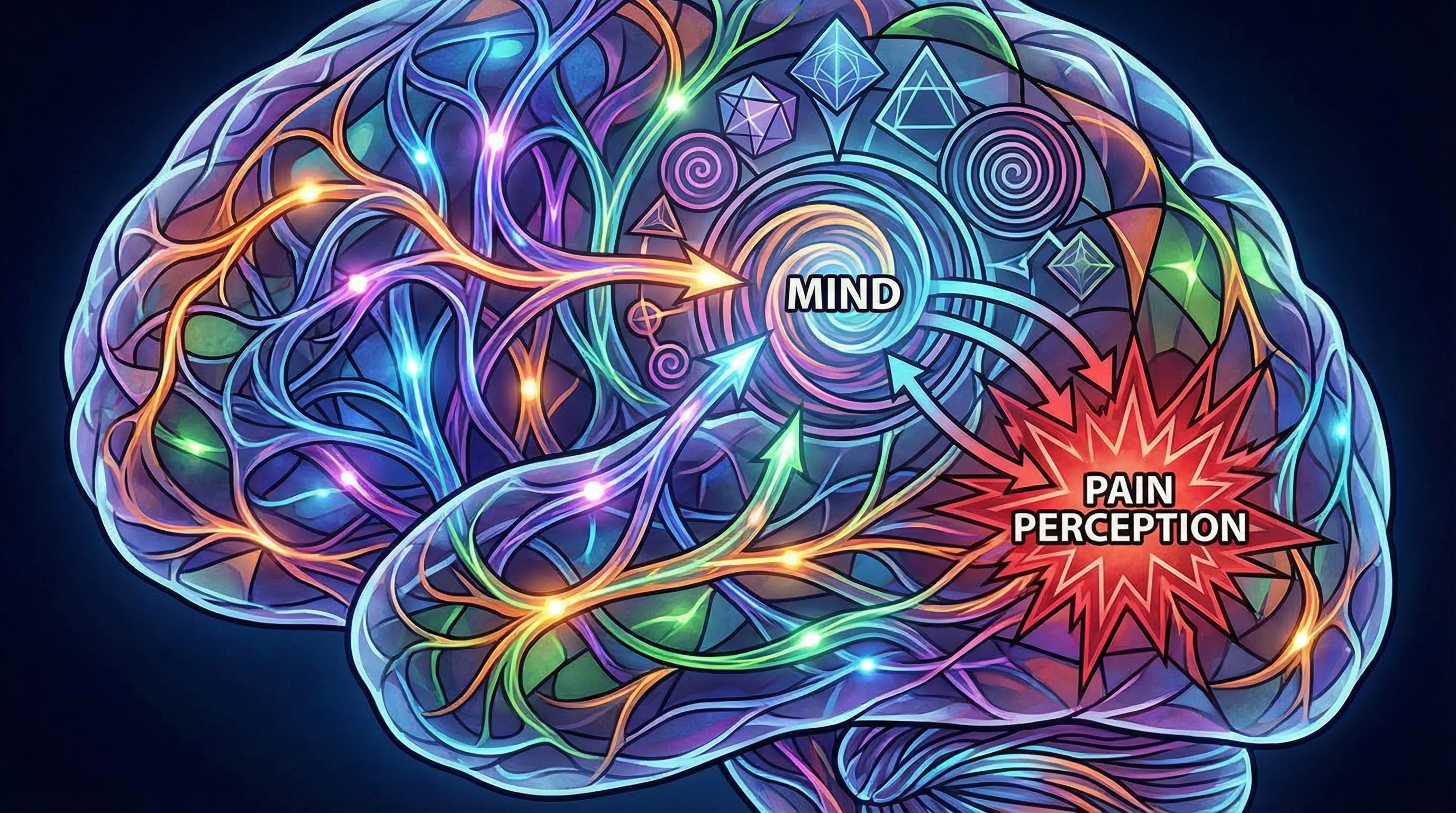
Neuroscience research sheds some light on what happens in the brain. Placebos can cause the release of natural chemicals called endorphins, basically the body’s homemade opioids. These chemicals are responsible for pain relief and feelings of pleasure. MRI brain scans have also shown that believing in a treatment can change activity in brain regions linked to pain processing, like the prefrontal cortex and the anterior cingulate cortex.
This might sound high-tech, but here’s what it means in simple terms: when someone thinks they’ve received effective treatment (even if it’s a placebo), their brain literally turns up the body’s built-in pain relief controls. In studies, when people got a placebo painkiller, their bodies sometimes reacted as if they’d taken an actual, powerful painrelieving drug.
It’s fascinating that these brain changes are measurable. For example, functional MRI scans capture reductions in “pain signature” brain activity in people who report less pain following a placebo. In some cases, patients given placebos before a minor surgery or dental procedure needed less anesthesia, with their brains signaling genuine pain dampening.
First-Hand Experiences with Placebo Effects
I’ve personally seen how powerful expectations are, especially when talking with people who deal with different kinds of pain. One friend once participated in a study where she received what she thought was an experimental new pain medication for her chronic headaches. For weeks, her pain levels dropped. Later, she found out she had only been given sugar pills, but the relief she felt was completely real to her at the time. Stories like hers aren’t rare. Many people who join studies notice real changes, even without active treatment.
Researchers have also documented placebo responses in settings like dentist offices and physical therapy clinics. Sometimes just the act of being cared for in a professional, supportive environment is enough to shrink pain sensations, even before a real treatment gets started. These stories highlight why healthcare providers are encouraged to be supportive and encouraging, since the “placebo context” can quietly give a big boost to someone’s overall well-being.
Why Placebos Don’t “Cure” the Underlying Cause
It’s worth noting that while placebo effects change how pain is perceived, they don’t usually change the actual underlying cause. For example, a sugar pill won’t reduce swelling, heal a fracture, or fix an infection. Placebos usually help with the experience of pain, not with the tissue damage itself.
This is why subjective pain relief through placebo is mostly about making discomfort more manageable, rather than achieving a full cure. The brain’s power to dial down pain signals is pretty handy, but relying on placebos alone for serious conditions can lead to problems if it delays real medical help. For instance, someone dealing with joint pain due to arthritis might feel better for a while on a placebo, but without real anti-inflammatory treatment, the damage keeps building up.
Points to Think About: Why Placebo Effects Vary
Not everyone feels the same level of placebo pain relief. Here are some things to consider when thinking about why people respond differently:
- Prior Experiences: People who’ve experienced real relief from treatments before are more likely to get a strong placebo response.
- Personality: More optimistic people, or those who trust their healthcare provider, sometimes get bigger placebo benefits.
- The Way Treatment is Presented: Placebos work best when delivered in a reassuring, confident way. A doctor’s warmth and attention can boost the effect.
- Type of Pain: Chronic, subjective pain (like low back pain or tension headaches) is most likely to respond, while acute, obvious tissue injury (like a broken bone) responds less often.
- Social Environment: Support from loved ones, positive reinforcement, or the atmosphere in a clinic can make people more sensitive to placebo effects. Loneliness, anxiety, or mistrust may weaken placebo power.
Different Types of Pain and the Placebo Response
Some pains are more affected by the placebo effect than others. Chronic pain, which includes long-term issues like fibromyalgia or irritable bowel syndrome, often shows stronger placebo responses. Short-term or injurybased pain (like spraining an ankle) usually doesn’t respond as much, since the physical cause is more obvious to the person experiencing it.
It’s also important to remember that psychological pain, such as sadness or stress-related aches, can be even more susceptible to placebos compared to physical injury pain. This difference hints at just how many ways our thoughts shape what hurts and what gets better.
The Role of Culture and Context
How people view healthcare, medicine, and suffering also shapes how much relief they feel from placebos. In cultures where there’s strong faith in medical treatments or in the person delivering them, placebo effects can be even more noticeable. The entire setting, from the white coats to the ritual of taking a pill, all add up to shape expectations and outcomes. Even the color and size of placebo pills have been shown to make a difference—large, brightly colored tablets may “seem stronger” and trigger bigger effects.
Pitfalls to Watch For: Where Placebos Fall Short
- Misleading Results in Studies: Sometimes, high placebo responses in research can make it harder for real treatments to show their benefits.
- Delaying Proper Care: Believing too much in placebos for serious conditions can lead to delays in getting treatment that truly addresses the root problem.
- Ethical Issues in Care: There’s still some debate among doctors about whether or not it’s okay to use placebos intentionally, especially without telling the patient.
- False Hope: Sometimes, people feel disappointed or even betrayed if they learn they were given a placebo instead of real medicine, leading to issues of trust with their care team.
Advanced Insights: Neuroscience and Placebo Pain Relief
Looking into the details, scientists have figured out lots about how neurotransmitters and brain circuitry play a part. The brain can actually mimic the effects of prescription painkillers through belief and expectation. Endorphin release is one piece of the puzzle. Placebo treatments can also adjust neurotransmitter activity, like dopamine, that influences mood, motivation, and how intensely pain is felt. Some studies even show that blocking endorphins in the body (with drugs like naloxone) can reduce placebo-related pain relief, which is evidence that these feel-good chemicals are really involved.
It’s wild to think that a harmless, inactive treatment can trigger the same pathways as real medications, all based on what someone expects or believes will happen. The body, in a way, can “hack itself” and change the way pain gets processed and remembered. This self-healing bonus might explain why even open-label placebos, where people know they aren’t getting real medicine, still sometimes provide benefits, as belief alone turns on those pain-relief switches in the brain.
Common Questions About the Placebo Effect in Pain
These are some typical questions that come up when people first learn about the placebo effect and pain relief:
Q: Does the placebo effect ever fully remove pain?
A: It can sometimes bring big improvements, but usually there’s still a bit of discomfort left over; placebos usually help make pain more manageable, not erase it totally.
Q: Are there risks with relying on placebos for pain?
A: Placebos usually don’t harm people directly, but trusting them for serious or dangerous conditions instead of real treatments can lead to trouble later on.
Q: Can someone “train” themselves to feel placebo effects?
A: There’s some early research on using mindfulness or conditioning techniques to increase the power of expectations, but responses can still be pretty unpredictable. It’s possible to practice positive self-talk or visualization, but there’s no guaranteed way to “coach” a strong placebo response all the time.
Why the Placebo Effect in Pain is Worth Paying Attention To
Understanding the placebo effect opens the door to a more complete approach for pain care, one that takes into account beliefs, expectations, and the relationship with healthcare professionals. It doesn’t replace medical science, but it’s a super important part of how pain is experienced and managed. Learning how it works helps folks speak up for more compassionate, open-minded pain management strategies. And it’s a reminder that sometimes, what we think and feel shapes our bodies more than we realize.
Always talk with a qualified healthcare provider when managing pain or considering treatment options, and don’t hesitate to ask questions about what’s being offered or why. Staying informed helps put power back in your hands; placebo perks included!