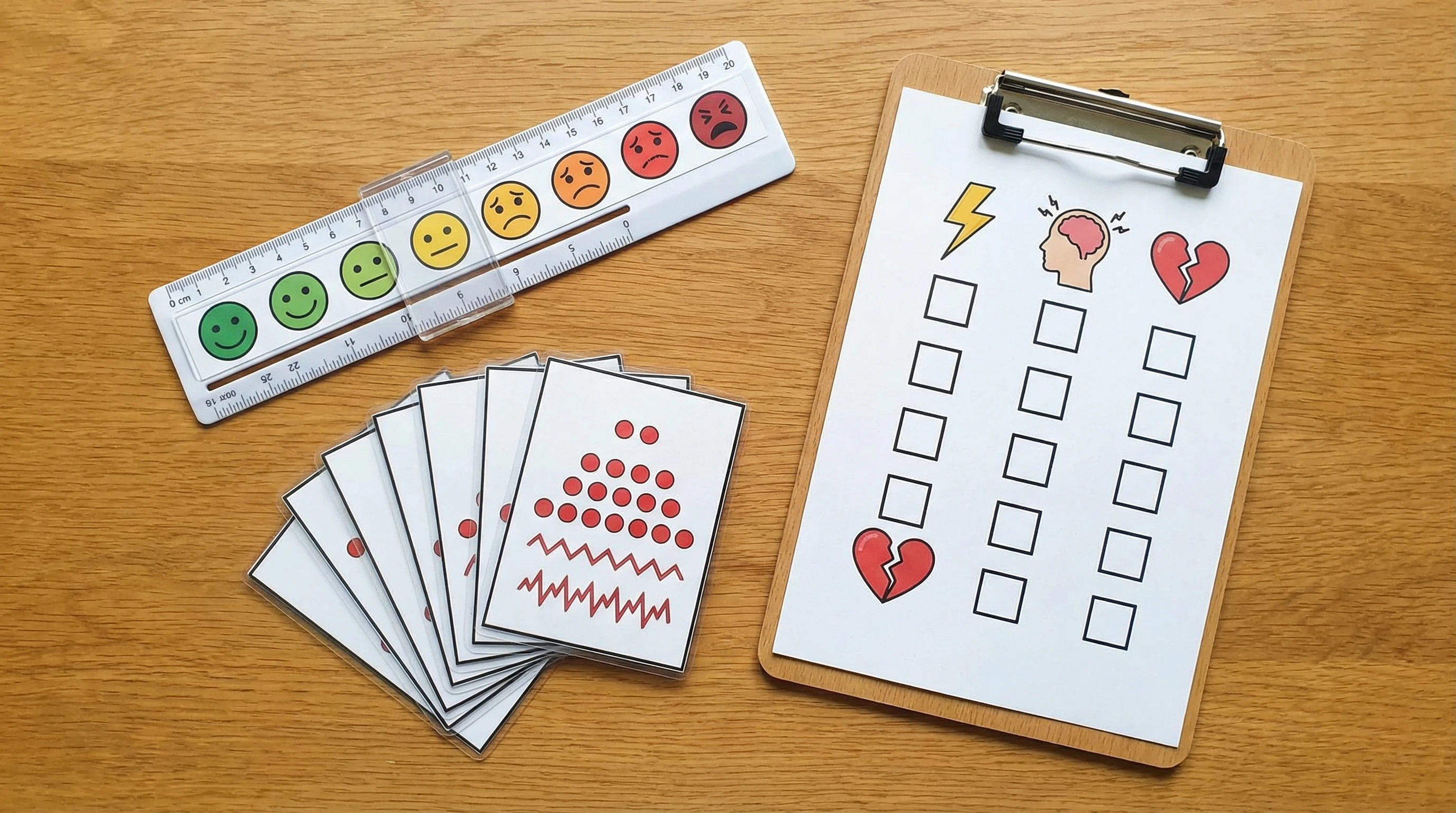
Pain is personal and can be difficult to describe. Measuring my pain or someone else’s pain isn’t as straightforward as taking a temperature. Tools have been made and checked by researchers and doctors to help me put pain into words and keep track of it over time. Reliable ways to measure pain help guide treatment, follow changes, and compare findings in research. Here, I’m sharing the most trusted and well-known pain measurement scales for adults, what sets each apart, and what matters when choosing among them.
Why Measuring Pain Matters
I’ve seen how pain appears in different forms, from sharp stabs to dull aches, and it can come and go or linger for days. Health professionals use pain measurement tools because pain itself can’t be measured directly. These scales help both me and my care team speak a common language about how strong my pain is. They come in handy before, during, and after getting care. Keeping track of pain with the same tool over time is important for noticing patterns, seeing what’s effective, and making decisions about what to try next.
Understanding the Basics of Pain Scales
Pain measurement scales come in several styles, each asking me to describe my pain in a different way. Some ask for a single number, others use faces or color pictures, and some go further by exploring how pain touches different parts of my daily life. Researchers spend plenty of time checking that these tools give reliable answers across people of all ages, backgrounds, and health conditions. When a tool is validated, it means it’s been shown to work well in real-life studies for adults like me.
- Unidimensional Scales: These focus just on how intense pain feels. Examples include numbered lines and visual analog lines.
- Multidimensional Scales: These look at intensity plus the impact on things like movement, sleep, feelings, and activities.

Popular Validated Pain Scales for Adults
There are several pain scales well-supported by research. Each has strengths and some downsides. The choice depends on where I am, my needs, or my care team’s approach. Here are some of the most respected tools I’ve seen in practice:
- Numeric Rating Scale (NRS): This go-to scale runs from 0 (no pain) to 10 (worst pain I can imagine). I often use this one for its speed and simplicity, especially at clinic appointments, and it’s a staple for studies. Source
- Visual Analog Scale (VAS): The VAS has a straight line, usually ten centimeters long, with “no pain” on one end and “worst pain” on the other. I mark my pain spot and the distance to it is measured. It’s more detailed for those who want extra nuance, but not everyone finds it easy to use, especially if marking a line is tough. Source
- Verbal Descriptor Scale (VDS): This scale has a set of words or phrases like “no pain,” “mild,” “moderate,” “severe,” or “very severe.” I simply pick the word that matches how I feel, which is great if I find numbers or lines confusing.
- McGill Pain Questionnaire (MPQ): This scale digs into the quality of pain by asking if it’s burning, stabbing, throbbing, and more, plus location and changes. It’s more thorough and takes longer, but creates a super detailed pain profile. The brief version, SF-MPQ, is also widely used. Source
- Brief Pain Inventory (BPI): BPI covers intensity plus how pain messes with daily life, mood, sleep, and relationships. It’s especially known in cancer clinics but is handy for chronic pain too. Source
- Wong Baker FACES Scale: Designed for kids at first, but adults use it too if putting pain into words or numbers is hard, such as for people with low English literacy or cognitive decline. The patient picks a face matching their pain.
Getting Started With Pain Scales
Using these tools shouldn’t be stressful. Here’s how I get the most accurate readings:
- Choose the Right Scale: I stick with one I can use easily, and sometimes my care provider helps pick one for me.
- Stay Consistent: Using the same scale makes it possible to spot changes in pain over time, whether pain drops, holds steady, or gets worse.
- Mention What’s Happening: If I’m rating pain, I say what I was doing (resting, walking, after a medication) since that can change the score.
Factors That Can Change Pain Ratings
Pain is complex and several things can affect how I rate it. Being aware helps my care team and me avoid misunderstandings:
- Emotions: Feeling anxious or upset might lead me to rate my pain higher.
- Fatigue: When I’m tired, pain often feels more intense.
- Cultural Background: Traditions can affect how open I am about pain, or which scale feels right.
- Language or Cognitive Issues: For people with memory or understanding difficulty, simpler tools or extra help make sense.
The Numeric Rating Scale (NRS)
I usually stick with the NRS when a quick answer is needed. It’s fast and easy to use for nearly all adults, whether I live with short-term pain or a long-term health problem.
The Visual Analog Scale (VAS)
The VAS is a more visual method to capture tiny changes in pain level. I make a mark to show how I feel. Some love it for its clarity, but it may not work well for everyone, especially those with vision or movement challenges, or if digital tools are the only option.
The McGill Pain Questionnaire (MPQ)
This well-known questionnaire paints a broader picture, diving into the way pain feels beyond just the intensity. It’s especially powerful for understanding tricky or complex pain, and its use in research means my results can be compared with those from large studies.
The Brief Pain Inventory (BPI)
The BPI is best if pain is making life harder, like messing with my ability to work or enjoy downtime. It asks how pain touches many parts of my routine, so doctors know exactly what’s being impacted over time. BPI scores guide treatment choices, especially for difficult chronic pain.
Tips for Using Pain Scales Effectively
Getting the most out of a pain scale is about clear, honest communication. Here are reminders I use:
- Honesty is key—no right or wrong answer exists.
- Explain if pain changed with posture, movement, or over the day.
- If a tool isn’t working, let the care team know so I can try another.

Frequently Asked Questions About Adult Pain Scales
Question: Can more than one pain scale be used together?
Answer: Definitely. Sometimes I use a quick number scale plus a longer survey for context. This helps create a well-rounded understanding, especially if my pain is complicated or keeps changing.
Question: How often should pain be rated?
Answer: It depends. Right after starting new medicine or therapy, daily or even multiple ratings in a day help spot trends. With ongoing pain, once a week or during scheduled appointments can make sense.
Question: What if my pain ratings aren’t consistent?
Answer: Everyone’s pain varies. Activity, treatments, or emotional stress can all play a role. Recording ups and downs over days or weeks helps my doctors see the full picture.
How Pain Scales Help in My Health Adventure
Pain tracking tools won’t take away the pain, but they help me share my story and get the right help. Using trusted scales gives me and my doctors the ability to respond quickly and tweak treatments as my symptoms change. If I’m not sure which tool fits best, I always ask my healthcare provider for advice. What matters most is using these tools to make sure pain control and quality of life stays front and center—and that I always have a say in my own care.