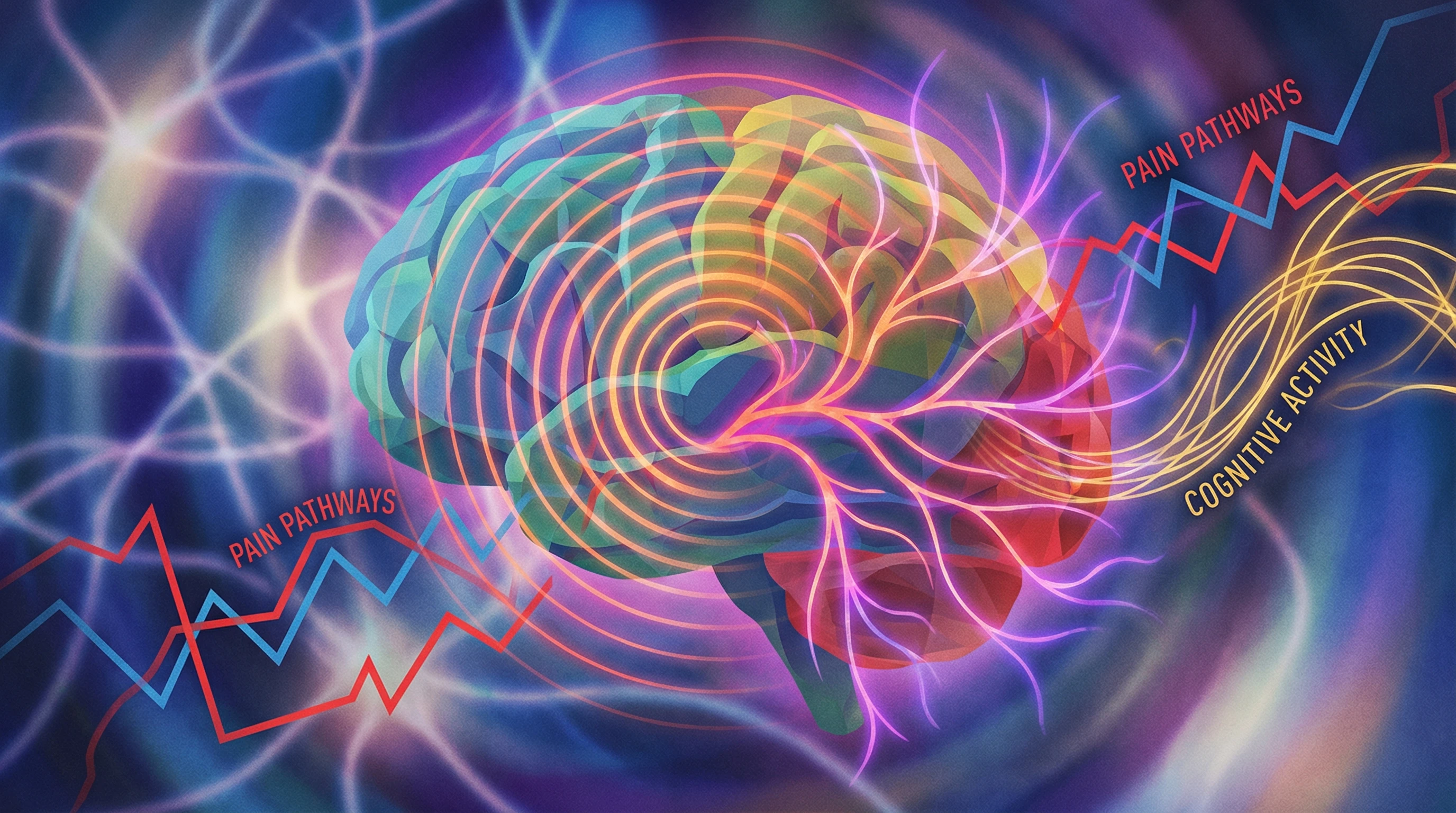
Cognitive bias can play a big role in how I experience chronic pain, and this goes beyond just the physical discomfort. The way my mind perceives and interprets pain is influenced by personal beliefs, moods, past experiences, and subconscious patterns. When pain becomes a regular part of life, these mental shortcuts often affect how I rate my pain, how I react to it, and what kind of coping strategies I use. In this article, I’m breaking down how cognitive biases shape pain perception in chronic pain patients and sharing insights and tips that come from both research and first-hand accounts.
Understanding Cognitive Bias and Chronic Pain
Cognitive bias is a set of automatic mental processes that cause me to interpret information in a skewed or selective way. These aren’t always conscious thoughts. Instead, they shape the way I process cues from my body and environment. In chronic pain, this means some biases can turn regular aches into severe pain, or make me focus too much on symptoms.
Researchers estimate that over 20% of adults worldwide live with chronic pain. With pain sticking around for months or years, my thoughts and feelings about pain often get stronger and sometimes less accurate. This feedback loop can either make symptoms worse or, occasionally, easier to handle based on my mindset.
For example, if I often expect the worst pain outcomes or focus on every twinge, I might actually start noticing and feeling pain more intensely, even when there’s no new injury or change in my condition. This is cognitive bias in action, shaping how I experience comfort or distress every day. Even more subtle biases can slowly change the way I interact with others and with healthcare providers about my pain.
Common Cognitive Biases in Chronic Pain
Chronic pain is deeply tied to how I see myself and my environment. Here are a few cognitive biases that often influence pain perception:
- Catastrophizing: This is when I immediately imagine the worst-case scenario or feel like nothing will help my pain. Research points out that people who think this way tend to report more intense pain and emotional distress (source).
- Confirmation bias: I might notice information that backs up my belief that my pain will never get better, while ignoring evidence that things could improve. This makes positive changes harder to notice, even when they occur.
- Attention bias: Paying close attention to discomfort or bodily sensations can actually make my pain feel more pronounced. This is common when I get caught in checking or monitoring my symptoms often, and it can create a cycle where I never feel free of pain.
- Negative filtering: Filtering out positive moments and only noticing setbacks or pain spikes reinforces the idea that bad days are the norm. It can also make hope and motivation harder to maintain.
- Anchoring: If my pain was very bad during a certain experience, I might compare every new pain flare to that memory, even if it isn’t relevant anymore. This can prevent me from appreciating gradual improvements or periods of relief.
Recognizing these patterns in myself can be the first step to changing how I relate to my pain and, eventually, the pain itself. Understanding these concepts can also help the people around me offer better support, and encourage more helpful conversations with my medical team.
How Biases Influence Pain Intensity and Experience
Cognitive biases can affect both the emotional reaction and the physical sensations tied to pain. Studies show that if I expect pain to hurt more, my body can actually respond by increasing pain signals. If I believe there’s no hope or treatment, my stress and anxiety can make it tougher to manage symptoms, potentially worsening my quality of life.
For instance, when I focus only on the threat or meaning of pain, my brain’s alarm system stays activated. This keeps muscles tense, makes sleep hard, and can spiral into a cycle where my body never fully relaxes. Over months or years, this constant high-alert state can even change how my brain processes pain, making relief harder to achieve.
Catastrophizing in particular has a direct connection with pain intensity. When I ruminate or dwell on pain, my emotional stress increases, and I’m less likely to try solutions that could help. This pattern can make even mild discomfort feel overwhelming. It’s not just about what’s happening in my body, but how my mind interprets the situation and what I expect to happen next. This points to the importance of catching these thoughts and interrupting them early.

Coping Strategies and Mindset Shifts
Understanding my own biases makes it easier to switch up my mindset and try practical skills that lower pain intensity. Here are some strategies I’ve found useful, backed by research and shared by clinicians:
- Cognitive Behavioral Therapy (CBT): CBT helps me spot unhelpful thought patterns and replace them with more balanced ways of thinking. Many people with chronic pain benefit from working with a therapist using these tools. CBT can also help with related issues like sleep problems, anxiety, or depression that often come with chronic pain.
- Mindfulness: Practicing mindfulness and meditation has helped me observe pain without strong emotional reactions. When I notice pain without panicking or catastrophizing, the sensations often become easier to tolerate. Guided apps, audio tracks, or classes can all support this skill, and there are mindfulness exercises made specifically for people living with chronic pain.
- Pacing and Goalsetting: Instead of focusing only on what hurts, I set small, realistic goals and celebrate gradual progress. This not only keeps attention off pain but gives me regular moments of success. Breaking bigger goals into manageable steps makes it easier to get started and keep going.
- Reframing: I consciously swap negative filters for a more balanced view of what’s happening. For example, reminding myself that “today’s pain is challenging, but I’ve had good days too” helps reduce all-or-nothing thinking. Sometimes, writing down positive moments or gratitude lists can give a boost to my overall mindset.
- Professional Support: A pain psychologist or cognitive therapist can guide me through these approaches, tailoring skills to my unique situation. I’ve found that asking my care team about options or groups can open new doors for support and learning.
Changing how I think about pain isn’t always fast, but consistent practice can make my daily life less overwhelming. Using reminders or journaling to catch cognitive biases in action has made a real difference for me. It can also be useful to check in with others in pain support communities, both online and in person, to share what’s working and get fresh ideas.
Things to Keep in Mind When Addressing Cognitive Bias
It’s easy to feel discouraged when pain sticks around or when I notice unhelpful thought patterns. There are a few things worth remembering as I work on this part of chronic pain management:
- Progress May Be Gradual: Changing thinking habits takes time. I focus on small changes rather than overnight results. It helps to notice little wins, like bouncing back from a setback more quickly or feeling less worried overall.
- Outside Support Matters: Leaning on family, friends, or professional helpers can keep me accountable and encourage me when it feels difficult. Even short conversations or shared activities help break the isolation that sometimes comes with chronic pain.
- Medical and Emotional Health Go Hand in Hand: I talk with my care providers about both physical symptoms and emotional or cognitive reactions. Integrating treatment often leads to better results. Doctors can recommend pain education, counseling, or support groups that match my needs.
- Self-Compassion: I try to treat myself with the same patience and understanding I’d offer someone else in pain. Practicing kindness towards myself lowers my stress and makes coping easier, especially if I fall into frustration or self-criticism.
Learning to spot and question negative thoughts can also help me support others in a similar situation. Sometimes, sharing tips or just listening without judgment goes a long way in building a caring pain community.
Dealing with Negative Days
Some days are simply harder. On these days, tools like deep breathing, distraction activities, or gentle exercise help me ride out temporary increases in pain or anxiety. Affirming that good days are possible in the future gives me hope, even in tough moments.
It’s also helpful to develop a personal toolkit—this might include favorite music, hobbies, or a list of simple activities that take my mind off discomfort for a little while. Giving myself permission to rest without guilt is another way I manage tough days.
Keeping Track of Progress
Journaling or using an app to track pain, thoughts, and mood has helped me recognize patterns. It reminds me that setbacks don’t erase the progress I’ve made over time. I also use these records to communicate with my doctor and adjust my treatment plan. Some people find tracking sleep, physical activity, or medication as well gives a more complete view of their day-to-day experiences.

Real-World Applications: Why Paying Attention to Bias Matters
Addressing cognitive bias in my pain experience isn’t just self-help advice; it’s part of modern pain management programs. Doctors and therapists notice better outcomes in patients who learn to question automatic, negative beliefs about their pain. For example, research shows that pain education and cognitive approaches can lower disability and help people re-engage in valued activities (source).
- Improved Treatment Response: When I recognize and address my own biases, physical therapy, medication, or holistic methods often feel more effective. Being open to multiple ways of managing pain gives me more tools to work with.
- Better Quality of Life: Shifting away from negative thinking patterns lets me enjoy hobbies, work, or social events again, even if pain is still around. Finding pleasure in small activities can rebuild a sense of normalcy and connection.
- Give a Boost to Your Confidence: Understanding cognitive bias puts some power back in my hands, which can reduce feelings of helplessness. Being aware of my mental habits is a practical skill, not just a psychological idea.
The process of addressing bias is ongoing, not a one-time fix. Over time, small changes add up, and staying patient with myself makes a real difference. Many pain clinics now include programs aimed at building these skills, reflecting new science about how mind and body work together.
Frequently Asked Questions
Living with chronic pain raises plenty of questions, especially if I’m new to the idea of cognitive bias. Here are some that come up regularly:
Question: Can changing my thoughts really reduce pain levels?
Answer: Yes, for many people, adjusting unhelpful thinking patterns can ease pain and reduce emotional distress, though results vary from person to person. These changes don’t cure the physical cause but can help manage the symptoms day to day. Sometimes, combining mindset shifts with medical treatment offers the most benefit.
Question: Is cognitive bias my fault?
Answer: No, cognitive biases are automatic ways the brain tries to make sense of complex information. Recognizing and working to adjust them is a skill anyone can learn, not a judgment of character or strength.
Question: What if my pain doesn’t improve after working on cognitive biases?
Answer: Managing chronic pain often takes a combination of approaches. If changing thought patterns alone doesn’t make a difference, consulting pain specialists or exploring options like medication, physical therapy, or integrative approaches is helpful. Sometimes, team-based care can offer new insights and hope.
Final Thoughts
Cognitive biases have a big impact on how I experience and respond to chronic pain. By becoming more aware of these mental habits, seeking support, and practicing new coping strategies, I can often improve both my daily comfort and my overall outlook. Even small mindset shifts can make a real difference on tough days. If you recognize these patterns in yourself, reaching out for professional help or connecting with others who understand can be a powerful step on the path to relief and resilience. Keep checking in with your progress, and remember that it’s okay to acknowledge both challenges and improvements along the way.