Pain is a signal my body uses to let me know something is wrong, but understanding and managing pain gets complicated. Sometimes, pain hangs on even after an injury heals; other times it pops up without any clear reason. When pain sticks around, identifying and resolving what sets it off can change quality of life for the better. I’ll share some of the key approaches I use to figure out pain triggers and how I problem solve to find relief that lasts.
Understanding Pain Perception and Triggers
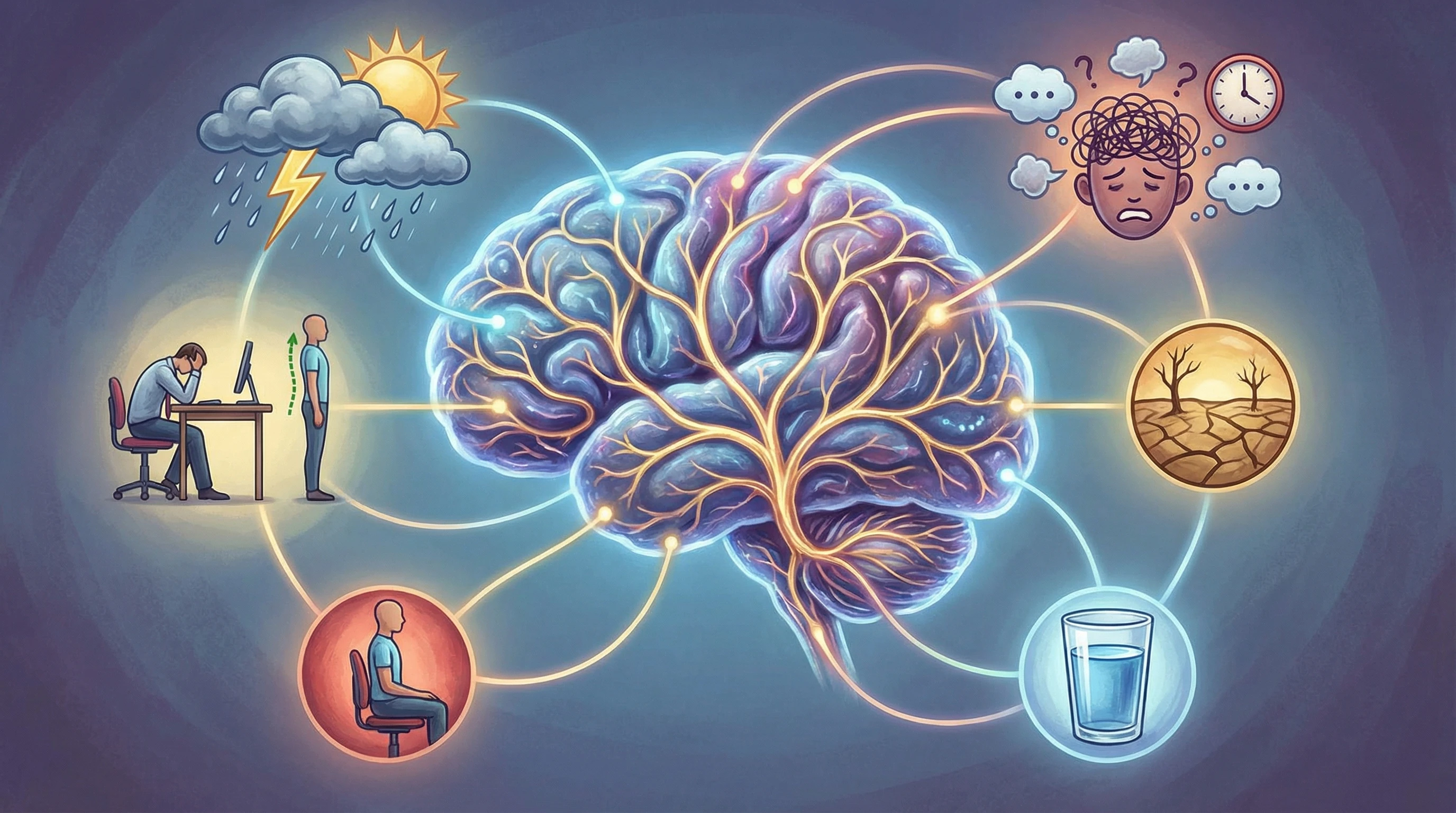
Pain perception involves much more than just nerves or injuries. In my experience, it’s often a blend of physical injuries, emotional stress, environment, and even habits from my daily routine. The nervous system, brain, and old memories play a part, too.
Researchers explain that pain comes in two main types: acute (short-term, related to injuries) and chronic (lingers for months or even years). When pain turns chronic, it often continues because of repeated triggers—things in my life, environment, or mind that set off pain even if the tissue has healed. (CDC: Chronic Pain and Pain Management)
Examples of triggers I’ve noticed include:
- Physical triggers: Movement, activities, or positions that irritate nerves or muscles
- Emotional triggers: Stress, anxiety, or memories tied to previous pain moments
- Environmental triggers: Weather changes, bright lights, or noise
Steps for Identifying Personal Pain Triggers
Trying to figure out why pain happens isn’t usually straightforward. I’ve found a steady, stepwise approach helps me spot patterns. Here’s how I get started tracking down my own pain triggers:
- Track your pain: I use a daily journal, capturing when pain happens, how strong it is, what I was up to before it started, and how long it lasts.
- Look for patterns: After a couple of weeks tracking, I go back and scan for recurring links between pain and activities, foods, stress spikes, weather, or any changes in my sleep.
- Test one change at a time: If pain often flares after lifting or bending, I skip that for a few days. If things get better, I might have found a trigger.
Consistency here is key. Some folks use pain tracking apps to visualize their data, which helps them pick up on less obvious connections.
Common Pain Triggers That Often Go Unnoticed
Pain is stubborn. More than once, I’ve missed a culprit just because it didn’t seem linked at first. Here are some sneaky triggers that surprised me:
- Dehydration: Falling behind on water can lead to muscle cramps or headaches. Upping my hydration made a big difference for me.
- Poor posture: Sitting hunched at a desk or over my phone often means I end up with back and neck pain.
- Sleep patterns: Messy or insufficient sleep lowers my pain threshold so aches feel worse.
- Diet: Some foods, especially sugary or ultra-processed items, can fire up inflammation and pain.
- Stress: Ongoing mental stress tightens my muscles and makes me more alert to discomfort.
It took a lot of trial and error for me to recognize these. Realizing pain often stems from habits and environments—rather than a single event—has been a real eye-opener.
Problem Solving: Steps to Resolve Pain Triggers
Spotting what triggers my pain is just the starting point. Next, I make small changes to cut down on those triggers. The following strategies have helped me a lot:
- Modify activities: If something makes my pain worse, I swap it out or tweak how I do it. For example, I pause typing for regular breaks and use cushions for better support.
- Fix posture: Adjusting my chair or desk, and keeping screens at eye level, goes a long way in easing neck and back pain.
- Stay hydrated and eat smart: I focus on antiinflammatory foods like leafy greens, nuts, and fish. A water bottle is always by my side.
- Handle emotional triggers: Managing stress is crucial. Deep breathing, mindfulness, or talking to a counselor helps lower tension.
- Prioritize sleep health: I stick to a steady bedtime and wind down before sleep, avoiding screens late at night.
These steps make a noticeable difference for many people. When nothing seems to work, I check in with a doctor or pain specialist for a deeper look.
Obstacles in Pain Trigger Identification (And How I Work Through Them)
Even when I’m doing everything right, obstacles can slow progress in figuring out my pain triggers.
- Pain with no clear pattern: More often than I’d like, pain doesn’t seem to have a clear cause. In these situations, I double down on healthy routines and keep an eye on new trends as time goes on.
- Unhelpful advice: Well-meaning people give tips that didn’t work for me. I experiment cautiously—what works for one person doesn’t always work for the next.
- Information overload: There’s so much advice online that it gets overwhelming. So I stick to reliable sources like national pain foundations or peer-reviewed research.
- Changing too many things at once: Shifting lots of habits together makes it tough to track what’s actually making a difference. I focus on small tweaks, one by one, to see what helps.
Dealing With Frustration
There are days when it feels like nothing will work or the progress is too slow. In those moments, I remind myself that figuring out persistent pain is an adventure—it’s a process, not a one-day fix. Finding support groups or talking to others in a similar situation keeps me hopeful and less isolated.
Advanced Strategies: When Basic Steps Aren’t Enough
Some stubborn pain doesn’t respond to the basics. That’s when I seek out advanced approaches, many recommended by pain specialists and supported by research:
Cognitive Behavioral Therapy (CBT): CBT has retrained how my mind handles pain and stress. It’s commonly used for chronic pain, since shifting thoughts and reactions actually lowers pain signals. (American Psychological Association: Cognitive Behavioral Therapy for Pain)
Physical therapy: Professional guidance leads me through safe, gradual exercises that target pain triggers and build strength. Routine updates to the plan keep me motivated.
Mindfulness and relaxation: Practicing guided meditation, progressive muscle relaxation, and deep breathing gives me new ways to manage the mental side of pain.
Medication review: Sometimes, prescriptions themselves are part of the problem. I go over my medication list with a doctor to balance relief and side effects.
Community support: Hearing how others face chronic pain, and trying out their strategies, helps me find options I wouldn’t have thought of alone. It’s comforting to know I’m not alone in my struggle.
Everyday Tools to Support Pain Problem Solving
There are loads of tools out there for people dealing with pain triggers, and I’ve found a handful that really give a boost:
- Ergonomic chairs and cushions: These make long hours at the desk or computer less punishing for my back and neck.
- Hot and cold packs: Rotating between these can handle inflammation, tightness, and soreness after a tough day.
- Fitness apps and reminders: Timed notifications nudge me to stretch, sip some water, or move every so often. It’s simple, but effective in cutting down pain from long periods of inactivity.
Other supportive tools I use include foam rollers, massage balls, and small resistance bands for simple exercises at home. These gadgets don’t work for everyone, but finding the right routine can take daily pain levels down a notch.

Frequently Asked Questions
Here are some questions I get asked the most as folks start learning about pain perception and triggers:
What if I can’t track down my pain triggers?
It can take time for patterns to show up, and not every trigger jumps out right away. Keeping a consistent journal and focusing on basics—like hydration, movement, and steady sleep—often helps over time. When nothing seems obvious, check in with a pain specialist to dig deeper.
Is it normal for emotional stress to cause aches and pain?
Absolutely. Headaches, back or neck pain, even stomachaches can relate to ongoing stress or unresolved emotions. It’s common, and easing stress is a worthwhile focus for anyone struggling with pain.
Does finding triggers mean pain will totally disappear?
Tracking down and managing triggers can tone down pain a lot, though it might not wipe it out entirely. The goal is to boost overall comfort and reduce how much pain disrupts life.
Final Thoughts
Pain perception is deeply personal, and what works for me may not match what helps someone else. Through daily tracking, thoughtful adjustments, and seeking out extra support when needed, I’ve learned it’s possible to manage pain better and get back to what matters. Even small improvements, added up over time, make more room for comfort, activity, and peace of mind.