Stress affects our physical and emotional health in all sorts of ways, and pain is a big part of that equation. Both short-term (acute) and long-lasting (chronic) pain are influenced by what’s going on in our minds and bodies. In this article, I’m breaking down the impact of stress on pain, explaining the science in a straightforward way, and sharing tips for anyone dealing with stress-related aches or ongoing pain issues.
How Stress Connects to Acute and Chronic Pain
Pain isn’t just about what happens in your body when you stub a toe or pull a muscle. How you feel pain is also shaped by your mood, stress level, and environment. Acute pain is that sudden, sharp reaction to an injury or illness that usually fades with time and healing. Chronic pain sticks around for weeks, months, or even years, often after an injury has healed.
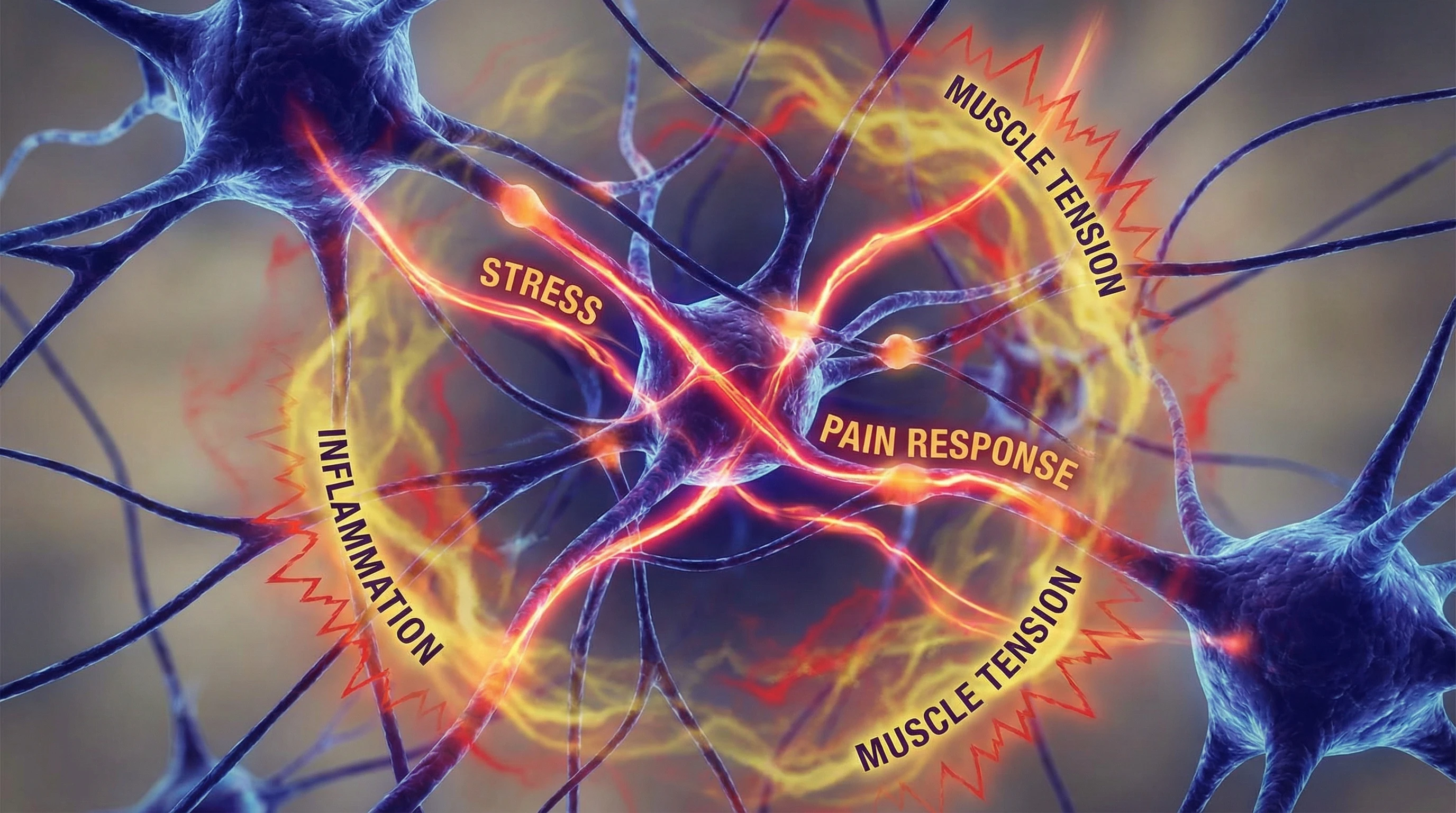
When something stressful happens (like a tight deadline or an argument), your body jumps into action. Stress hormones, especially cortisol and adrenaline, rush through your system to make you alert and ready. This goes way back in human history, helping us handle danger. But these hormones can also spark or intensify pain. For someone with an ongoing issue, such as back pain, stress can make that pain worse or harder to control, turning a once-occasional issue into a daily problem.
What Actually Happens in Your Body When You’re Stressed?
Stress triggers the body’s “fight or flight” system. Your heart races, muscles tense, breathing gets quicker, and energy shifts away from functions like digestion. This isn’t just a mental state; it’s a series of real, physical changes controlled by the central nervous system.
When you’re stressed for a short time, your body can handle it. Once things calm down, everything returns to normal. But if you’re stressed out a lot, which happens with modern life, your body may stay in this overactive state. Over time, this can make pain feel worse, last longer, or pop up more often.
- Cortisol and inflammation: Stress increases cortisol. While this hormone can reduce some inflammation for a short period, having high levels over a long time might do the opposite and make the body more sensitive to pain.
- Muscle tension: With stress, muscles tighten up. Tense muscles can lead to pain in the neck, shoulders, or back, and can start migraine attacks or worsen headaches.
- Sensitization: Chronic stress makes your nervous system more sensitive—things that wouldn’t usually hurt, like a light touch or small bump, suddenly do.
Acute Pain and Stress: The Immediate Reaction
When you slam your finger in a door, your body sends pain signals to the brain fast. Alongside this, stress hormones kick in, which can make the pain feel sharper or more intense. Some people even notice their heart thumping or a wave of sweat; these are classic stress responses layered on top of the pain experience.
Stress also distracts your brain, making you focus less on the actual injury and more on the discomfort. This is why pain can seem more overwhelming during periods of stress, even if the injury is minor. Usually, as you relax and the stress fades away, acute pain becomes much easier to manage and eventually disappears completely.
Chronic Pain and Stress: When the Body Won’t Turn Off
Chronic pain is a bit different. Unlike acute pain, chronic pain lingers long after an injury heals, or sometimes appears with no clear injury. People with conditions like fibromyalgia, arthritis, or lower back pain often notice that stress worsens their symptoms. Stress puts the nervous system into overdrive, keeping pain pathways active even without fresh damage or danger.
Researchers have found that people under constant stress often have more severe pain, need more medication, and face a tougher time bouncing back. Their brains start to expect pain, so even minor triggers become a big deal. Over time, this feedback loop makes it harder to break the pain cycle. In addition, chronic stress can disturb sleep, contribute to mood issues, and strain relationships, all of which may worsen pain perception and quality of life. That’s why it’s important to address both issues together—the two are deeply connected.
Why Stress Management Can Help Pain (And Vice Versa)
One of the most practical things I’ve learned is just how much stress and pain feed off each other. Stress can make pain worse, but pain itself is also stressful. If you’re always hurting, you may worry about work, relationships, or the next flare-up. This extra worry then adds even more stress, and the cycle starts all over again.
Taking steps to manage stress can sometimes help manage pain, and studies back this up. Relaxation techniques, exercise, mindfulness, and good sleep won’t fix everything, but they do help the brain and body break the worst of the pain-stress loop. It’s important to remember that dealing with one can give the other a boost, so a combined game plan often makes for the best results.
Everyday Triggers and How to Spot Them
Recognizing what triggers your stress, and even your pain, is really useful. Some common culprits I hear about include:
- Work deadlines or job loss
- Family arguments or relationship struggles
- Lack of sleep
- Major changes, like moving or illness
- Poor posture or lack of exercise
Sometimes even exciting events, like starting a new job or welcoming a baby, can still be stressful for your system. Noticing these triggers can clue you in about what makes your pain flare, so you can game plan and prepare for challenging days.
Using a Pain and Stress Diary
One simple way to get a handle on your pain patterns is by keeping a daily log. Jot down what you were doing, how your pain felt, and anything unusually stressful that happened that day. Over time, you’ll start to see connections that you might have missed otherwise. This approach can be surprisingly helpful—sometimes just the act of writing things down makes them feel a bit more manageable and gives you a clearer handle on what’s happening in your body.
Common Challenges When Dealing with Stress-Related Pain
Handling both stress and pain is tough, and a few obstacles pop up a lot:
- Sleep issues: Pain and stress both make it hard to fall asleep, which then sets you up for another rough day.
- Trouble concentrating: Ongoing pain can wreck your focus, making it tough to keep up with work or family.
- Feeling stuck: The never-ending pain loop (hurt → stress → more hurt) leaves some folks feeling hopeless or frustrated.
- Managing medications: Stress can make you rely more on medications, but this isn’t always a healthy long-term solution. It may take careful planning with a healthcare provider to find the right mix of options.
Tips for Breaking the Stress-Pain Loop
- Move your body: Even gentle walks or stretching help release tension and kick in feelgood endorphins.
- Practice mindfulness: Apps or simple breathing exercises can calm your nervous system and make pain easier to handle.
- Watch caffeine and sugar: Too much can ramp up anxiety and stress, which in turn makes pain feel stronger. A balanced diet helps keep both in check.
- Reach out: Talk with healthcare providers, counselors, or support groups; you don’t have to deal with it alone.
- Focus on routine: Regular sleep, meals, and downtime give your body a better shot at coping with pain and stress.
How the Mind-Body Connection Plays a Part
Researchers have spent years confirming what many people already sense: the mind and body are closely linked. Chronic pain can set the stage for depression and anxiety, while mood disorders bump up the risk of more pain. The brain changes the way it handles pain signals if there’s a heavy dose of stress or sadness along for the ride.
Smart approaches, like cognitive behavioral therapy (CBT), yoga, or Tai Chi, aren’t about ignoring pain but about teaching your brain and body how to react differently. Simple shifts, such as guided relaxation, art, or even getting outside daily, can make it easier to deal with discomfort, even if pain doesn’t vanish entirely. Over time, you may find more balance and see improvements in your mood and resilience.
Everyday Ways to Manage Pain and Stress Together
Combining stress-busting habits with pain management pays off. Here are a few practical ideas to make your days easier:
- Warm baths or showers: Hot water soothes tense muscles and gives you a mental break.
- Listening to music: Calming songs lower stress hormones and take your mind off pain.
- Gentle massage: Selfmassage or foam rolling can break up muscle knots tied to stress tension and give your muscles much needed relief.
- Journaling: Spend a few minutes writing about your experiences; this can lower stress, organize your thoughts, and help you process what’s happening.
Resources from the Centers for Disease Control and Prevention and the National Institute of Neurological Disorders and Stroke offer more info if you want to check out further details or find professional support. Trusted organizations often provide self-assessment tools and tips for both pain and stress management, making it easier to track down what you need for your unique situation.
Frequently Asked Questions
Question: Does stress really make pain feel worse?
Answer: Yes. When you’re stressed, your nervous system ramps up, making your body more sensitive to pain. Ongoing stress also keeps muscles tense, making pain more likely to stick around or flare up.
Question: Can relaxation techniques actually help manage chronic pain?
Answer: They can definitely help many people. Activities like deep breathing, meditation, or yoga lower stress, making it less likely your pain will spiral. They’re most effective when used regularly, as part of your daily routine.
Question: Should I see a doctor for stress-related pain?
Answer: Always a good idea. If pain lasts or gets worse, especially if new symptoms show up, talking with a healthcare provider makes sure you’re not missing a bigger issue and helps you find the right plan for relief. They may also help you mix in different strategies so you’re not leaning solely on medication.
Key Takeaways for Managing Stress and Pain
Stress plays a big role in how we experience both quick, sharp pain and long-lasting nagging aches. Acute pain is often short-lived but feels stronger with added stress. Chronic pain, meanwhile, can end up cycling with stubborn stress to make daily life much harder. Tracking your stress and pain patterns, building healthy routines, and reaching out for professional help when needed can really give you a boost.
Even small steps, like breathing breaks, gentle movement, or keeping a journal, can help break the loop for a more comfortable day-to-day life. It’s about finding what works for you, remembering that pain and stress are tightly connected, and knowing you can take them both on, one step at a time.