Everyone experiences pain differently. If you’ve ever stubbed your toe or bitten your tongue, you probably know exactly what I mean. Some people bounce back with barely a wince, while others feel discomfort much more intensely. This isn’t just about personality or mental toughness; your genes actually play a big role in how you experience pain. In this article, let’s dig into why genetics impact pain thresholds and what this means for your day-to-day life.
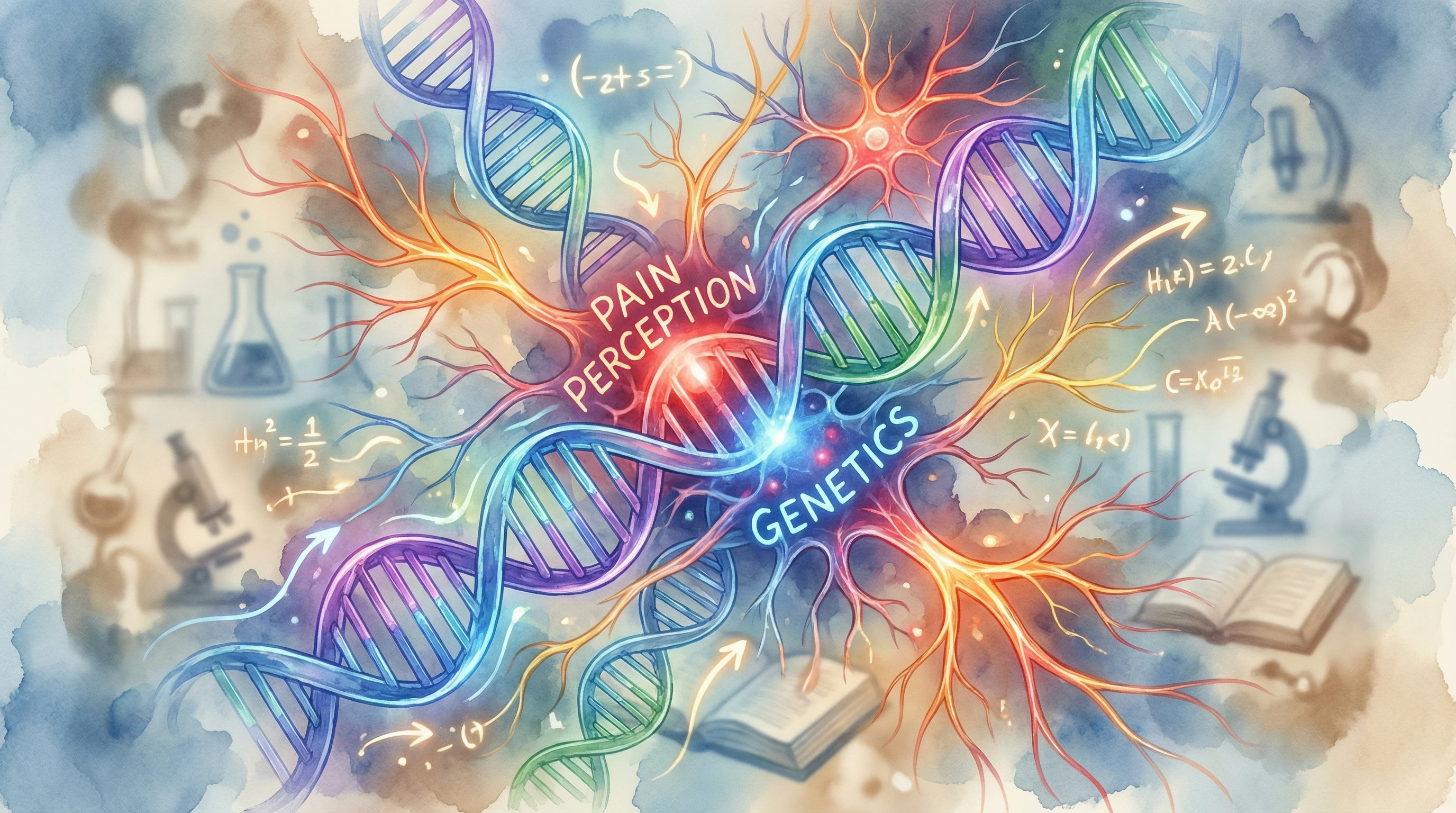
How Genetics Influence Pain Sensitivity
Pain is the body’s way of signaling that something might be wrong. The sensation itself comes from a complex web of nerve cells, brain centers, and chemical messengers. Yet the amount of pain you feel from the same injury as the next person can be very different, and a lot of that comes down to genetics.
Research shows that certain genes control how your body processes pain. For example, genetic differences can affect how efficiently pain signals travel along nerves, how your brain picks up on those signals, and how quickly your body recovers from injury. This explains why even siblings may react differently to the same dental procedure or a sprained ankle.
A major study in the journal Nature Reviews Genetics points out that genetic factors can account for up to half of the differences in pain responses between people. That means your DNA has a significant say in whether you’re sensitive or tolerant to pain.
Important Pain Related Genes and How They Work
If you want to check out which genes influence your pain threshold, you’re not alone. Scientists have tracked down several genes that play significant roles:
- SCN9A: This gene creates a protein that helps nerves send pain signals. Some rare mutations in SCN9A lead to people not feeling pain at all; others make pain much more severe.
- COMT: Standing for catechol O methyltransferase, this gene works in processing chemical messengers in the brain. Variations can decide if you’re more likely to shrug off pain or feel it more intensely.
- OPRM1: This gene is tied to the way your body responds to opioids, the chemicals your brain and many pain medicines use to reduce pain. Changes in OPRM1 influence how much natural pain relief your body produces.
- TRPV1: This gene affects your sense of heat and spicy foods but is also linked to how nerves detect pain in general.
The main message is that many different genes work together, so even minor changes in one or two of them can nudge your pain threshold higher or lower.
Why Do Pain Thresholds Vary So Much?
Genetics lay the foundation for how sensitive your nervous system is, but that’s not the whole story. Environment, lifestyle, health conditions, and even mood or stress levels all have important effects. If you tend to bruise easily or medical procedures hit you harder than your friends, genetics provide a good starting point for answers, but they don’t explain everything.
A review in The Journal of Pain explains that even people with identical injuries often report very different pain levels. While cultural differences or mindsets matter, many studies connect the variation right back to specific genetic differences. Asking about your family medical history can reveal patterns in how your body handles pain.
Pain Perception is More Than Just Nerves
Your pain threshold isn’t only about nerves or physical sensations. Brain chemistry, hormone levels, and experiences with pain all contribute to how you feel it. Genes leave their mark on all these areas, which is why the same pain event—like a broken bone or headache—could knock one person flat but barely slow down another.
As an example, neurotransmitters like dopamine and serotonin regulate your mood and emotional reaction to pain. Genes like COMT impact how effectively your body processes these chemicals. If you inherited a version that works slowly, you might find pain more intense.
Everyday Examples of Genetic Pain Differences
I see genetic influence every day. My friend always needs higher doses of numbing medicine at the dentist, not because she’s nervous, but because her body barely reacts to typical anesthetics. Genetics can play a big role here. On the other hand, some people hardly notice minor injuries or heal from tooth extraction with just over the counter pain relief.
Sports gives us more clear examples. Athletes who recover fast from injuries or play through tough conditions often have inherited traits that help their bodies handle pain more efficiently. This isn’t about mental toughness; often their biology is just a bit different.
Key Factors That Affect Pain Threshold (Other Than Genetics)
- Age: Pain thresholds can change throughout your life. Kids and older adults may experience pain differently than young adults and people in middle age.
- Sex: Studies show that, on average, women report lower pain thresholds than men, though the reasons are complex and involve hormones and genes.
- Environment: Long term exposure to stress or trauma can lower your pain threshold, no matter what your genes say.
- Medical history: Certain conditions like diabetes or fibromyalgia change how nerves carry pain signals, and genetics play a part in those too.
Genetics don’t work solo. This mix of influences means no two people process pain exactly the same way.
What This Means for Treatment and Everyday Living
Knowing genetics shape pain thresholds helps explain why pain management is not a one size fits all process. Doctors now look more closely at family history and sometimes recommend genetic testing before choosing a pain plan. If you or someone you know needs higher doses or longer recovery, genetics may be part of the explanation.
This growing understanding is helping healthcare improve comfort and recovery. Treatments and drugs are being tailored based on genetic profiles, and major organizations like the CDC see a future of more personalized pain care as more genetic links are revealed.
Day-to-day, this means you shouldn’t compare your pain tolerance to others and shouldn’t feel guilty about how you respond. Your response is shaped by a lot more than willpower.
Frequently Asked Questions
Question: Can I track down if I have genes linked to pain sensitivity?
Answer: Direct to consumer genetic tests can sometimes give you clues about pain related genes. However, results are not always all-in-one or detailed enough for firm medical decisions. If you’re having trouble managing pain or with certain drugs, it’s smart to check in with a healthcare provider about genetic testing or family history analysis.
Question: If my family handles pain well, does that mean I will too?
Answer: There’s a good chance your experience may be similar, but it’s not a sure thing. Lifestyle, stress, and medical history matter alongside genetics.
Question: Can lifestyle changes or therapies give a boost if I have a low pain threshold?
Answer: Absolutely. Even though genetics set the baseline, activities like regular exercise, mindfulness, cognitive behavioral therapy, and healthy routines can all give a boost to how well you handle pain and recovery.
Everyday Ways to Manage and Understand Your Own Pain Threshold
If you feel like you’re extra sensitive to pain, you could start tracking your experiences in a journal. Write down when pain flares up, what helps, and how quickly things settle down. This record can help a doctor spot patterns and tailor strategies to you. Approaches like physical therapy, stress reduction, and keeping active can all help balance genetic tendencies.
Genetics and pain have a deep connection, but learning more about your body’s unique makeup can help you care for yourself better. With good information and the right support, everyone can work on a pain management plan that really fits them.