Emotions and pain are more connected than many people realize. When I talk with patients or read about pain research, I see over and over how feelings like fear, stress, sadness, or even happiness can change the way pain feels. Understanding why emotional factors modulate pain perception in patients doesn’t just help people cope better. It opens up new options for comfort and healing.
The Connection Between Emotions and Pain
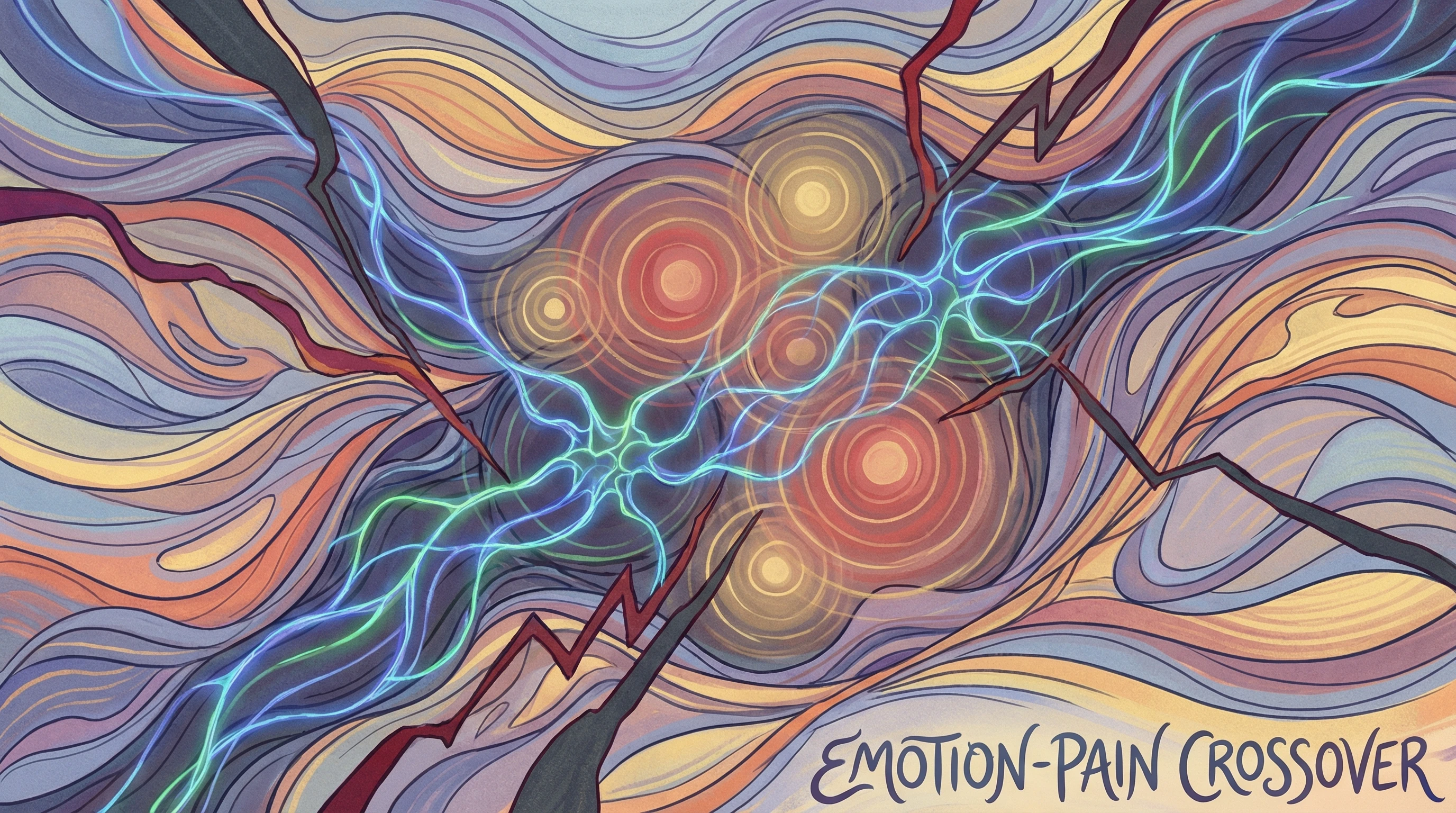
Pain isn’t just a sensation caused by injury or illness. It’s also heavily influenced by what’s going on in your mind. Researchers studying the brain have found that pain and emotion actually share many of the same pathways and regions. This overlap means your emotional state can have a direct impact on how you experience pain, and that’s something I’ve noticed both in clinic settings and in the stories patients share.
The limbic system, which handles feelings like anxiety and joy, is also deeply involved in pain processing. So if you’re having a rough day emotionally, your body might react by feeling pain more sharply. On the other hand, feeling supported or relaxed can make aches seem less severe. This is not just a psychological trick. It’s the brain weighing in on how pain signals are processed and perceived.
How Emotions Shape Pain Perception
Throughout my years learning about pain management, I’ve learned that emotional factors can either amplify or reduce the intensity of pain. Some of the big players here include stress, anxiety, depression, and even unexpected feelings like excitement or relief.
- Anxiety: When anxiety is high, patients often describe pain as sharper or more overwhelming. The brain’s alarm system gets cranked up, making even mild discomfort feel worse.
- Depression: Persistent sadness or hopelessness can drain people’s energy and make them more sensitive to pain. Studies suggest that depression doesn’t just increase pain sensitivity. It can also slow down recovery.
- Chronic Stress: Being stressed out for long periods increases levels of cortisol and adrenaline in the body. These stress hormones can wear down your natural ability to block pain, creating a tough cycle.
- Positive Emotions: On the flip side, laughter, gratitude, and even mild happiness seem to lower pain levels. My own experience with guided relaxation and patient stories back this up. When people are encouraged or distracted, pain usually eases up a bit.
Getting Started: Recognizing Emotional Triggers
Learning how emotional factors modulate pain perception starts with noticing the relationship between moods and pain episodes. Patients aren’t always aware of these patterns until they start tracking their feelings alongside their pain levels.
Here are a few things I encourage patients to watch for:
- Timing: Does pain flare up more when you’re stressed or worried?
- Situations: Are certain environments or relationships making your discomfort worse?
- Thoughts: Do negative beliefs or fears about pain lead to more suffering?
Journaling, even just a few lines a day, can help people spot trends and take practical steps to address them. Once you spot those patterns, it becomes a lot easier to step in with calming or uplifting activities.
It’s also helpful to talk with trusted friends, family, or a health provider about these observations. Sometimes just saying it out loud adds perspective and support, letting you feel less alone in the process. By consciously tracking these patterns, patients often stumble upon triggers they hadn’t thought of before, which can lead to meaningful improvements.
Tools and Strategies to Manage Emotional Influence on Pain
Managing how emotions affect pain isn’t about snapping your fingers and feeling instantly better. I like to think of it more as building a toolkit of strategies that you can draw on when you notice pain and tough feelings working together.
- Mindfulness Practices: Activities like meditation and breathing exercises are helpful for getting in tune with your body and calming your nervous system. Research from places like Harvard Health points out that regular mindfulness practice can reduce both pain intensity and emotional distress (source).
- Cognitive Behavioral Approaches: This toolkit helps patients reframe negative thoughts about pain, making them less overwhelming. By challenging unhelpful beliefs, people often see a drop in perceived pain levels.
- Physical Activity: Even gentle movement, like walking or stretching, encourages the brain to release natural pain relievers. I often remind people that it’s about progress, not perfection.
- Social Support: Spending time with supportive friends or family helps buffer emotional lows and gives a boost to resilience against pain flares. This social layer is often overlooked but incredibly useful.
Trying out different strategies can be part of the adventure. Sometimes people stumble upon unexpected techniques that resonate, like creative arts or volunteering, which can provide distraction and purpose along with relief.
Things to Think About When Addressing Emotional Factors
Adjusting to the ways emotions impact pain perception can feel like a puzzle with a few missing pieces. Not every strategy works the same for everyone. There are some recurring challenges I hear patients talk about, and a few ways to find your way through them.
- Unrealistic Expectations: Sometimes people expect quick fixes. It’s pretty important to approach these changes slowly and pay attention to small improvements.
- Feeling Stuck: Emotional pain and physical pain often reinforce each other. If you feel like you’re spinning in circles, it helps to focus on just one small thing you can control each day, like a mini walk or reaching out to a friend.
- Complex Health Conditions: People living with other medical or psychological conditions might need extra support, such as therapy or teaming up with a pain specialist and mental health provider. Multidisciplinary pain clinics are helpful in these cases (CDC resource).
- Self-Judgment: Blaming yourself for feeling pain or emotions only adds to the stress. Self-compassion goes a long way in any healing adventure.
Setting Realistic Goals
Goal setting is an underrated tool when managing pain and emotions together. Instead of shooting for a “pain free” day, focusing on manageable steps—like joining a support group or practicing five minutes of breathing—builds confidence and keeps momentum going. It’s okay if progress comes in starts and stops; small wins add up.
When Extra Help Makes a Difference
There are times when pain and emotions feel overwhelming. In those situations, reaching out to a professional can make things smoother and less isolating. Psychologists specializing in pain, counselors, or experienced chronic pain support groups offer practical steps and fresh perspectives. Many clinics now recognize the major impact emotions have on pain, so patients aren’t left to figure this out solo.
Tips to Decrease the Impact of Emotion on Pain
After working with people from different backgrounds, I’ve put together some tips that really help manage the way emotions play into pain perception:
- Plan Calming Activities: Scheduling time to read, listen to music, or spend time in nature isn’t just a nice break; it actively soothes the body’s pain response.
- Develop a Relaxation Routine: Short daily habits like gentle stretching, guided imagery, or even warm baths signal to your nervous system that you’re safe.
- Stay Connected: Building relationships with others who understand what you’re experiencing can make rough days better. Many people find online communities, pain support groups, or local meetups really helpful.
- Avoid Information Overload: Looking up every possibility on the internet or obsessing about symptoms often backfires. Focusing on reliable resources keeps things grounded.
These tips don’t make pain disappear, but they go a long way in making pain easier to manage and less likely to take over your day. Remember: consistency is key, and it’s okay to be flexible with routines based on how you feel.
Real-World Examples of How Emotions Shape Pain
A patient dealing with chronic migraines shared with me how their pain hit hardest after stressful meetings at work, but eased up when they spent quiet time with their pet. Another person living with arthritis noticed flareups soon after upsetting phone calls, but when they added in daily gratitude journaling, the pain spikes started to mellow out.
- Stress and Tension Headaches: High pressure situations can tighten muscles in the neck and scalp, often leading to headaches that are as much about stress as about physical strain.
- Anxiety and Fibromyalgia: In fibromyalgia, worry about pain actually ramps up the central nervous system, sometimes causing more widespread pain.
- Joyful Distraction: Celebratory events, positive phone calls, or enjoyable outings tend to mute pain, even if just for a little while.
Many stories make it clear that emotional context can change pain’s intensity and duration. Sometimes just knowing that emotions play a role is the first step to stepping in and finding relief.
Frequently Asked Questions
People ask a lot of good questions about the link between emotion and pain. Here are a couple common ones:
Question: Can anxiety make pain worse?
Answer: Yes, anxiety increases the body’s stress response, which can make pain feel stronger and harder to manage. Practicing calming techniques and working with a professional can help lower anxiety and pain sensitivity.
Question: What are the most helpful therapies for emotional pain and physical pain together?
Answer: A combination of cognitive behavioral therapy, mindfulness, physical activity, and social support is usually effective. Sometimes medication or more specialized treatments are part of the mix.
Question: Why does my pain feel worse at night when I’m tired or sad?
Answer: Fatigue and sadness tap into the same pathways in the brain that process pain, which can make it feel more intense. Wind-down routines and sleep hygiene help manage this effect.
Bringing It All Together: Managing Emotion and Pain Day to Day
Understanding the way emotions modulate pain perception helps patients face pain with more tools and less fear. It’s really about finding which strategies work in your daily life, experimenting a bit, and reaching out for extra help when pain and tough feelings get overwhelming. Small steps matter and can lead to big changes in both comfort and quality of life. With patience and practice, people can reclaim more control over how pain shapes their days and find hope in the process.