Pain is a universal experience, but not everyone feels it the same way. I have often wondered why some people seem more sensitive to pain, while others brush it off easily. Research suggests gender may play a role in how we sense, process, and respond to pain. If you’ve ever noticed differences in pain tolerance between men and women, you’re not imagining it. In this article, I will check out how gender differences influence pain perception thresholds, explaining why these variations matter both in everyday life and in healthcare settings.
Understanding Pain Perception and Thresholds
Pain perception refers to how I and others detect and interpret harmful stimuli, like touching something hot or getting a paper cut. My pain threshold is the lowest point at which a stimulus causes me to feel pain. People can have high or low pain thresholds, and this is influenced by a mixture of biological, psychological, and cultural factors. Gender is one of these factors, and scientists continue to study exactly how and why it contributes to differences in pain sensitivity.
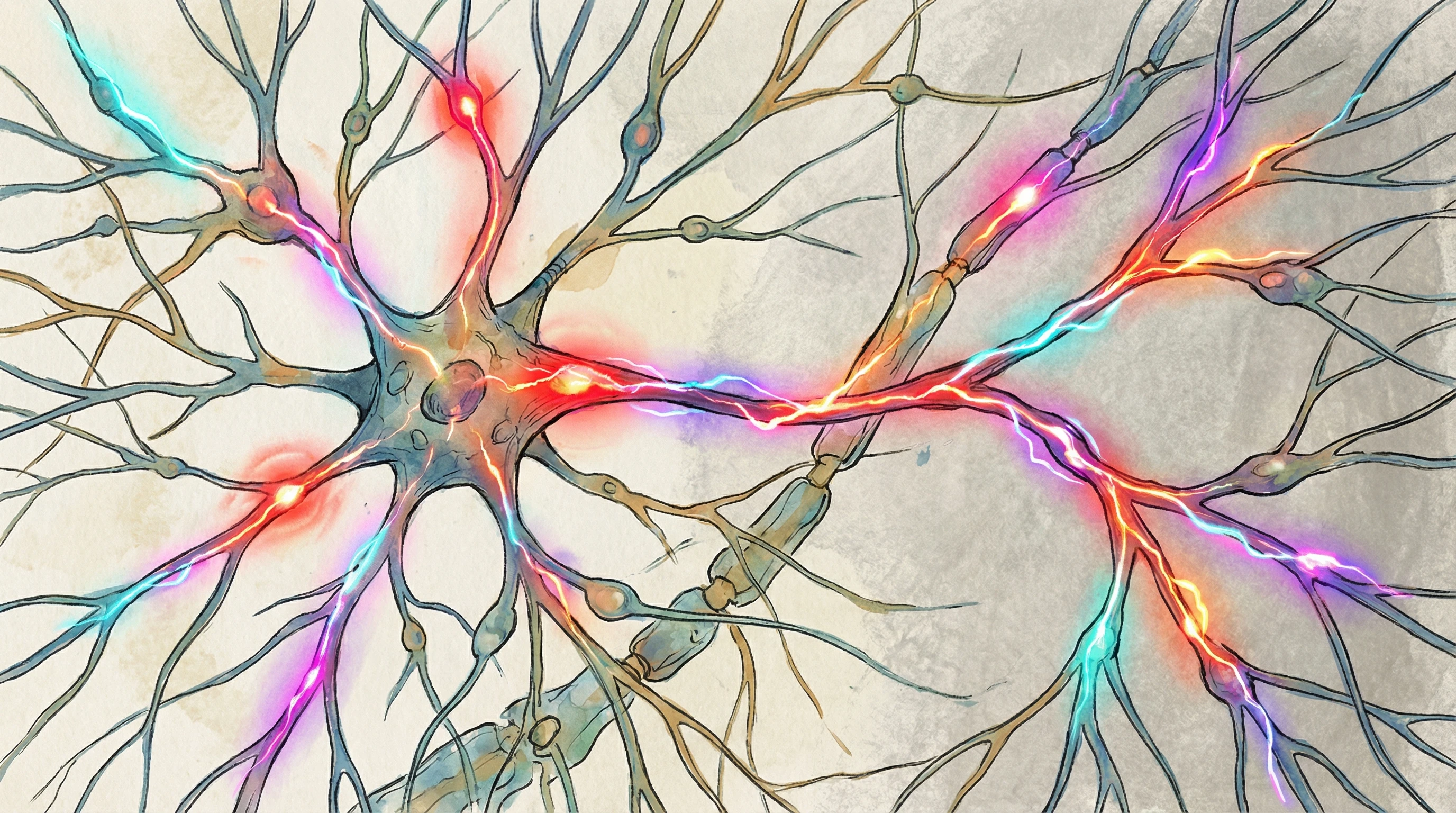
Pain arises from complex interactions between nerves, the spinal cord, and the brain. When a harmful stimulus occurs, nerves send a signal up to the brain, which decides if the sensation is painful and how intense it is. Both genetics and day-to-day experiences shape this process. Researchers have found that the thresholds for pain perception, meaning how much stimulus triggers pain, are often different between men and women.
For instance, your own health history, lifestyle, and even diet can change how your body processes pain on a daily basis. Recent studies are beginning to look into how physical activity, sleep quality, and even gut health might interact with traditional pain pathways. These emerging areas help fill out why individual pain experiences are so unique, and why looking at trends by gender is just one important piece of a much bigger picture.
The Science Behind Gender Differences in Pain
When I read studies about pain thresholds, I notice a consistent trend: males and females often report different experiences even for the same painful stimulus. On average, women tend to have lower pain thresholds, meaning they report pain at lower levels of stimulation compared to men. Men are more likely to have higher pain thresholds and may tolerate more intense stimuli before describing it as painful.
Several scientific explanations help explain this pattern. Hormones such as estrogen, progesterone, and testosterone have an impact on pain sensitivity. For example, fluctuations in estrogen during monthly cycles can make some women more or less sensitive to pain at different times. Studies suggest that testosterone, which is higher in men, may help dampen pain signals. These hormonal effects are combined with genetic, social, and environmental influences to shape how each person picks up on pain.
Some research even suggests that specific genes related to how pain is processed may be expressed differently in men and women. While this area of study is still developing, it’s likely that as science makes advances, we’ll get an even clearer picture of the root causes behind gender-based trends in pain.
Biological Factors: Hormones and the Nervous System
Hormonal changes throughout life affect pain thresholds in both men and women. Pregnancy, menopause, and monthly cycles can all switch up pain sensitivity in women. Men experience relatively steady hormone levels, which could help explain why their pain perception is often more stable over time.
The nervous system also works differently for each gender in some ways. Research from institutions like the International Association for the Study of Pain explains that certain pain processing pathways may be more active in women, leading to quicker or stronger pain responses. Structural differences in nerves and brain areas related to pain could underlie the observed differences in sensitivity between men and women.
There is also some evidence suggesting that the number and type of pain receptors located in the skin might vary slightly by gender. While this doesn’t create a massive difference, it adds another layer of complexity to why pain can feel so different person to person, and why gender trends exist.

Psychological and Social Influences on Pain Perception
Psychological and social influences play a really important role when it comes to pain perception and tolerance. People learn how to respond to pain from family, culture, and life experience. I’ve noticed that some men feel pressure to hide pain, which can lead them to report higher pain thresholds. Social norms sometimes encourage women to express pain more openly, affecting both their willingness to report pain and how others see their pain.
Emotional state, anxiety, and stress levels also influence how I and others experience pain. Women tend to report higher anxiety and stress when faced with painrelated situations, and this can lower their pain thresholds. Men, on average, may experience less anxiety about pain, but this varies from person to person. Support, encouragement, and environment can all change how much discomfort a person feels.
Even expectations before a painful event can affect real physical sensations. For example, if someone expects a procedure to be painful, their actual experience might be worse just from anticipation. Understanding this mind-body connection is key for both healthcare professionals and patients.
Common Myths and Misunderstandings
People have many ideas about men being “tougher” and women being “more sensitive,” but these stereotypes can be misleading. Not every man or woman fits the average pattern. Pain tolerance and threshold are highly individual, and some women may have much higher pain thresholds than some men. Genetic background, past injuries, chronic illnesses, and other factors interact with genderrelated influences to shape pain perception.
Healthcare providers sometimes underestimate the pain women report, assuming they are exaggerating, or overestimate men’s ability to withstand pain, which can delay needed treatment. Being aware of these myths is really important for fair and effective care.
It can be helpful for patients to know these stereotypes exist, so they can be clearer in expressing pain to medical staff. It’s also useful for healthcare teams to ask open questions so they don’t rely on assumptions based on gender about how much pain someone should feel.
Measuring Pain Thresholds: Methods and Results
Doctors and scientists use several approaches to measure pain thresholds. One common method is applying gradually increasing pressure, heat, or cold to the skin and asking the person when the sensation becomes painful. Another is using electrical stimulation to test how nerves respond to mild shocks. Studies collect this data from both men and women to compare responses.
The results of hundreds of studies show that women, on average, identify pain at lower thresholds than men in most tests. For example, a research review in the journal Pain gathered results from seventyfive studies and reported that women consistently showed greater sensitivity to painful pressure, heat, and cold. However, the difference isn’t huge, and there is always overlap between the ranges of pain thresholds in both genders. This means you can’t accurately determine a person’s pain threshold by gender alone, though trends do exist in large groups.
Other studies use more naturalistic setups, such as monitoring pain response after minor surgery, dental procedures, or even during physical therapy sessions. These realworld examples help healthcare professionals get a sense of how gender might impact reported pain during common medical experiences.
Read more about pain threshold research from the journal Pain.

Gender Differences and Chronic Pain
Gender differences in pain thresholds may help explain why some chronic pain conditions are more common in women. Migraine, fibromyalgia, and temporomandibular joint disorder (TMJ) are examples of conditions with higher rates among women. Researchers suggest that biological, psychological, and environmental factors combine to raise women’s risk for these disorders. Men can also experience chronic pain, but the types and triggers often differ.
When I look at how pain is treated, it’s clear that understanding gender differences can guide better diagnosis and treatment plans. For example, a health professional might consider hormonal cycles when managing pain in women or think about how cultural expectations shape how someone describes their discomfort.
Modern pain management recommends taking into account the patient’s whole background, not just biological sex. Doctors are encouraged to check in about symptoms, pain frequency, and the impact on daily life, rather than assuming gender alone will give answers. This means care is becoming more tailored and open, helping everyone get heard and treated more fairly.
Everyday Implications and Healthcare Considerations
Recognizing genderrelated trends in pain perception has real-world value. For example, effective pain management in hospitals, dental offices, and clinics often depends on understanding these differences. Personalizing pain treatment based on someone’s unique needs, rather than using stereotypes or making assumptions, and considering factors like age, medical history, and emotional state means better outcomes for everyone involved.
Communication between healthcare providers and patients is super important. Encouraging open discussions about pain without judgment or bias helps people like me receive suitable care. This approach also helps avoid undertreating or overtreating pain due to inaccurate assumptions about gender-based tolerance.
Families and caregivers also play a big role. Supporting open conversations at home about pain, especially with children or aging parents, sets the stage for honest communication with doctors later on. In addition, using selfreport pain charts and diaries can help individuals track their pain and share clear updates with their medical team.
Find more pain management resources from the CDC.
Frequently Asked Questions
Here are some questions I hear often about gender and pain perception:
Question: Do all women have lower pain thresholds than all men?
Answer: No. Trends exist in research, but pain sensitivity varies within each gender. Many factors, such as genetics, stress, and experience, play a role.
Question: Can pain thresholds change over time?
Answer: Yes. Hormonal changes, life events, injuries, and chronic illnesses can all switch up how I experience pain throughout my life.
Question: Should doctors treat men and women differently for pain?
Answer: Individual needs are more important than stereotypes. Doctors should consider gender as one piece of the puzzle but also focus on the full context of anyone’s pain.
Question: What can I do to help communicate my pain clearly?
Answer: Describe your pain as specifically as you can and mention any factors that influence it, like time of month or stress. This helps doctors decide on the best care for you.
Using Data on Gender and Pain for Better Care
Understanding how gender differences affect pain thresholds is about more than biology. For me, being aware of these differences means recognizing that pain is complex and personal. If you are dealing with pain or helping someone who is, knowing that there isn’t a single “normal” response makes it easier to speak up for the right support and treatment. Ongoing research and open conversations in healthcare will help build better approaches to pain management for everyone.