Pain is one of those experiences that feels personal. Each person’s sensitivity to pain can be different, even when facing the same injury or condition. With artificial intelligence (AI) becoming more widely used in healthcare, I’m seeing an exciting mix up. By analyzing all sorts of individual data, AI is starting to help researchers and doctors track down patterns in pain sensitivity, making pain management a bit more effective for real people like you and me. In this article, I’ll explain the basics and walk you through how AI can help predict individual pain sensitivity patterns, the tools involved, and key things to keep in mind if you’re interested in this fast-changing topic.
Understanding Pain Sensitivity and Why It Matters
Pain isn’t just a physical sensation. It’s shaped by biology, life experiences, emotions, and even genetics. When I think about pain, I picture how two people might react very differently to the same small cut or sprain, one brushing it off, while the other might feel much more discomfort. This difference, known as pain sensitivity, has puzzled researchers for years. Predicting it is tough because so many factors are involved, but getting better at it could really improve healthcare.
Knowing how sensitive a person is to pain can guide doctors to tailor treatments. It helps in everything from managing chronic conditions like fibromyalgia to choosing the best post-surgery care for individual patients. The challenge lies in collecting and making sense of the massive amount of data, from genetics and medical history to lifestyle and even mental health. This is where AI steps in, offering powerful tools to find patterns that might otherwise be missed.

The Role of AI in Predicting Pain Sensitivity Patterns
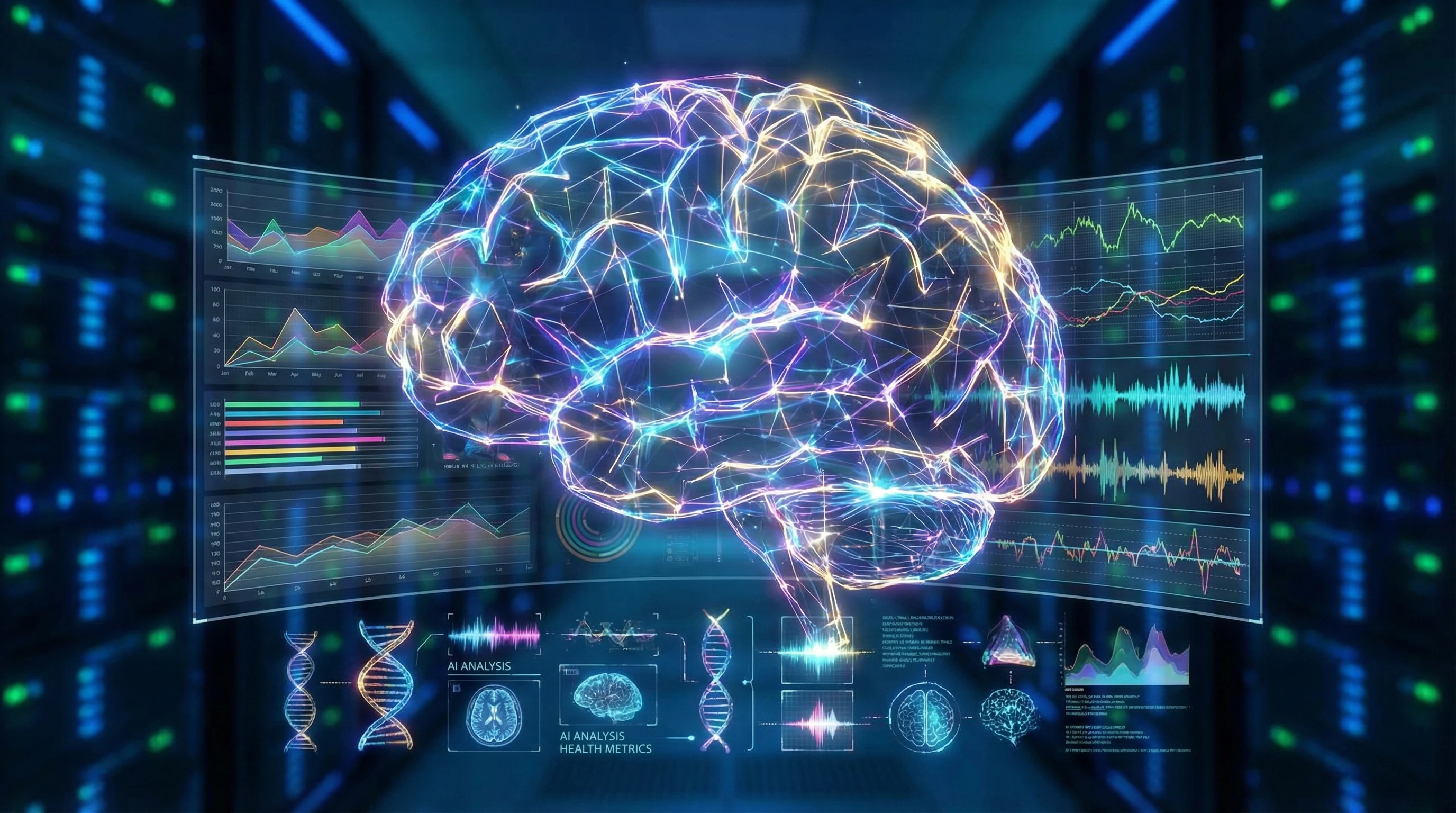
Artificial intelligence is all about having machines learn from data and make predictions based on patterns. For pain sensitivity, researchers use algorithms that can scan through huge databases of patient information. These might include electronic health records, results from lab tests, imaging scans, genetic data, or even patient-reported mood checks. Once AI “learns” from this information, it can predict, for example, who is more likely to develop chronic pain after surgery or which pain medications may work best for a specific individual.
This approach is already showing promise in early research. Some systems look for patterns in how pain signals travel through nerves or identify biological markers like certain genes or proteins. Others track pain diaries or wearable sensor data to predict pain “flare-ups” in real time. By catching these warning signs early, doctors can adjust treatments before pain becomes overwhelming, helping prevent misplaced prescriptions or unnecessary suffering.
Starting Points: How AI Analyzes Pain Data
Getting reliable predictions from AI is not as simple as feeding it random data and hoping for the best. I see the process fall into a few practical steps:
- Data Collection: Gathering detailed information is key. That means collecting genetic tests, patient histories, physical exams, and even activity logs from smart devices like fitness trackers or smartwatches.
- Data Preprocessing: Before AI can analyze anything, messy data from different sources has to be cleaned up. This ensures missing, wrong, or duplicate data doesn’t throw off the predictions.
- Training Algorithms: Researchers “teach” AI by showing it lots of examples, such as people with similar backgrounds and treatments. Over time, AI starts noticing the patterns that link certain data points to higher or lower pain sensitivity.
- Predicting Outcomes: The system makes forecasts about individual pain risk or the likely success of treatments based on past cases it’s seen.
- Regular Updating: Because pain and health change, AI systems benefit from ongoing data, so predictions keep improving as new information arrives.

Facing Real-World Hurdles: What You Need to Keep in Mind
While AI is super helpful, it’s not magic. There are several practical hurdles that anyone looking at pain prediction should consider:
- Privacy and Security: Personal health data is sensitive. Strong protections and ethical standards are really important to keep information safe and private.
- Data Quality: If the input is flawed, so are the results. Predictions rely completely on the quality of the data collected. Incomplete or inaccurate information can lead to mistakes in pain predictions.
- Bias: AI can develop biases if it gets trained mostly on people of just one background or health condition. It’s important that datasets represent the real diversity of patients.
- Integration with Care: No computer replaces the judgment of a skilled doctor. AI predictions are only one piece of a larger decision making process in real-world healthcare settings.
Privacy and Security
I pay particular attention to how data is protected. Health information is uniquely personal, so any system using AI for pain prediction must handle it carefully. This means following strict data protection laws, using clear consent forms, and keeping data storage and sharing as safe as possible.
Data Quality
Reliable results always start with accurate info. I see nurses, doctors, and engineers working together to make sure the data entered is as precise as possible. Sometimes this involves cross-checking lab results, patient stories, and wearable trackers, reducing the chance of mistakes piling up.
Bias and Fairness
One challenge I often notice is the risk of bias creeping into predictions. If datasets lack diversity in age, ethnicity, or healthcare access, AI predictions may not apply fairly to everyone. Expanding who participates in research studies and guiding algorithms to spot their own blind spots are two ways to help.
Real-World Use
Even the smartest algorithm needs to fit into how healthcare really works. Doctors and nurses bring experience, empathy, and judgment that AI simply doesn’t have. I see AI as a tool that helps guide decisions; it’s never a final answer.
As AI technology develops, collaborative studies and feedback from real patients and care teams play a huge part in making sure AI tools work well outside the lab or research setting. Many hospitals are starting to hold regular team meetings to evaluate how AI-driven predictions are working for their patients, encouraging communication between healthcare pros and software developers. This team effort ensures the technology stays relevant, safe, and accurate in fast-moving clinical environments.
Advanced Techniques: How AI Gets More Accurate
AI keeps getting better at predicting individual pain sensitivity, mainly because of new and improved techniques. Here are a few:
Machine Learning Models: Some models, like neural networks, have become skilled at recognizing subtle patterns in pain-related data. Others, like decision trees, help researchers trace exactly how the prediction was made, which is helpful for building trust.
Wearable Technology: Devices that track heart rate, sleep patterns, movement, and even skin temperature provide a steady stream of clues about pain. By combining data from wearables with what’s already in health records, AI tools can spot changes earlier than a doctor might on their own. For example, a sudden drop in deep sleep noticed by a wrist tracker might flag an upcoming pain spike, helping doctors step in sooner.
Natural Language Processing (NLP): AI can scan patient notes and language used in pain diaries. Sometimes, subtle changes in how someone describes their pain predict an oncoming pain episode before it gets severe.
Genetic and Molecular Analysis: Advanced systems now screen for specific gene patterns or proteins linked to pain sensitivity, tailoring treatments that match a person’s biology.
Combining these approaches gives a more detailed picture. AI can fine tune recommendations for pain therapies, suggest lifestyle adjustments, and offer medication choices, all based on information that might otherwise sit unused or unnoticed in the background. In fact, some clinics have started to use AI-powered dashboards to summarize these recommendations in an easy-to-read report for both patients and doctors, making shared decision making a smoother process.

Practical Applications and Where AI in Pain Sensitivity Is Going
I’ve seen growing examples of how AI pain prediction benefits everyday care. For instance, in hospitals, AI helps doctors identify patients at risk of severe pain after surgery so they can act ahead of time. In chronic pain clinics, AI-powered mobile apps track symptom patterns and make personalized recommendations that help people avoid flare-ups. At home, smart devices now help alert patients if their activity patterns or sleep trends suggest they may be entering a rough patch with pain, so they can take early steps or reach out to their care team sooner.
- Post Surgery Care: Predicting who will likely need more pain management support, which can speed recovery and cut down on readmissions.
- Medication Planning: Matching pain relief medicines and dosages with the patient most likely to benefit, avoiding unneeded side effects.
- Chronic Pain Management: Helping people track, understand, and control day to day changes in their pain; this often leads to fewer missed workdays and better quality of life.
- Behavioral Insights: Adjusting therapy plans according to stress levels or sleep quality, which AI might spot using wearable tech and self-reported symptoms.
Because everyone’s pain experience is so unique, using AI to find and act on pain patterns makes healthcare more personal. Still, careful use and ongoing evaluation are really important to make sure these systems stay helpful, fair, and trustworthy. AI can never replace caring conversations or professional judgment, but it can give those professionals better information to work with, making every patient conversation a little more effective. Whole health systems stand to benefit—less wasted time, fewer errors, and more patients feeling heard and helped.
Frequently Asked Questions
Here are some common things people wonder about when learning about AI in pain prediction:
Question: Can AI really predict how much pain I’ll feel?
Answer: AI helps spot patterns and gives general forecasts, but it’s not exact. It can tell if you are more likely to feel a certain level of pain based on your information, but nobody can predict it perfectly every time.
Question: How safe is my data when used for pain prediction?
Answer: Good AI projects follow strong security rules. They protect identities and share information only with permission. Look for medical centers or apps that clearly state their privacy policies. If you’re concerned, you can always ask what safeguards are in place before sharing your data.
Question: Will AI replace my doctor in managing pain?
Answer: AI can give extra insights, but healthcare decisions still depend largely on doctors, nurses, and your own experiences. AI is a helpful tool, not a replacement for relationship-based care. In fact, many doctors say that access to AI support lets them spend more quality time listening to their patients instead of tracking down paperwork.
Moving Forward with AI and Pain Sensitivity
Using AI to predict pain sensitivity gives people more control and helps doctors deliver care tailored to real needs. Whether using wearable data, genetic tests, or simple questionnaires, blending AI insights with personal attention is shaping how medicine addresses pain going forward. As these systems become smarter and more widespread, I expect to see pain management become more proactive and responsive than ever before. This blend of technology and human touch holds the promise to lessen the burden of pain and improve lives one person at a time. The next few years are sure to bring even more advances, making healthcare easier, safer, and more personal for anyone dealing with ongoing pain.