Inflammation and nerve pain often show up together, but it can take some digging to figure out why. Many people feel aches, tingling, or even burning pain when inflammation is happening somewhere in their body. This connection between inflammation and nerve pain isn’t random. There are interesting processes happening at the cellular level that crank up pain signals. Here, I’ll break down how inflammation gets your nerves involved, and why it matters for managing pain, especially when it sticks around.
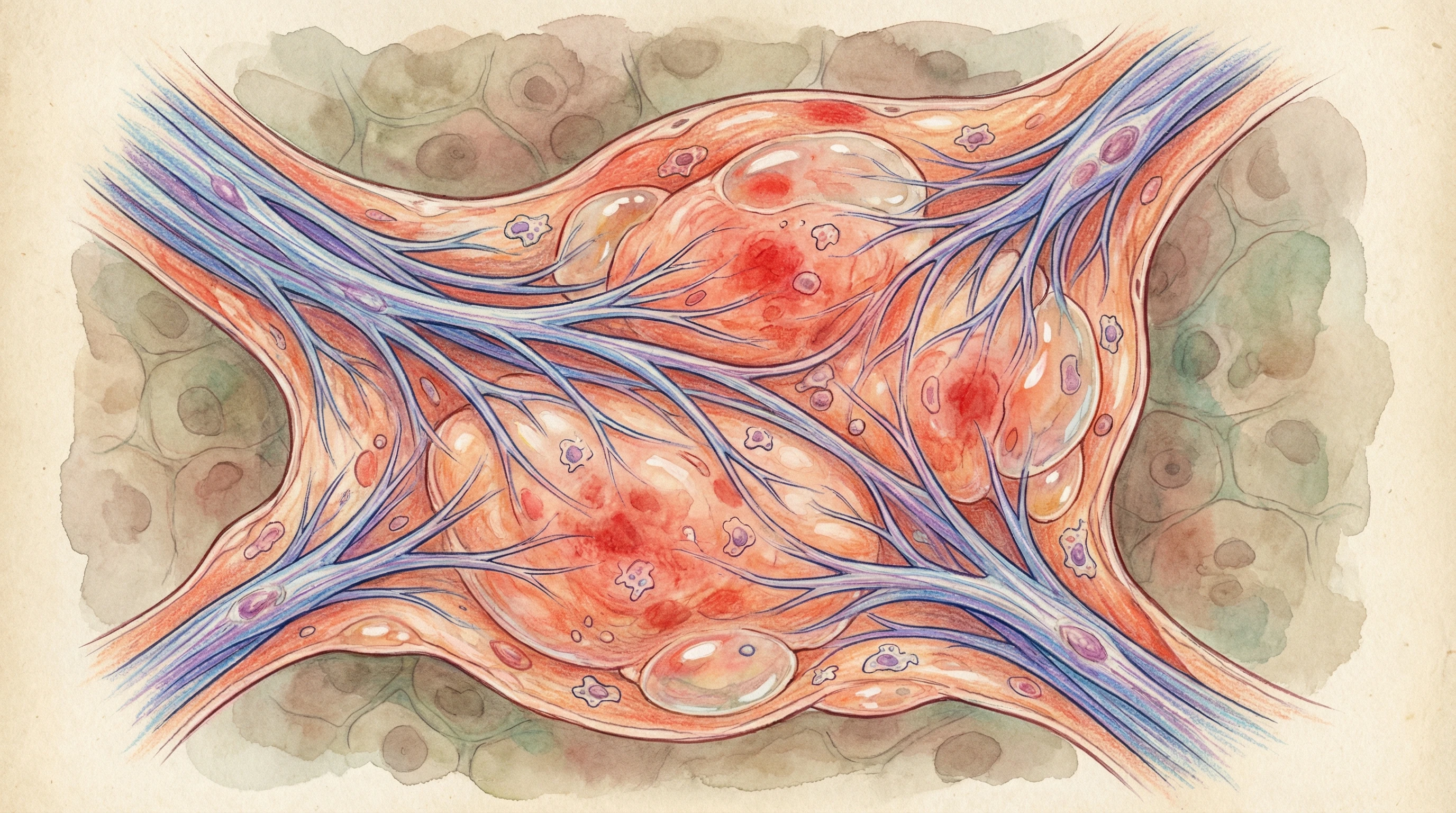
How Inflammation Affects Your Nerves
Inflammation is your body’s natural way of defending itself against injury or infection. It’s designed to kick out invaders or fix wounds, but sometimes things go a bit overboard. When inflammation keeps hanging around, it can set off a series of events involving your nerves. This process can make nerve pain — also called neuropathic pain — feel much worse than expected from the original problem.
Inside your body, nerves are always relaying information back to your brain. These nerves are wrapped up by special cells and blood vessels, and usually send pain signals only when something is wrong. When inflammation builds, chemicals like cytokines, prostaglandins, and growth factors are released. These substances can irritate nerves or make them more sensitive to pain signals. In a sense, inflammation is like an amplifier; it turns up the signals your nerves send, even when the damage isn’t that major, so you notice pain much more easily.

Key Players: How Chemicals from Inflammation Trigger Nerve Pain
Your immune system lets loose a batch of chemical messengers when you get injured or sick. The key messengers here are cytokines (like TNF-alpha and interleukins), prostaglandins, and bradykinin. Each of these has a part to play in setting off pain:
- Cytokines: These are small proteins that help kickstart and direct the inflammatory response. Some cytokines act directly on nerve cells, making them super sensitive. Others signal to nearby tissues to keep the inflammation going, which keeps nerves fired up.
- Prostaglandins: These show up after tissue injury and are known for making pain worse. They lower the threshold that a nerve cell needs to shoot a pain message — meaning things that never hurt before can suddenly feel painful.
- Bradykinin: Released during tissue damage, bradykinin can cause pain directly and makes the nerve endings even more responsive to other pain-inducing chemicals.
This goes beyond swelling or redness. It’s about these chemicals combining their effects on nerves at the site of inflammation and even along the entire pain pathway.
Nerve Sensitization: Why Ordinary Touches Can Feel Painful
Normally, nerves don’t send strong pain signals unless there’s a real problem. But with inflammation, nerves get stuck in a sort of alert mode. This is called sensitization, and it comes in two main forms: peripheral and central.
- Peripheral Sensitization: At the injury site, the chemical mix from inflammation makes nerve endings more responsive. Even light touches start to feel like pain.
- Central Sensitization: If inflammation continues, signals travel up the spinal cord and make neurons there more sensitive too. This means your whole pain pathway may become extra reactive, even after the original issue chills out.
This is why people with chronic inflammatory problems, like rheumatoid arthritis or sciatic pain, often experience pain that just won’t quit — or pain from things that shouldn’t hurt, like loose clothes or a gentle gust of wind.
Pain Pathways: From Nerves to the Brain
Once nerves are triggered by inflammation, pain signals move fast along nerve fibers toward the spinal cord, then on up to the brain. C-fibers carry slow, aching pain, while A-delta fibers send quick, sharp pain messages. Inflammation boosts the activity of these pathways in both cases.
One thing to note: your brain isn’t just listening. If it keeps getting strong pain messages, it can “learn” to see things as more painful over time. This pain memory can make chronic inflammation and nerve pain hard to manage. The longer inflammation nudges nerves, the more involved your brain becomes in keeping the pain going.
Examples of Inflammation-Driven Nerve Pain
This relationship isn’t just theory — it shows up often in people dealing with chronic pain. Some classic situations include:
- Arthritis: Persistent joint inflammation lets loose pain-inducing chemicals that annoy nearby nerves, making them hypersensitive. Mild pressure or movement can then trigger pain.
- Shingles: Known for its fierce nerve pain, shingles can cause burning discomfort that lingers, even after rashes fade. This pain is the result of both inflammation and the virus itself targeting nerves.
- Diabetic Neuropathy: High blood sugar sets off inflammation in small arteries and nerves, making those nerves highly sensitive.
People with these issues often find relief with anti-inflammatory medications, pointing toward that close connection between inflammation and nerve pain.
Tackling Inflammation to Manage Nerve Pain
Knowing about the link makes it easier to manage nerve pain. These strategies have proven useful:
- Anti-Inflammatory Medications: NSAIDs and corticosteroids can reduce inflammation and take the bite out of nerve pain at the same time.
- Physical Therapy: Gentle exercises and movement increase blood flow, ease inflammation, and help calm irritated nerves. Plus, regular stretching can keep mobility up, which is a bonus for joint and nerve health alike.
- Diet and Lifestyle: Anti-inflammatory foods like berries, leafy greens, and fish oils help, as does drinking plenty of water and finding ways to knock down stress. Ongoing stress raises inflammation throughout your body.
Plenty of people notice big improvements by getting inflammation under control, sometimes just by making small tweaks to daily habits — like cutting out certain foods or moving more often. These little steps add up and can lead to less nerve pain over weeks or months.
What to Watch Out For: Common Challenges When Managing Inflammatory Nerve Pain
- Pain Flare-Ups: Weather changes, stress, or missed medication can bring sudden pain spikes. It helps to have a backup plan, such as extra rest or a favorite topical cream, ready in case this happens.
- Medication Side Effects: Some anti-inflammatory meds can be tough on your stomach or kidneys with extended use. Regular check-ins with your doctor help keep things in balance and catch side effects early.
- Identifying Triggers: Certain foods, activities, or even lost sleep can stoke inflammation. Keeping a symptom diary can help you spot patterns over time, allowing you to act before pain gets worse.
Pain Flare-Ups
Sometimes a pain spike hits right out of the blue. Many people find these flare-ups follow changes like a couple late nights, overdoing activity, or eating foods that tend to intensify inflammation (such as processed foods or those high in sugar). Tracking when these occur can help you stay prepared.
Medication Side Effects
Medication can really help with nerve pain, but anti-inflammatories aren’t always gentle on your system if you use them a lot. You might deal with stomach discomfort, higher blood pressure, or even some kidney issues. For this reason, it makes sense to balance medication with other tools like physical therapy or gentle exercise.
Identifying Triggers
No two people handle nerve pain in exactly the same way. For some, particular foods, stress, or activity changes will trigger an episode. Tracking symptoms in a notebook or app helps you stay ahead of your pain — it’s proactive and can help inform your doctor’s approach to your care.
Even though it may sound complicated, the connection between inflammation and nerve pain gives you something to work with. Getting the inflammation under control — with the right medical help, some lifestyle tweaks, or daily movement — can make nerve pain less intense. Digging into your body’s specific pain triggers and patterns makes handling this pain much more doable in daily life.
Extra Tips for Easing Inflammation-Linked Nerve Pain
Once you’ve got the basics down — like a good treatment plan and a pain management toolkit — there are more ways to lower inflammation and make nerve pain less annoying:
Try Gentle Stretching: Yoga, tai chi, or just a regular stretching routine keeps you flexible, steers away from stress, and may help hold inflammation in check. Low impact movement is easier on joints and nerves, too.
Stay Consistent With Sleep: Missed sleep or changing routines can push inflammatory markers higher. A regular bedtime (and good sleep hygiene) gives your body a leg up in coping with stress and pain.
Use Heat or Cold Packs: Alternating between hot and cold can calm inflamed spots and soothe pain flare-ups. Just remember to wrap any pack in a towel for skin safety, and don’t overdo it.
None of these are magic fixes, but with steady effort and a partnership with your doctor, they let you feel more in control of nerve pain linked to inflammation.
Frequently Asked Questions
Got questions about inflammation and nerve pain? Here are a few that come up all the time:
Question: Can nerve pain fade away if inflammation stops?
Answer: Sometimes, it can. If you get a handle on inflammation fast and treat it effectively, nerve pain may fade or disappear. But if nerve sensitization goes on for too long, pain can stick around even after inflammation cools down. Acting quickly offers the best chance for a pain-free recovery.
Question: Are foods that fight inflammation beneficial for nerve pain?
Answer: For some people — especially those with ongoing inflammation — adding anti-inflammatory foods (such as fish, green vegetables, turmeric, and whole grains) really does help pain. Checking in with a healthcare pro before changing your diet is always smart.
Question: Why does nerve pain happen after infections like shingles, but not for everyone?
Answer: Everybody’s body handles infections a bit differently, and your genes play a role. How your immune system clears an infection — plus how your nerves respond — both influence your risk for nerve pain after you’ve been sick.

What Makes Nerve Pain From Inflammation Unique?
Pain from inflammation doesn’t always match pain caused by an external injury. It usually arrives with swelling, a feeling of pressure, or extra sensitivity around the area. It can even tag along with brain fog and fatigue, especially when inflammation becomes a whole-body issue. These factors make it tricky to treat, but once you understand what’s happening, it’s easier to team up with your doctor and try new approaches.
The path to calmer nerves and less inflammation is personal for everyone. The more you know about the link, the better prepared you are to reduce your pain and get back to what you love doing.