Understanding how people from different cultures report and pick up on pain can help health professionals give better care and avoid misunderstandings. I’ve read a lot about this because of how often I’ve seen patients and providers at cross-purposes, simply because they grew up with different views on pain. Whether someone describes pain as mild or severe often depends on family expectations, social norms, and even language. This article will walk you through key factors that shape pain reporting and perception around the world.
Why Culture Matters in Pain Perception
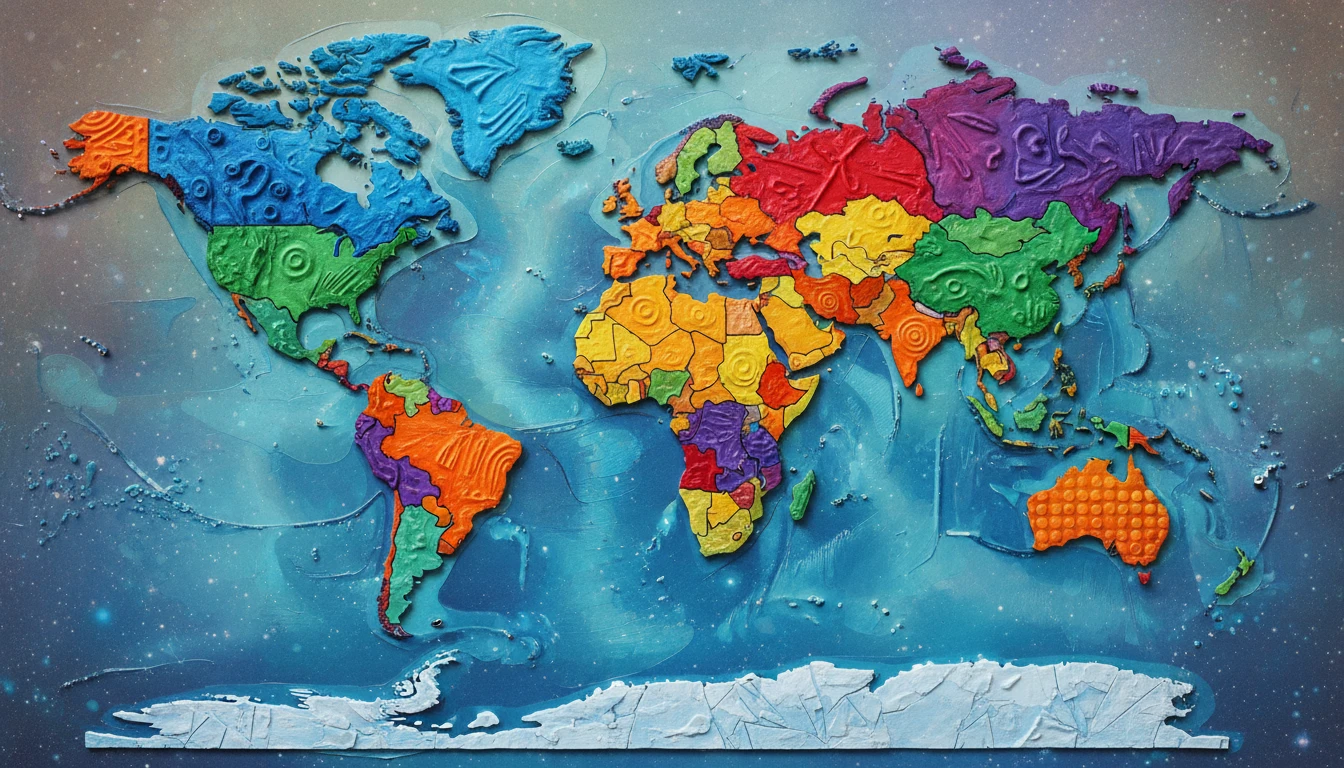
Pain is a universal experience, but how it’s described and felt is shaped a lot by where and how you grow up. Even people who share similar backgrounds can report the same pain differently. Research from the International Association for the Study of Pain, as well as other academic sources, backs up the idea that culture hugely influences pain outcomes.
Some cultures encourage showing pain and getting support, while others teach that staying quiet is a sign of respect or strength. That cultural background doesn’t change what your body feels, but it really affects how you talk about it and deal with it.
Understanding Definitions: What Is Pain Intensity?
Pain intensity means just how much discomfort someone feels right now. Health providers often use standard pain rating scales, like the 0 to 10 Numeric Rating Scale, where 0 is no pain and 10 is the worst pain you can imagine. These tools help make pain seem more objective, but they can’t smooth the way for cultural differences in how people use numbers or words when rating pain.
For example, I’ve met people who say their pain is a “5,” meaning it’s getting uncomfortable, while someone else with a different background might not even mention pain until it’s an “8.” These differences can directly shape how pain is treated. Sometimes this leads to under-treatment or overtreatment, based not on real pain but on how it’s reported.
Factors Shaping Pain Expression Across Cultures
- Language and Communication: Some languages have loads of ways to describe pain quality or intensity, while others lean more on nonverbal cues like facial expressions and gestures.
- Family and Social Support: In certain cultures, showing pain among family and seeking group support is the norm; in others, pain is handled more privately.
- Gender Roles: Some societies expect men to talk less about pain than women, or for kids to keep pain private, which affects honesty during assessments.
- Religious Beliefs: Pain may be seen as a punishment, a test, or even something noble to put up with, changing how people talk about their pain and what treatments they will accept.
In my own practice, I’ve seen pain described as “tolerable” or “manageable” by people who are clearly uncomfortable, just because they didn’t want to worry their family or seem demanding. Knowing these differences can totally change a care plan.
Common Challenges in Measuring Pain Globally
When health providers aren’t aware of these cultural twists, misunderstandings easily happen. If a person reports much less pain than they’re feeling, a doctor may offer too little pain relief. On the other hand, strong expressions of pain can lead to extra tests or even suspicions of “making it up.”
Translating pain scales isn’t easy, either. Some languages don’t have clear words for “ache,” “sharp,” or “throbbing,” which creates confusion. Providers who just use written scales instead of real conversation risk missing out on important clues.
Quick Guide: Practical Tips for Understanding Cultural Differences in Pain
- Ask Open-Ended Questions: Instead of just numbers, ask how pain changes daily tasks or sleep.
- Use Nonverbal Cues: Watch for facial expressions, how someone sits or moves, and family interactions for extra clues.
- Clarify the Pain Scale: Take a minute to explain what “0” and “10” really mean, and ask for real-life examples.
- Respect Beliefs: If pain is tied to spiritual or personal beliefs, show empathy and factor it in when mapping out treatment options.
- Get Family Involved (If Appropriate): With some patients, having family around leads to more open pain sharing and more accurate assessments.
Using these steps makes it much easier to connect and cut down on miscommunication about pain.
Things To Consider: Why Underreporting or Overreporting Happens
People have a bunch of reasons for reporting pain a certain way. Here are some common influences I’ve seen:
- Stigma and Judgment: If a culture sees showing pain as weak or dramatic, people downplay it, especially in stoic or group-centered societies.
- Hope for Attention: Sometimes, more visible pain communication brings needed support or just makes sure someone listens.
- Language Challenges: Medical terms or instructions might not make sense, pushing people to choose a safe, middle-ground answer.
- Past Experiences: If someone’s pain wasn’t believed or treated before, they may exaggerate or minimize pain now, just to get what they feel is proper care.
Language Differences
Words aren’t always the whole story. Not every language has neat translations for different pain types. While working with Southeast Asian families, I noticed “pain” sometimes doubled as physical discomfort and spiritual unease, which made straightforward questions miss the mark. Learning a few local pain words or using images can result in better understanding.
Social Expectations
Cultural rules about sharing feelings matter. In Japan, I saw people often connect hiding pain to maturity, leading to low pain reports even in tough cases. Meanwhile, an Italian friend of mine expressed pain dramatically and anticipated support—very different expectations that impacted his care experience. Knowing these patterns helps smooth out frustrations on both sides.
Provider-Patient Relationship
Trust is key. Patients who share language or cultural ties with providers are more comfortable sharing the truth about their pain. Honest, open discussion leads to care that fits better and feels more personal.
Advanced Tips for Cross-Cultural Pain Assessment
Extra attention during pain assessment can make a huge difference for those from other backgrounds. Here are some tips that help daily:
Mix Tools and Approaches: Use a combination of pain scales, open questions, and real-world scenarios, such as, “How does this pain affect your cooking, walking, or playing with your kids?” Getting real-life examples offers a fuller view and helps people express what they actually feel.
Bring in Interpreters or Cultural Liaisons: Trained interpreters or cultural guides are great for breaking down language and cultural gaps, especially for patients with limited understanding of medical English.
Check for Changes Over Time: Notice if pain reports become more open after a few visits. I’ve seen patients share much more as they get used to and trust their care team.
This thoughtful, blended approach leads to fairer and more accurate pain management that respects cultural context and individuality.
Practical Examples of Cultural Effects on Pain Reporting
- East Asian Contexts: Family values support stoicism and endurance, leading to private pain sharing and often late visits to clinics. Many people endure discomfort longer and only share when pain is truly impossible to keep in.
- Latin American Communities: Showing emotion is encouraged, so pain is described in lively, expressive ways. Support networks are fast to respond, and providers are expected to directly address pain issues without delay.
- Middle Eastern Cultures: There may be a lot of respect for medical authority, making people less likely to push back or ask for extra pain relief. Pain here can also be interpreted through a spiritual lens, changing which treatments seem fitting or acceptable.
I’ve seen care teams take things up a notch after learning about these cultural patterns. By taking just a bit more time to explain and staying open-minded about where someone’s coming from, providers avoid missteps and improve outcomes.
Frequently Asked Questions
Question: Why do some people seem to ignore or hide their pain?
Answer: Social rules, previous experiences, or deeply held beliefs often push people to underreport—especially if sharing pain is tied to weakness or inconvenience in their environment.
Question: How can health professionals improve pain assessment in multicultural settings?
Answer: Asking open-ended questions, working with interpreters, and watching for nonverbal cues alongside spoken answers will help reveal the true pain story.
Question: Do certain cultures feel less pain, or just report it differently?
Answer: Research points out that biology doesn’t really set cultures apart; it’s the social rules, expectations, and language that shape how pain is described and reported.
Why It Matters for Patients and Providers
Learning how pain reporting and perception change with culture has real, lasting effects on recovery and care planning. When providers notice these differences and adjust their style, patients trust them more. In my experience, cultural awareness leads to easier communication, better understanding, and a smoother care adventure for everyone. Patients are heard; providers make smarter choices; suffering goes down. That’s what good care is all about.