Pain research has always faced a big challenge: not everyone feels pain the same way. While one person might rate a pinprick as mild, another might see it as pretty uncomfortable. This difference in how people feel and describe pain is called subjective variability, and it’s a real hurdle for both scientists and clinicians. In this article, I’m going to walk you through why this happens, why it matters, and what researchers are doing to make pain studies more reliable and fair.
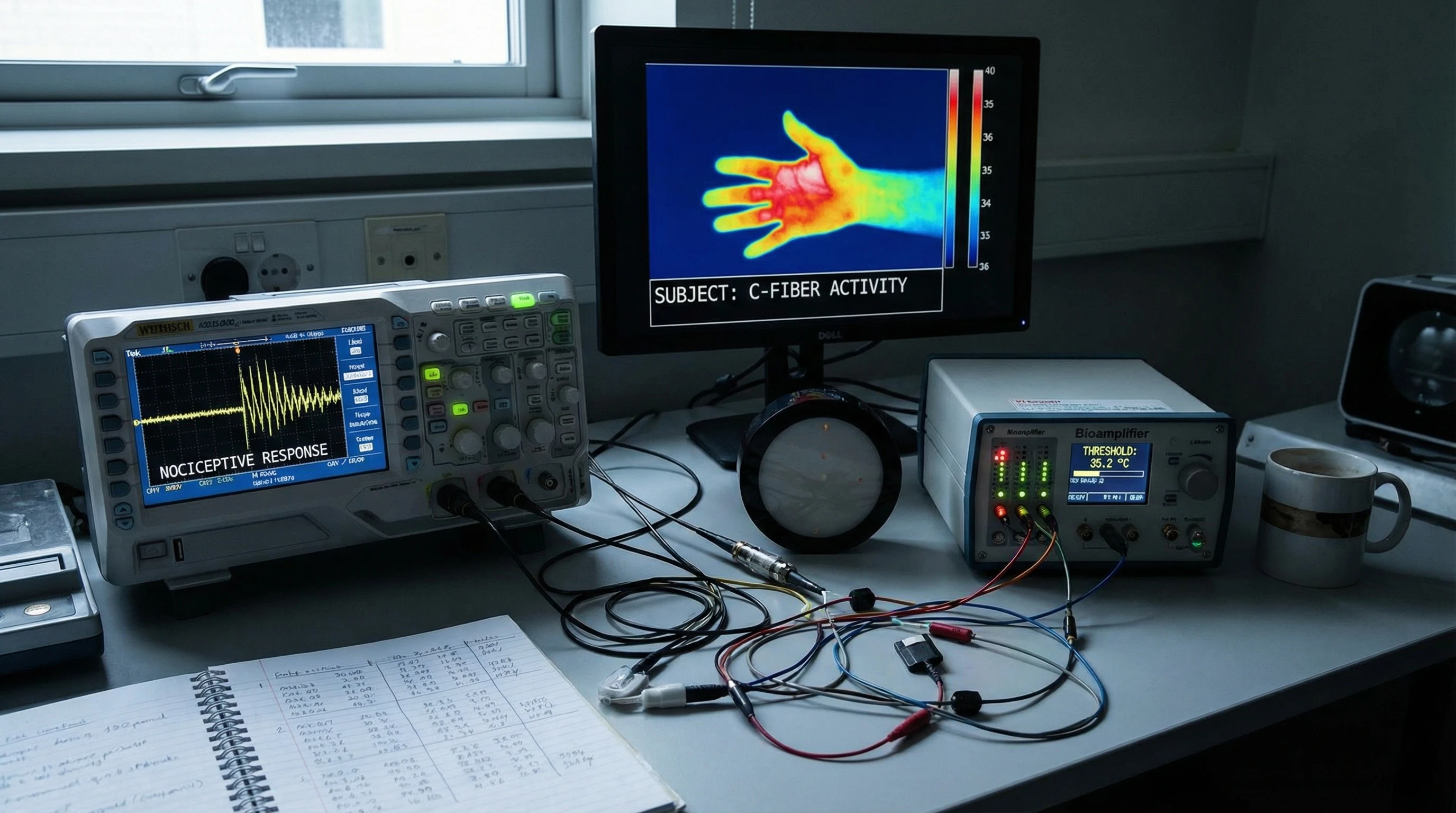
Why Pain Feels Different for Everyone
Understanding why people experience pain differently is important for anyone involved in pain research. Unlike blood pressure or temperature, pain can’t be measured directly with a single device. Instead, I have to rely on a person’s self-report, using scales or questionnaires. There are a few reasons this gets tricky:
- Biological Differences: Genetic factors, health status, and even age can influence pain sensitivity. For example, some people naturally produce more pain-blocking chemicals than others.
- Psychological Factors: Mood, attention, and previous experiences with pain all shape how much something hurts.
- Cultural and Social Influences: The way we learn about pain from family or culture changes how we describe and deal with it. For instance, some cultures encourage stoicism, while others expect expressive responses.
When I’ve participated in studies or read personal accounts, I’ve seen just how much social background, mindset, and even language play a role in reporting pain. Two people with the exact same injury can give totally different ratings just based on these factors. Recognizing this helps set realistic expectations for pain research.

How Subjective Variability Affects Pain Research
Subjective variability can impact both the quality and the meaning of any research findings. If the same stimulus creates a different report in every participant, it gets really hard for me and other researchers to compare results or draw general conclusions. Here’s how these differences can cause confusion:
- Difficulty in Comparing Studies: If Pain Study A uses a 0 to 10 scale and Pain Study B uses a facial expression chart, it’s tough to put the results side by side.
- Problems in Drug Trials: If some people report pain more or less intensely, a treatment might look more or less effective than it really is.
- Challenges in Diagnosis: Doctors have to decide who needs more treatment without always having reliable, objective numbers to go on.
I’ve noticed, both as a patient and a reader of medical stories, that some people get dismissed or overtreated based solely on their pain descriptions. So, reducing subjective variability is not just a research goal. It’s something that helps patients and healthcare professionals find the best path forward.
Approaches to Measuring Pain: Strengths and Gaps
Commonly used pain measurement tools try to put a number on a feeling, but each has its own strengths and weak spots. Here are a few approaches I’ve come across and what they do well or miss:
- Numerical Rating Scales (NRS): People choose a number to match their pain. Simple, but everyone’s “7” could mean something different.
- Visual Analog Scales (VAS): People draw a line on a continuum from “no pain” to “worst pain.” This can give more precise information, but is hard for some to use.
- Questionnaires: Forms like the McGill Pain Questionnaire ask about different qualities of pain (sharp, throbbing, etc.), which helps capture more detail. Yet, interpretation can still vary with language or education.
- Behavioral and Physiological Measures: Sometimes I see studies that use heart rate, brain scans, or facial expression coding. These add useful info but are not perfect standalone replacements for self-reports, because stress or excitement can also affect these markers.
Some researchers are exploring combinations of these approaches. For instance, using both a numerical scale and observational checklists can cross-check accuracy. In clinical trials, scientists might even use genetic testing to see if there’s a link between certain gene profiles and how people rate pain. While these methods can’t make pain rating totally objective, they add context and help researchers spot outliers or inconsistent patterns. The more data points scientists collect, the closer they can get to reliable findings, even though some subjectivity will always remain.
Strategies for Overcoming Subjective Variability
Researchers have come up with practical strategies to reduce the impact of variability and improve the trustworthiness of pain data. I use and recommend several of these approaches to make research findings more dependable:
- Standardizing Instructions and Scales: Giving everyone the same, clear instructions and using the same pain scale across studies avoids confusion. This levels the playing field so responses are more comparable.
- Training Participants: Briefing participants on how to use the scales and what different points mean helps a lot. Practice runs can make their responses more consistent.
- Blinded Study Designs: When neither the participant nor the researcher knows which treatment is being given, personal expectations have less influence, making pain reports more neutral.
- Multiple Assessments: Collecting several pain ratings at different times and in different ways can get a more balanced picture, reducing the influence of mood or distraction at any single timepoint.
- Using Objective Biomarkers (When Available): Combining verbal pain ratings with simple physical measures (like skin conductance or reflexes) can help cross-check how a person says they feel against body responses.
The Role of Consistent Language and Translation
Language differences are a big obstacle to standard comparisons, especially in international studies. I’ve learned that careful translation and backtranslation of pain questionnaires keep the meaning consistent. In some cases, adapting pain scales to fit local cultural norms (while sticking close to the original) leads to better results. Working closely with native speakers and cultural experts improves the accuracy of pain reporting.
Technological Solutions Making a Difference
Technology is bringing some fresh ideas to pain measurement. Smartphone apps, electronic diaries, and wearable sensors make it easier to grab real-time data as pain happens, not just after the fact. These can track triggers, timing, and responses, giving researchers more detailed information. Digital pain diaries also help keep participant responses private and unbiased, which reduces social pressure to report more or less pain. More advanced solutions are now in development: artificial intelligence tools are being explored to analyze speech or facial expressions to spot pain signals, while cloud-based platforms enable researchers from different locations to bring together data sets and track patterns over time.
Common Challenges and Ways to Tackle Them
Even with careful planning, several hurdles can still pop up in pain research. Here are some I see most often, along with ways to limit their impact:
- Recall Bias: People have trouble remembering the exact intensity of pain after the moment has passed. Real-time or “in the moment” data collection helps keep memories fresh and data more accurate.
- Reporting Fatigue: If I ask participants to record their pain too often, they get tired and might not answer honestly. Spacing out surveys at practical intervals and making them easy to complete can help.
- Expectations and Placebo Effects: The belief that a treatment should help often changes how people report pain. Using blinded and placebo-controlled study designs keeps these effects in check.
- Cultural Attitudes: Some cultures value “toughing it out,” so people may underreport pain. Offering reassurance and privacy boosts honest answers and makes the data stronger.
Another growing challenge involves getting enough diverse participants. Many pain studies rely on small or demographically similar groups, which means their results don’t always apply to broader or underserved populations. By reaching out to wider communities, offering flexible study formats (in-person or online), and making research materials available in many languages, researchers can make sure their findings are more accurate and representative.
Personal Experience: Learning from Both Sides
As someone involved in pain research, I’ve filled out more pain scales than I can count. I’ve also watched friends participate and talk through their confusion about what numbers to pick or how to describe their pain. Sometimes, even when I thought I gave the same answer twice, I’d realize I’d been in different moods or thinking about different things. These experiences remind me that regular feedback, good instructions, and simple tools make a real difference for both participants and researchers. Staying patient and checking back with participants about their understanding of the scales goes a long way toward gathering honest, helpful data.
Practical Implications for Clinical Care
Everything learned from research ends up affecting health care decisions. Doctors use pain scales to choose treatments, monitor recovery, and even decide who gets certain therapies. If pain reporting is unreliable, patients might not receive the care they need, or they could end up getting more medication than is actually necessary. Using a mix of tools, asking about pain in several ways, and understanding each patient’s background lets clinicians tailor care more carefully and fairly.
- Improved Assessment: Using several types of pain ratings helps confirm what a patient is experiencing.
- Better Communication: Asking clear questions, and checking back after treatment, leads to more honest dialogue with patients.
- Personalized Care: Paying attention to how each person explains their pain gives better recovery plans and more appropriate medication use.
Clinicians can also make use of educational handouts or pain diaries to empower patients to share their experiences actively. In group care settings, discussing pain openly can lead to better understanding and support among patients facing similar issues. Respecting individual preferences for how pain is discussed—and offering options like drawings or analogies—can open new paths to clarity and healing.

Frequently Asked Questions
Here are some questions I often hear about pain perception in research:
Question: Why is it so hard to create a universal pain scale?
Answer: People describe and feel pain differently because of genetics, background, language, and personal experiences. This makes a single perfectly universal scale almost impossible. Researchers try to make things more fair by standardizing instructions and using multiple scales when possible.
Question: Can body measurements like blood pressure or heart rate replace pain self-reports?
Answer: These can add useful info but can’t fully replace self-reports. Many things affect these body responses, not just pain. Combining both types of data gives a fuller picture.
Question: What’s the most reliable way to measure pain in research studies?
Answer: Using several methods at once, like self-reports, behavioral observations, and body measurements, improves reliability. Training participants and making the tools simple also helps a lot.
Question: Do demographic factors like age and gender impact pain reporting?
Answer: Yes, studies show that age, gender, and even socioeconomic status can play a role in how people describe or tolerate pain. Taking these factors into account helps researchers and clinicians get more accurate, fair results in studies and real-world treatment settings.
Key Takeaways for Pain Researchers and Clinicians
Overcoming subjective variability in pain research works best with a combination of strategies. Standardizing language, using multiple scales, training participants, and bringing together self-reports with physical measurements make studies more accurate. Reflecting on patient experiences, respecting cultural differences, and making the most of new technologies move pain science forward. Careful planning and a personal touch help researchers and healthcare professionals get closer to truly understanding and treating pain the way it is actually felt.