Wearable sensors are quietly changing how pain is tracked and managed, both at home and in clinics. With real-time pain perception monitoring now possible, many people are getting care that is more responsive and tailored to their needs. As someone who has been watching this technology evolve, I see how these small devices are filling gaps that traditional pain assessment often leaves open. In this article, I’m getting into the latest advancements in wearable sensors for pain perception monitoring, explaining what they offer, what to look out for, and what users should keep in mind.
What Makes Wearable Sensors for Pain Monitoring Stand Out Now
Pain has always been hard to measure, since each person experiences it differently. Until recently, most pain tracking relied on self-reporting or infrequent vital sign checks in clinical settings. This approach leaves a lot of information out. Wearable sensors can keep track of signals from your body as you go about daily life, painting a more complete picture of how pain comes and goes.
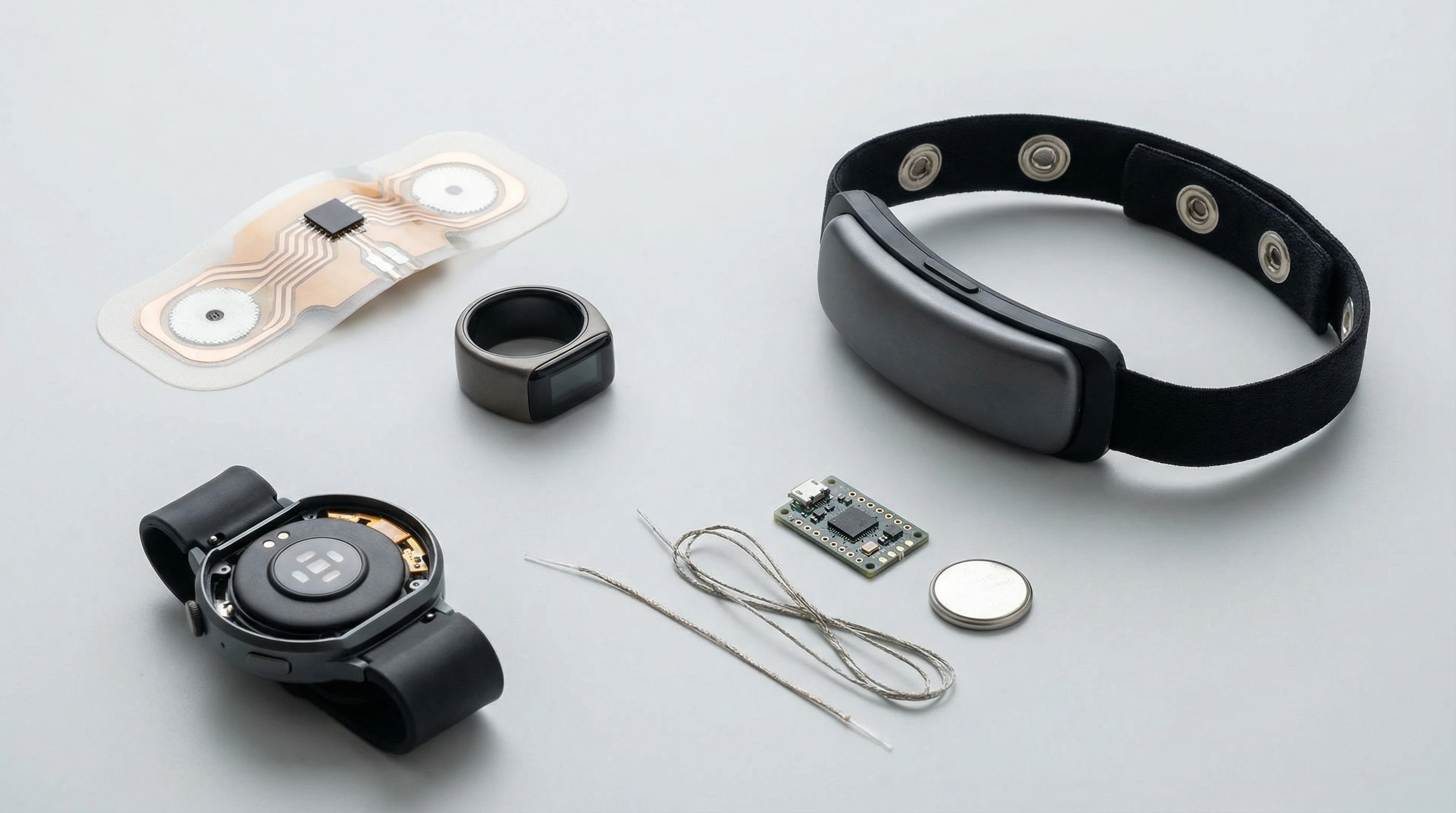
Wearable sensors for pain are typically small devices worn on the skin, wrist, or sometimes built into clothing. They collect data like skin temperature, heart rate, muscle activity, and even signals from nerves. This data is analyzed—sometimes right on the device, other times through a paired app or computer platform—to estimate levels of pain based on established patterns. According to clinical research over the last five years, these advancements are making pain care more personalized and timely, especially for people with chronic pain conditions.

Breaking Down Today’s Wearable Pain Sensor Technologies
Wearable technology for pain monitoring is made up of several components that work together. Here’s a brief rundown of the types of technology in use and what each one does:
- Electrodermal Activity (EDA) Sensors: These pick up changes in sweat gland activity, often linked to stress and pain responses.
- Electromyography (EMG) Sensors: These track muscles and can detect tension or spasms found in some pain states.
- Photoplethysmography (PPG) Sensors: These are commonly used in smartwatches to check heart rate and blood flow patterns, which can change with pain.
- Skin Temperature Sensors: Shifts in temperature are sometimes early signals of discomfort or pain episodes.
- Flexible Electronic Skin (Eskin): This new kind of sensor bends and stretches with the body, providing comfort during longterm use.
I find that newer devices combine several of these sensors to deliver more accurate readings by factoring in multiple signals at once. More advanced designs use artificial intelligence (AI) to refine how pain is detected and reported. For example, the use of machine learning algorithms makes it possible to account for movement or various daily activities, reducing false positives.
Along with these technologies, developers have started adding wireless charging and waterproofing, making sensors even easier to wear throughout the day. The popularity of wearable pain sensors is also driving more research into how each person’s unique biology affects their pain signals, allowing researchers to dig into genetic and environmental factors. This helps pave the way for sensors that can adjust themselves automatically to give more accurate readings over time.

How Real-Time Pain Monitoring Works in Practice
In a clinical setting, real-time pain monitoring gives doctors objective data to work with. This helps determine which treatments are effective and when adjustments might be needed. At home or on the go, wearables send alerts directly to patients or caregivers if a pain spike is detected. This leads to faster action, whether that means taking medication, starting a relaxation exercise, or contacting a healthcare provider.
For instance, someone with fibromyalgia can wear a sensor patch on their arm. The patch gathers heart rate variability and skin conductance data while the person goes about daily tasks. If the device senses a likely pain flare, it sends an alert to their phone. This gives the user the chance to rest or use a pain management tool before the discomfort gets worse.
Several published studies—including findings highlighted by the Frontiers in Neuroscience journal—show that people using wearables for pain tracking report feeling more in control. They also share more consistent and useful information with their care teams, leading to better overall care and fewer missed patterns.
Some clinics now incorporate wearable sensor data into electronic medical records, making it available to a whole care team. This allows multiple providers such as physical therapists, pain specialists, and primary care doctors to review the same data and coordinate care more effectively. With regular monitoring, patients can also spot triggers or patterns that might not be obvious in typical office visits.
Getting Started: What to Know Before Using Wearable Pain Sensors
Jumping into wearable sensor tech can be exciting, but it’s smart to get familiar with a few details first. Here’s what I keep in mind when recommending these devices to others:
- Accuracy and Validation: Look for devices that have been tested in realworld settings, not just labs. Published research or certifications add an extra layer of assurance.
- Comfort and Wearability: Since these sensors are often worn for hours or even days, comfort is super important. Flexible materials or breathable patches may work better for sensitive skin.
- Battery Life: Make sure the device will last as long as you need it before needing a recharge.
- Data Privacy: Check how your health data is stored and used. Reputable brands should clearly explain privacy and security policies.
- Integration with Care: See if the device can share information with your doctor or sync to any health apps you already use. This connection makes follow-ups and adjustments smoother.
Trying out a wearable sensor for pain for the first time takes some getting used to. I’ve found it helps to keep a backup way to measure or track pain, like a traditional pain diary, during the first week or two.
Before buying, consult with your doctor or a pain specialist. They can guide you toward products that are most likely to work for your needs and help set realistic expectations. It’s important to be aware that not every product on the market is equally reliable. Reading reviews and checking for product certifications can help narrow down your options. Some health providers even offer demos, so you can try out sensors before making a purchase.
Challenges and Limitations with Wearable Pain Monitoring
Wearable pain sensors are making big strides, but the technology is still developing and has its challenges.
Signal Noise and False Alarms
Movement, sweating, or even outside temperature changes can distort readings or trigger false alarms. Some of the newer AI systems are getting better at filtering out these signals, but occasional hiccups do occur. As a user, I find it helpful to pay attention to trends over time instead of focusing on single alerts.
Interpretation of Data
Pain is personal. There’s no perfect formula that can turn sensor data into a pain score for everyone. These devices offer supportive information, but talking with a healthcare provider is really important for interpreting results in context.
Cost and Accessibility
While prices are dropping, advanced wearable pain sensors still cost more than basic fitness trackers. Insurance coverage is getting better but isn’t universal just yet. Checking whether your health plan covers remote monitoring or wearable tech can save you some trouble.
In addition, some people may experience skin irritation from adhesives or react to certain materials. It’s worth talking to your provider if you have allergies or sensitive skin, as there are alternative devices or patches available. Keeping devices clean is also important to reduce problems with irritation or malfunction.

Applying Wearable Sensors Beyond the Clinic
Wearable sensors are now used in studies focused on athletes, elderly care, and even workplace wellness programs. For example, pain monitoring devices worn by athletes can signal the start of an overuse injury before pain becomes disabling. In assisted living settings, wearables can prompt staff to check on a resident if the sensors detect unusual discomfort. I see more workplaces exploring wearables to catch signs of stress or ergonomic pain so they can improve working conditions before they become a problem.
- Sports and athletics: Catching injuries at the earliest stages
- Elder care: Monitoring for discomfort in people who may have trouble communicating pain
- Busy workplaces: Spotting trends in pain-related absences and suggesting changes to routines or equipment
The field is growing rapidly, bringing together ideas from engineering, medicine, psychology, and even design. Researchers are now teaming up globally to create sensors that not only measure pain signals but can also respond by triggering soothing sounds, gentle vibrations, or even connecting users to virtual support communities. There is potential for smart clothing and accessories that integrate pain monitoring into your daily style. As more health systems and employers recognize the value of early pain detection, incentives for using wearables at work or in schools may also become common, allowing data-driven approaches to widespread wellbeing.
Each of these uses helps expand the role of wearables far beyond traditional healthcare.
Frequently Asked Questions (FAQ)
I’ve collected a few of the most common questions people have about wearable pain monitoring:
Question: Can wearable pain sensors diagnose where my pain comes from?
Answer: These devices help track when and how strong pain might be, but they don’t offer a diagnosis. Always work with a healthcare provider for a diagnosis, especially for new or worsening pain.
Question: Are wearable pain sensors comfortable to wear all day?
Answer: Many of the newer sensors use lightweight materials and flexible designs, making them comfortable for most users. Trying out a few models may help you find one that matches your needs best.
Question: How reliable are these sensors for people with chronic pain?
Answer: Wearable sensors can offer helpful trends and patterns, but it’s important to use them with guidance from your care team. They don’t replace professional advice but provide extra information to support your care.
Question: How is my data kept safe?
Answer: Reputable devices now use encryption and strict privacy controls. When shopping for a sensor, check the manufacturer’s privacy policy and ask how your data is handled. If you are unsure, speak with your healthcare provider before connecting your device to an app or sharing results.

Everyday Impact of Wearable Pain Sensors
Recent advances in wearable pain monitoring are already making pain management easier for many people. With real-time feedback, users can make better daily decisions and share more accurate information with doctors. From clinical trials for new pain therapies to everyday use by people living with chronic pain, the potential benefits continue to grow. I look forward to seeing these devices become even more userfriendly and accessible.
If you’re thinking about wearable sensors for pain tracking, consider starting with a simple, wellreviewed model and discussing options with your healthcare provider. Staying up to date with new research and product releases puts you in the best position to get the most value out of these helpful devices. The field is moving fast, so there’s plenty more to stumble upon as you explore which options work best for your unique needs.