Understanding pain and how people pick up on it has always been a complicated challenge for scientists and clinicians. As someone who follows health tech closely, I’ve seen how emerging technologies are starting to change the way we research and manage pain. From virtual reality to AI-driven analysis, these tools give new hope for better treatments and deeper insight into what pain really means on both the personal and biological levels. In this article, I’ll share some of the key technologies that are setting the standard in pain perception research right now.
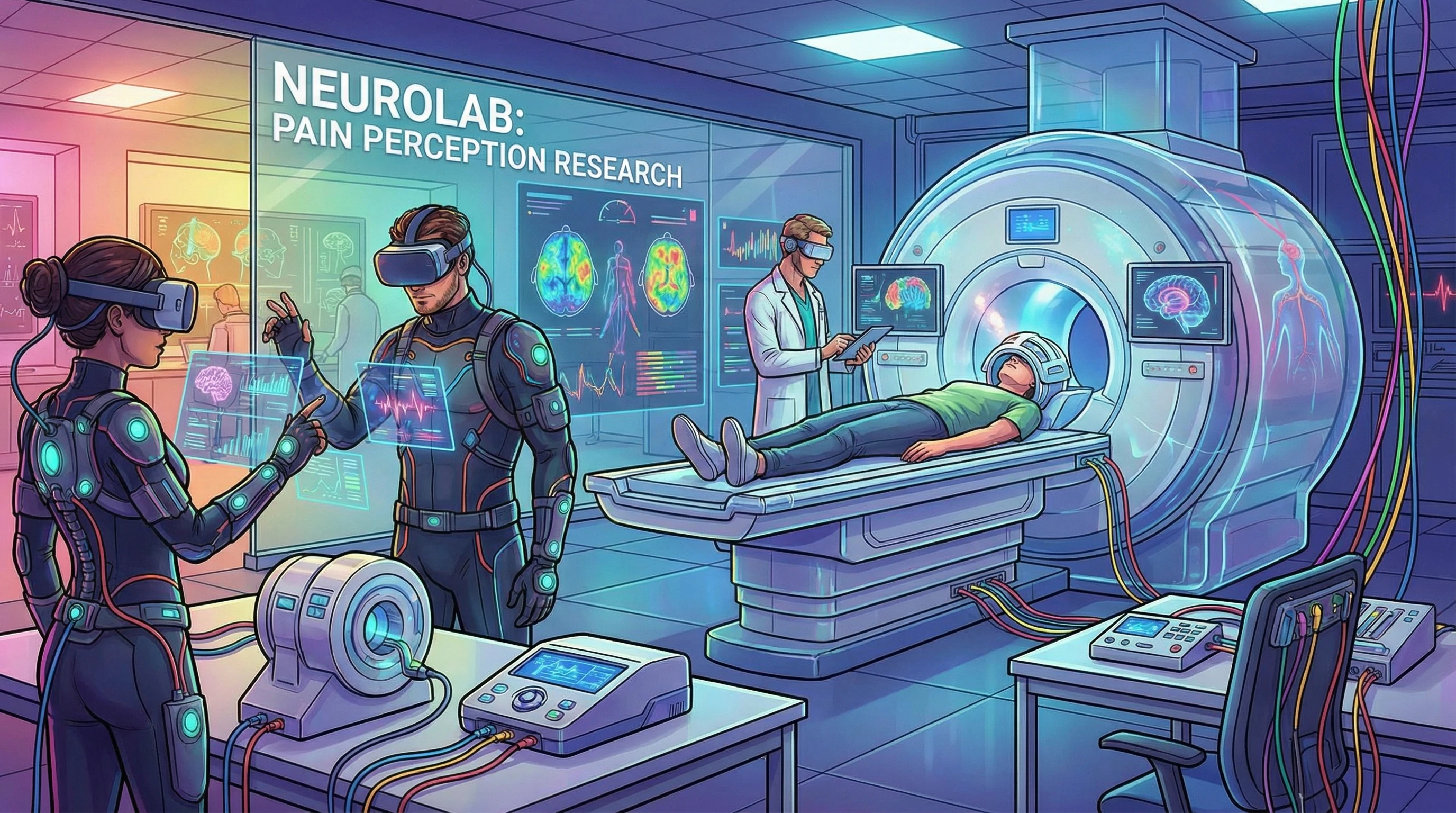
How Technology Is Changing Pain Research
Pain affects everyone in different ways, from brief discomfort to chronic agony. For a long time, measuring and understanding pain relied mostly on patients describing their experience. That approach is helpful, but it can be subjective and sometimes leaves gaps in understanding. New technology is making it possible to gather more objective data, track pain in real time, and even predict how a person might respond to certain treatments.
The worldwide pain management market is expected to grow steadily as these technologies become part of everyday care and research. Several tech advances began in fields like neuroscience, computing, and engineering but are now tailored specifically for pain research, opening up fresh possibilities and approaches for both researchers and patients. As tools become more accessible and affordable, the way pain is tracked and treated could look completely different in the next few years.

Modern Tools Now Leading Pain Perception Research
Technology is bringing several cutting-edge tools to the field of pain research. Here are some of the core tech solutions that researchers are excited about right now:
- Virtual Reality (VR): VR devices allow researchers to create custom environments that distract or immerse a person, sometimes reducing their perception of pain. VR platforms can reproduce stressful or calming scenarios, letting scientists measure a person’s pain responses in different settings. For example, I’ve seen VR used in hospital burn units to help children cope during wound care, making procedures more bearable for them. It brings a whole new layer of interaction to both short-term and ongoing pain care.
- Wearable Sensors: Smartwatches, skin patches, and other sensor devices can measure heart rate, skin temperature, movement, and other physical signals. These devices collect real-world data and are especially helpful for long-term studies. For people with chronic pain, wearables allow for continuous monitoring at home, giving doctors and researchers honest feedback about how pain changes daily and across different activities.
- AI and Machine Learning: Computers trained on massive amounts of data can help spot patterns in brain scans or sensor outputs that humans might miss. These platforms can link different biological markers with reported pain and suggest which interventions are most likely to help, making pain research more precise and tailored. AI streamlines research and can reveal subtle trends that would be hard to see otherwise.
- fMRI and Brain Imaging: Functional MRI scans and other brain imaging tools show active areas in the brain when a person feels pain. Recently, high-resolution imaging and improved analysis software have let scientists map pain pathways more clearly, revealing how different people process pain signals and what might make one person more sensitive to pain than another.
- Genomic and Molecular Analysis: Advanced genetic testing now lets researchers identify gene markers and pathways linked to pain. This moves us toward “precision medicine” for pain, where treatments are selected based on a person’s genetic makeup or specific biological factors.
Getting Started with Tech-Driven Pain Measurement
Researchers looking for better pain management options are welcoming these new technologies. Here are a few important ideas to keep in mind as tech becomes part of everyday pain research:
- Objective Data Collection: Rather than relying only on patient descriptions, tools like wearables and imaging devices help collect continuous physical and biological data. This gives a fuller, more accurate picture of what patients go through.
- Human Factors: Even with all this technology, understanding pain still means listening to how people feel. Blending patient-reported data with tech-generated results gives the most reliable insight and helps researchers bridge the gap between personal experience and measurable results.
- Personalized Research: With so many variables—such as genetics, lifestyle, and psychological factors—personal data collection is becoming the new standard. Many new studies are adaptable, changing protocols to fit each participant rather than sticking to rigid guidelines for everyone.
Benefits and Challenges with Emerging Pain Technologies
New technologies bring a lot of promise, but they also introduce some new challenges. Here’s what I think researchers and patients should know before jumping in:
- Data Privacy: Digital tools collect a lot of sensitive personal health information. Keeping this data secure and getting clear consent from research participants is really important. Many research centers uphold strict privacy standards and aim to be transparent with participants about how their data is put to work.
- Cost and Access: Some of these devices, especially brain imaging or advanced wearables, can be expensive. Not every clinic or research group can offer them, and not every patient can access top-tier tools. There is hope that as technology matures, costs will drop, making these solutions more widely available.
- Interpreting Complex Results: The huge amounts of data from sensors and imaging tools can be overwhelming. Sorting through all the noise to find what matters takes expert knowledge and advanced computing resources. Creating easy-to-use software is making it more manageable for research teams to unlock valuable insights.
- Ethics: Some people worry about the use of neurotechnology or personal genetic data, especially when it comes to privacy and informed consent. Groups such as the International Association for the Study of Pain have published standards to safeguard participants and guide ethical research (IASP Ethics Guidelines).
Virtual Reality in Pain Research
I first got curious about pain research after checking out VR projects in children’s hospitals. VR gives kids fun, interactive “worlds” to distract from medical procedures. Scientists studied the changes in pain levels and anxiety and spotted clear benefits for many. With adults, similar VR settings are being tested to help people with persistent conditions like fibromyalgia, and early studies suggest VR can make day-to-day pain easier to handle.
How AI Is Improving Pain Analysis
AI and machine learning platforms can scan thousands of images and pain reports in minutes, looking for tiny patterns that might mean something important. For example, researchers at Stanford created an AI model that guesses who might develop chronic pain after surgery using early-stage data (source). These models don’t replace doctors, but they act as decision-support tools to speed up research and make better choices in care.
Molecular and Brain Imaging Approaches
High-resolution MRI scans pick up minute changes in the brain that signal pain responses. By teaming up imaging with molecular analysis, researchers can track how genes and brain activity interact. This dual approach could give us “signatures” for different types of pain or help predict which treatments will work best for certain people, improving accuracy and care.
Wearables and Day-to-Day Pain Tracking
For people living with unpredictable pain, wearables such as smartwatches and biosensor patches mean not having to remember or record everything by hand. These devices send data to researchers automatically, making studies more reliable and less stressful for participants. Real-world tracking is crucial since pain isn’t the same every day or in every situation, and this ongoing record can help refine both treatment and research outcomes.
Examples of Emerging Tech in Real-Life Pain Research
- Chronic Back Pain Monitoring: Researchers in Germany used smart clothing fitted with flexible sensors to monitor posture and muscle activity in people with chronic back pain. They collected months of data, which helped doctors fine-tune recommended exercises and pain medications (source).
- Genetics and Migraine Studies: In the US, scientists made use of genetic panels and digital symptom diaries on smartphones to link particular gene variants to migraine triggers. This is helping steer more personal, targeted medication choices and offering better options for patients.
- Opioid Alternative Testing: Some hospital systems have put together brain imaging and VR distraction exercises to compare medication and non-medication pain treatments after surgery. These studies track pain scores, brain activity, and satisfaction levels to give a better overall view of what works best.

Common Questions About Pain Research Technology
I get a lot of questions from people who are curious about how technology fits into pain management research. Here are a few that come up often:
Question: Can technology actually measure pain?
Answer: Technology can measure physical, biological, and behavioral data linked to pain. While it can’t “feel” pain the way a person does, combining tech data with self-reports paints a much clearer picture overall.
Question: Is using AI or VR to study pain safe?
Answer: Most research teams use proven frameworks and ethical practices. VR tools and AI programs are tested before real-world use, and participants are always monitored closely for safety.
Question: Will new technology replace doctors in pain research?
Answer: Tech tools support, but don’t replace, the skills and judgment of experienced pain researchers and clinicians. The best results come from a mix of technology and human care working in tandem.
Where Pain Research Technology Is Going Next
I see the future of pain research as more connected and personalized, thanks to these advances. Technology is helping researchers and patients finally get on the same page about pain, opening the door to better conversations and smarter care. As devices become more affordable and available, I expect to see more clinics, research projects, and even home users make use of these tools to understand and manage pain in smarter ways. Staying updated on the benefits—and limits—of these technologies is key for anyone affected by pain or working in this field.